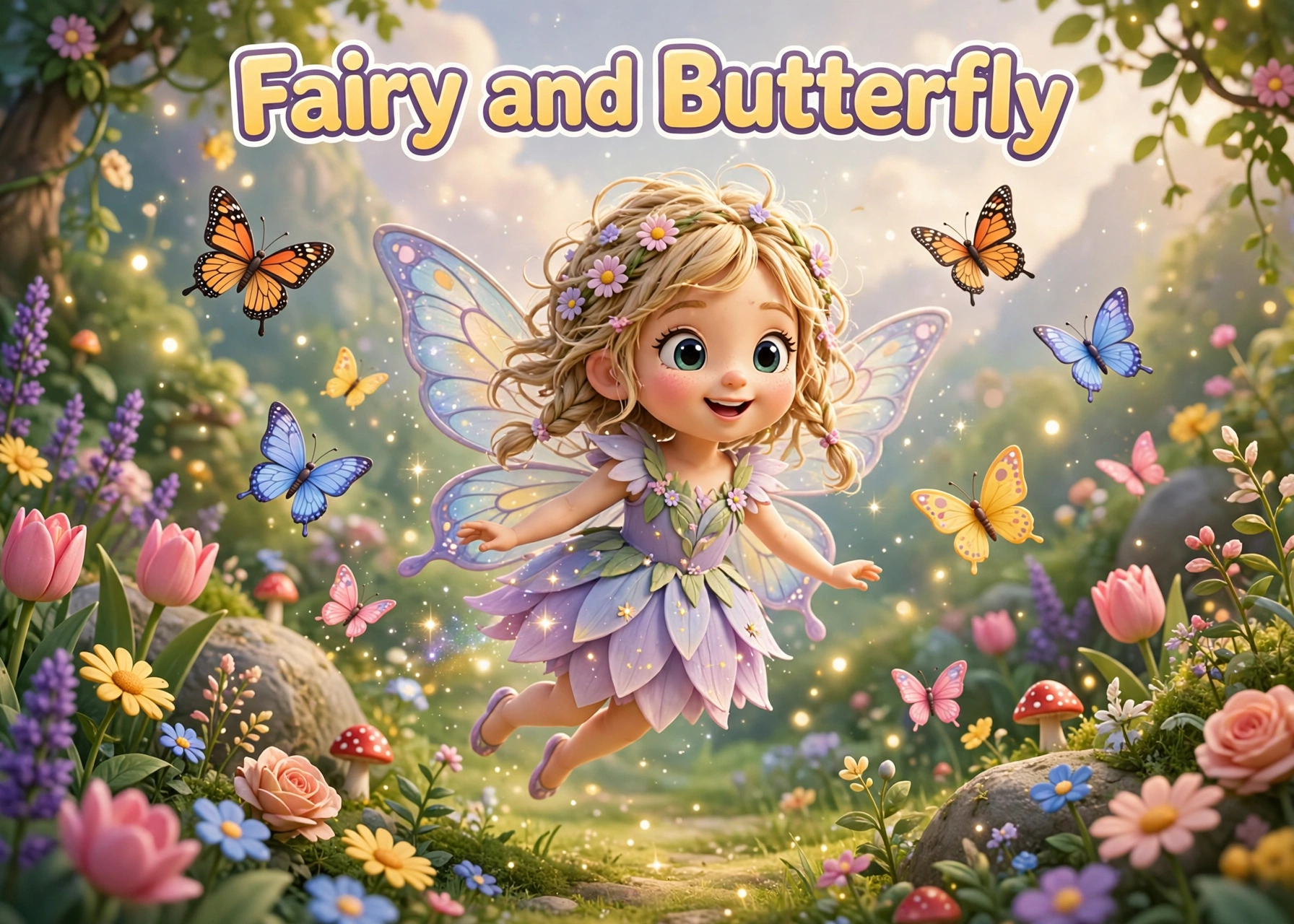
Fairy and Butterfly Coloring Pages invite children into an imaginary world where delicate wings, magical characters, and beautiful natural details come together. This enchanting theme offers a creative way to explore colors, imagine fairy-tale adventures, and enjoy a relaxing art activity at home or in the classroom.
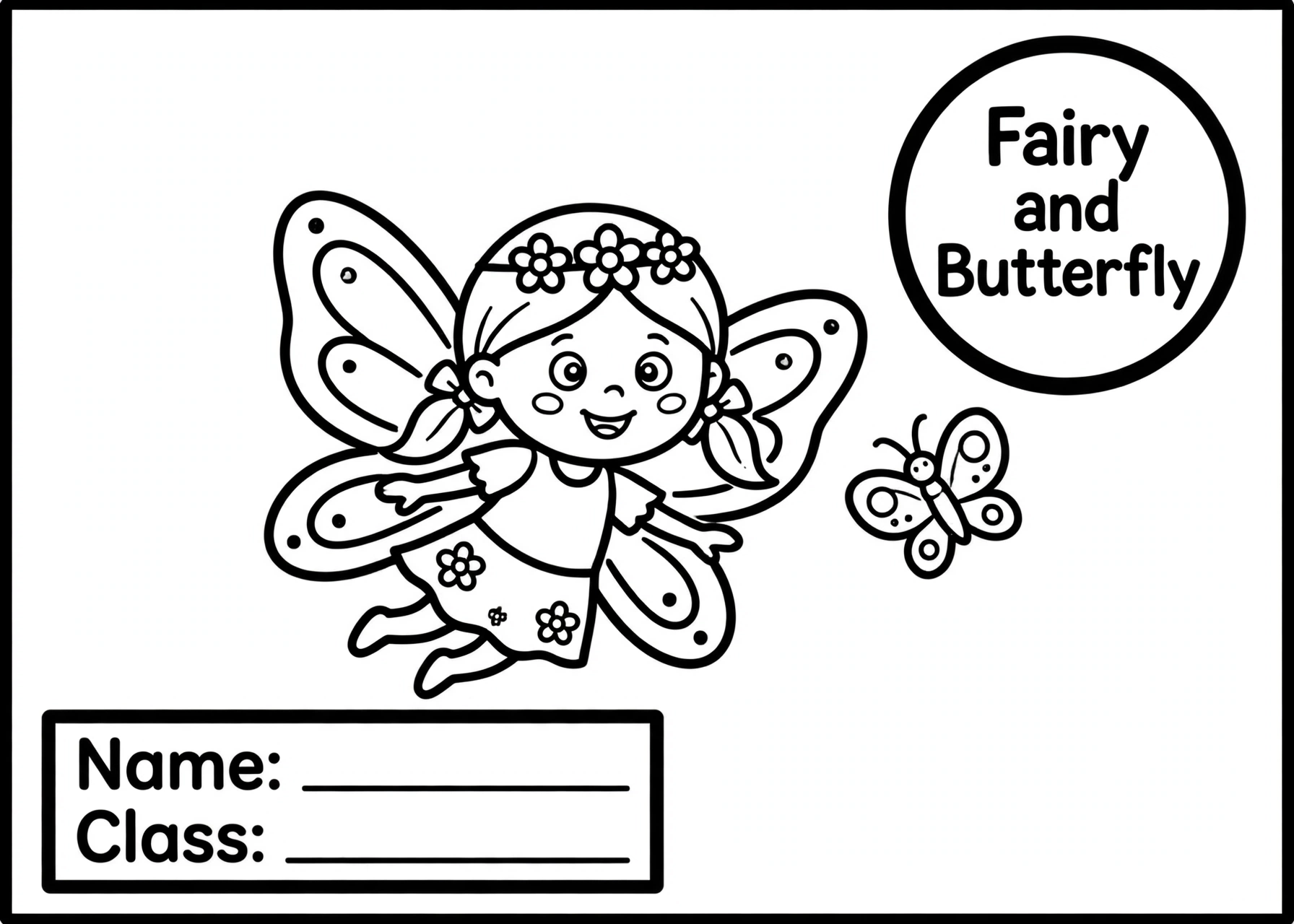
A Magical Meeting Between Fairies and Butterflies
Fairies and butterflies make a natural combination for an imaginative coloring theme. Both are often associated with delicate wings, flowers, gardens, and magical surroundings. Together, they create opportunities for children to picture a charming world where fantasy and nature exist side by side.
A fairy might be imagined sitting beside a flower, flying through a garden, or watching butterflies move between colorful plants. Butterflies, with their distinctive wing shapes and patterns, add another interesting element to the scene. Their symmetrical wings can feature spots, curved lines, circles, and other decorative details that children can color in countless ways.
What makes this subject particularly enjoyable is the contrast between the fairy’s fantasy-inspired appearance and the butterfly’s familiar place in nature. Children can choose realistic butterfly colors or invent unusual combinations for a magical setting. The fairy can have pastel clothing, sparkling-looking wings, or bright accessories, depending on the style they want to create.
Rather than following one fixed color scheme, children can decide what kind of magical world they want to build. One picture might become a peaceful flower garden, while another could look like a colorful fantasy kingdom.
Explore Butterfly Wing Patterns and Color Combinations
Butterfly wings offer some of the most interesting areas to color in this theme. Many butterflies have patterns that appear similar on both sides of their bodies. This gives children an opportunity to experiment with matching colors and repeating designs.
A simple approach is to choose two or three main colors for each butterfly. For example, blue and purple can create a cool combination, while orange and yellow produce a warmer appearance. Children can use a darker shade around the outer edges and lighter colors toward the center to make the wings look more varied.
They can also create their own imaginary butterfly patterns. Small circles, colorful spots, stripes, and alternating sections can turn an ordinary butterfly into a unique fantasy creature. If the illustration includes several butterflies, each one can have a different design.
Parents and teachers can introduce a simple observation activity by showing children pictures of real butterflies. They can notice how wing patterns and colors vary between species. This provides inspiration without requiring children to reproduce every natural detail accurately.
Designing a Fairy’s Magical Appearance
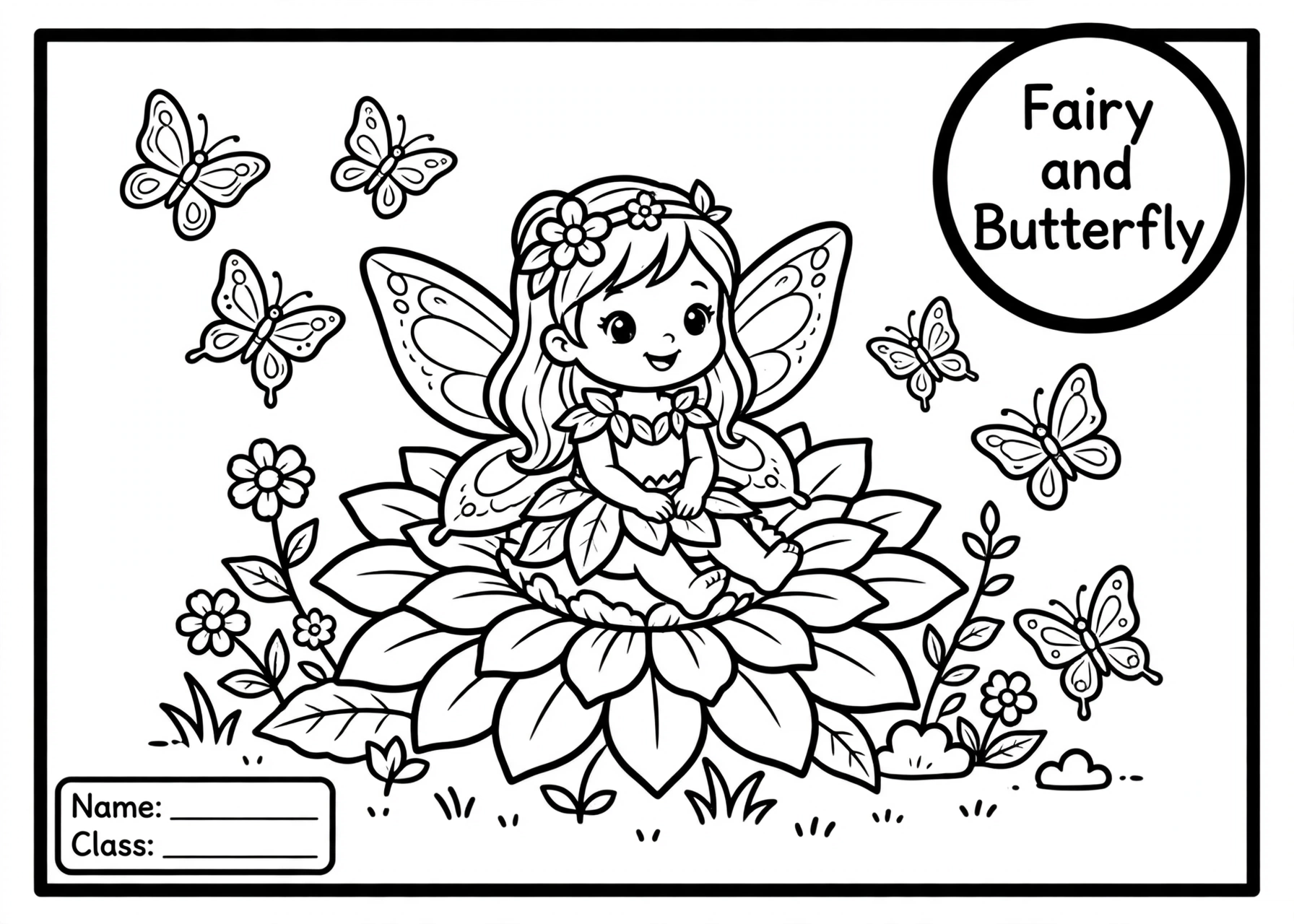
The fairy character provides a different kind of creative challenge. Unlike butterfly wings, which often feature repeating patterns, fairy clothing and accessories can be decorated according to personal preference.
Children might choose soft pink, lavender, turquoise, or pale blue for a fairy’s dress. Golden yellow or light brown can be used for decorative details, while green can connect the character with a garden-inspired setting. These colors are suggestions rather than rules, so children can experiment with brighter or more unusual combinations.
If the illustration includes fairy wings, they can be colored to complement the butterflies nearby. For instance, a fairy with purple wings might be surrounded by butterflies with lavender and blue patterns. Another child might prefer contrasting colors to make the main character stand out.
Small details deserve attention too. Shoes, flower accessories, hair decorations, and other visible features can introduce additional colors. Children can even invent a name for their fairy and imagine what special role she has in the garden.
Create a Fantasy Garden Around the Characters
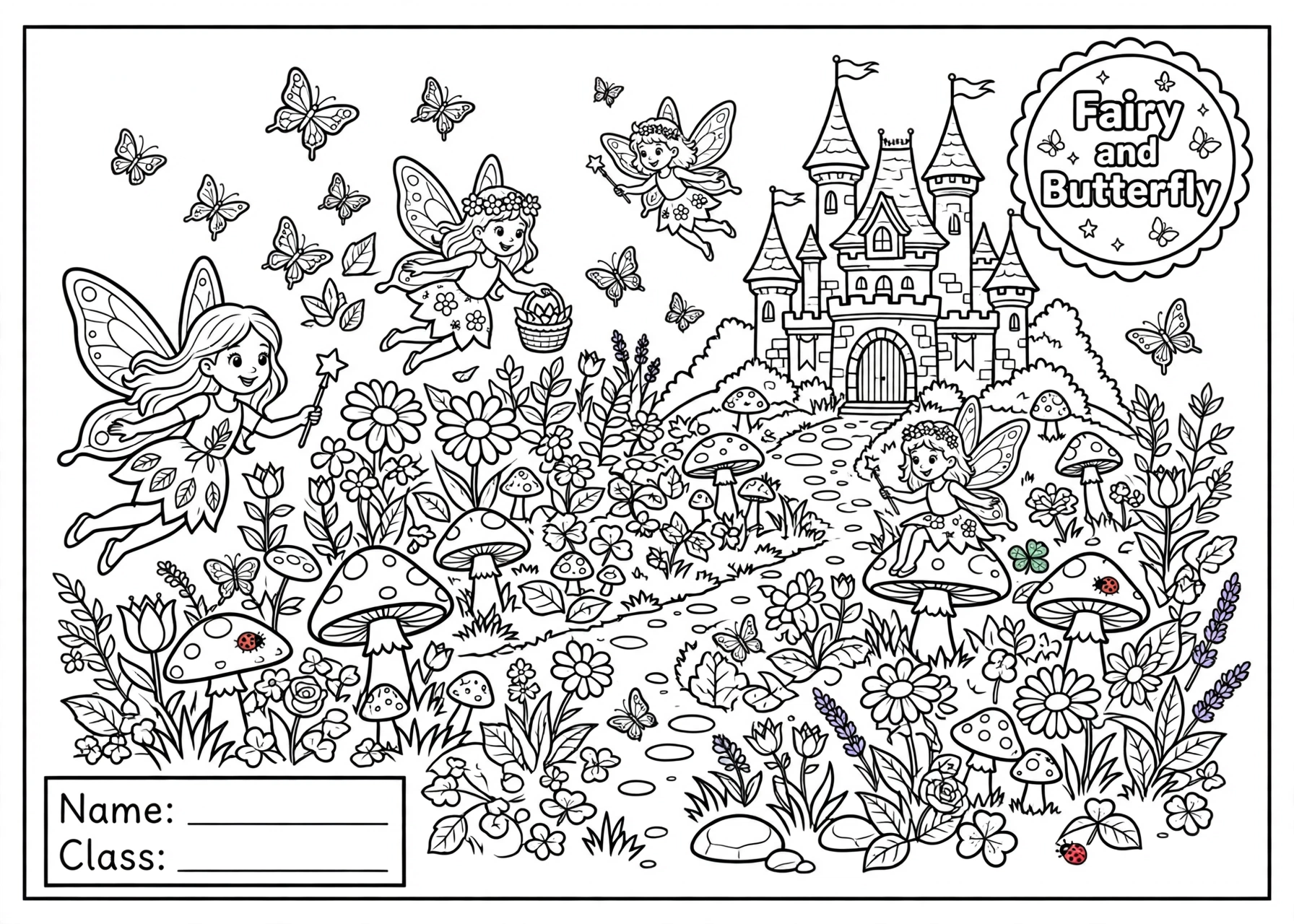
The setting can completely change the atmosphere of a fairy and butterfly illustration. A garden filled with flowers creates a cheerful natural environment, while a background with soft clouds and stars can make the scene feel more like a fairy tale.
If there is enough open space in the printable, children can add optional details such as:
- Flowers: Use pink, yellow, purple, and red petals with green leaves.
- Garden plants: Combine light and dark green to create different shades of foliage.
- Mushrooms: Try red caps with white spots or invent colorful fantasy varieties.
- Clouds: Leave them white or add very light blue shading.
- Magical accents: Add small stars, sparkling shapes, or colorful dots around the fairy.
These additions can be drawn on a separate sheet if the original illustration has limited space. Children do not need to fill every empty area, either. Leaving some parts of the background simple can help the fairy and butterflies remain the main focus.
One enjoyable challenge is to create a color theme for the entire garden. A spring-inspired setting might use fresh green, yellow, and pink, while an imaginary twilight garden could feature purple, dark blue, and soft lavender.
Simple Coloring Techniques for Delicate Details
Because fairy and butterfly illustrations may contain both large areas and intricate patterns, choosing appropriate coloring materials can make the activity easier.
Colored pencils are especially useful for butterfly wings, small decorative shapes, and fairy accessories. They allow children to work carefully around narrow outlines and combine different shades within one area. Crayons are suitable for larger spaces, such as dresses, flower petals, and backgrounds.
Washable markers can provide strong, bright colors, particularly for butterflies that children want to make visually striking. However, thicker paper may be preferable when using markers to reduce the possibility of ink showing through.
Children can also try a simple blending technique with colored pencils. They can start with a light shade and gradually add a darker tone near the edges of a wing or flower petal. This creates variation without requiring complicated drawing skills.
For younger children, keeping the coloring process simple may be more enjoyable. They can focus on choosing colors and filling larger spaces before attempting smaller patterns. Older children may prefer to spend more time decorating individual butterfly wings.
Extend the Activity with Imaginative Storytelling
A completed fairy and butterfly picture can become the starting point for a short story. Parents can invite children to imagine where the fairy lives, why the butterflies visit her garden, and what adventures might happen among the flowers.
For example, a child might create a story about a fairy who looks after a garden where butterflies gather every morning. Another might imagine a butterfly carrying a tiny message to a fairy living beneath a large flower. These stories can be spoken aloud or written in a few sentences beside the finished artwork.
Teachers can use the same idea during a creative classroom session. Children can share their pictures and describe the colors, characters, and settings they invented. Each illustration can represent a different imaginary world, even when the children begin with a similar theme.
For an additional craft, children can draw their own butterfly on separate paper, decorate its wings, and place it beside the completed illustration. An adult can help cut out the drawing if scissors are needed.
Discover More Nature and Animal Adventures
Children who enjoy fairy gardens and outdoor fantasy scenes may also like exploring other nature-inspired activities. A family camping adventure in nature offers a different setting filled with opportunities to imagine outdoor experiences. Children can explore ideas about tents, trees, and spending time together in natural surroundings.
For another animal-themed activity, owl illustrations introduce a fascinating bird with large eyes, distinctive feathers, and recognizable features. Children can experiment with earthy browns and grays or create colorful fantasy owls of their own.
Moving between magical gardens, outdoor adventures, and animal subjects provides variety during family or classroom coloring sessions. Children can select themes based on their interests and enjoy different kinds of creative scenes.
Preparing a Comfortable Coloring Session
Before printing, parents and teachers can check the print preview to ensure that the illustration fits properly on the page and that important details are not cut off by the margins. The choice of paper can depend on the coloring materials being used, particularly when children prefer markers.
Arrange the coloring supplies within easy reach and provide a comfortable space where children can work without rushing. They can begin with the fairy, move on to the butterflies, and finish with the surrounding flowers or background.
Once the artwork is complete, display it on a classroom board, include it in a collection of children’s drawings, or keep it in a creative activity folder. Children can also explain the story behind their picture and point out their favorite butterfly patterns.
Fairy and Butterfly Coloring Pages combine the beauty of nature with the freedom of fantasy. From decorating delicate wings to inventing magical gardens and characters, children can turn a simple coloring activity into a colorful world shaped entirely by their imagination.
