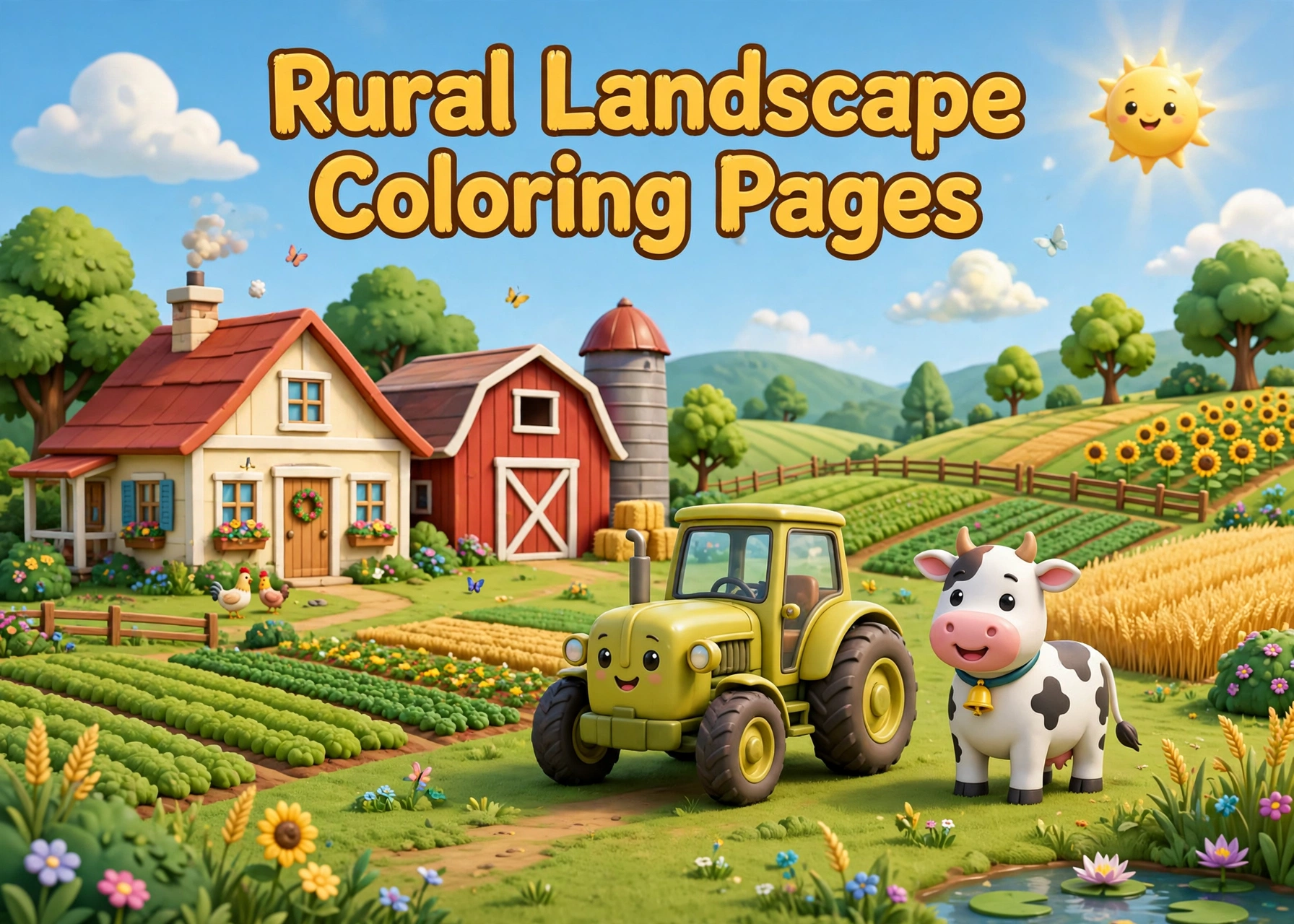
Rural Landscape Coloring Pages bring the peaceful beauty of the countryside to life through creative coloring activities. Children can explore open fields, quiet surroundings, and charming rural scenery while choosing colors that reflect their imagination. These printable activities offer an enjoyable way to discover landscapes and appreciate the simple details of life outside busy towns and cities.
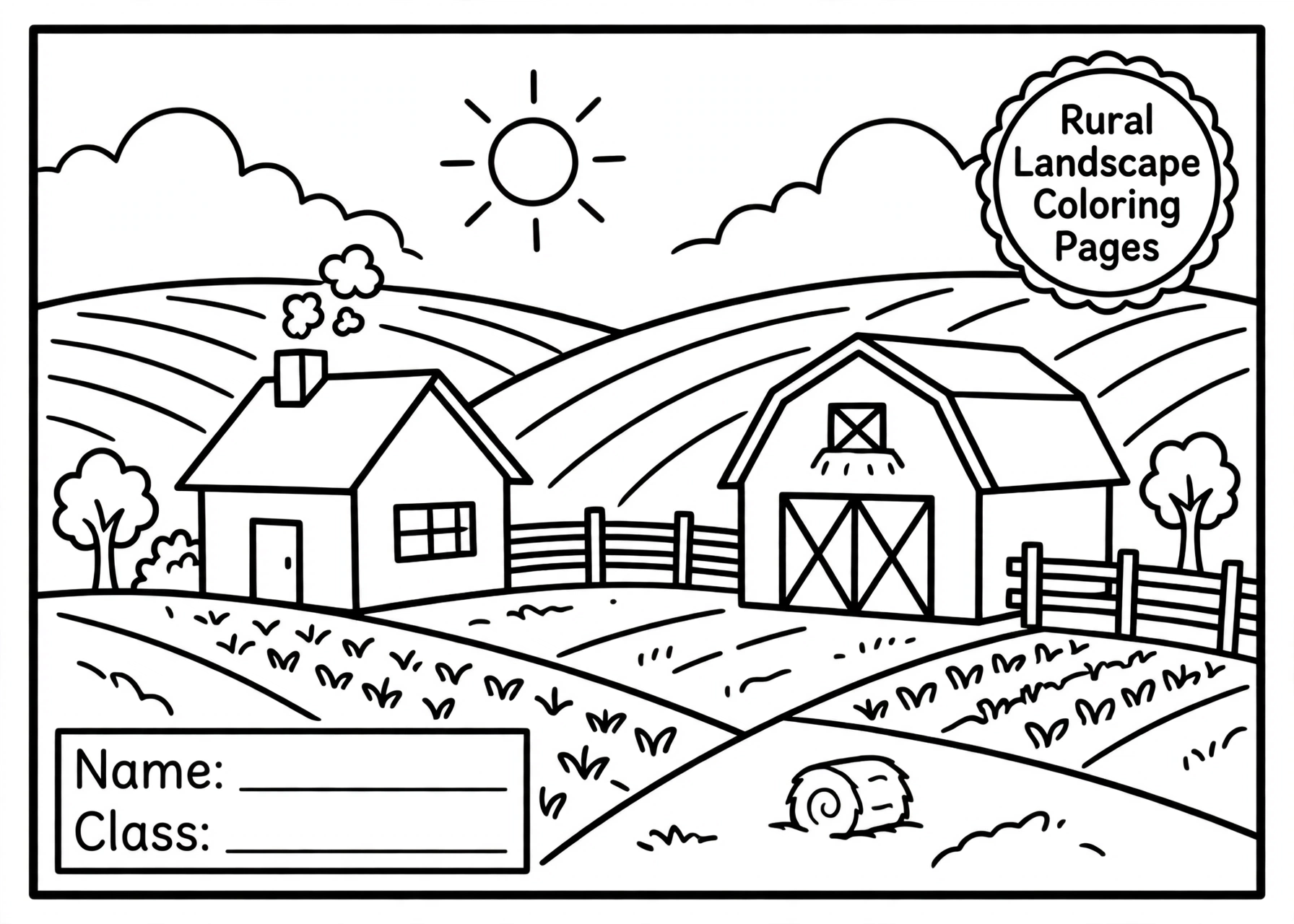
Discover the Charm of Rural Landscape Coloring Pages
A rural landscape has a special atmosphere that makes it interesting to explore through art. Unlike busy city scenes filled with tall buildings, traffic, and crowded streets, countryside scenery often features open spaces, natural surroundings, and a slower pace of life. This contrast gives children plenty of opportunities to experiment with different colors and imagine what it would feel like to spend a day in a quiet rural area.
Rural Landscape Coloring Pages can introduce children to the visual elements commonly associated with countryside environments. Fields, trees, hills, dirt roads, and open skies are examples of features that may inspire different coloring ideas. Each element offers a chance to experiment with shades and combinations rather than relying on a single color for the entire picture.
The countryside also provides an interesting setting for storytelling. A simple landscape can become the beginning of an imaginary journey, such as walking along a country road, visiting a farm, or watching the sunset over distant hills. Parents and teachers can encourage children to describe the places they imagine while working on their pictures.
What Makes Countryside Scenery Interesting to Color?
One of the most enjoyable aspects of rural scenery is the variety of natural colors found in a single environment. Green fields, brown pathways, blue skies, and distant mountains can create a balanced picture. Children can follow familiar colors or invent their own combinations to give the landscape a distinctive appearance.
Different parts of a rural scene can also be approached individually. For example, the sky might be colored with light blue and soft orange to represent early morning or evening. Trees can have several shades of green, while hills in the distance can be lighter than those in the foreground. These choices help create a sense of depth without requiring complicated coloring techniques.
Another interesting feature is the opportunity to explore changing seasons. Although the actual printable design determines which details are available, children can use their imagination to picture the same countryside during different times of the year. A green field might represent spring or summer, while golden leaves and warmer shades could suggest autumn.
Creative Ways to Color a Rural Landscape
Children do not need advanced artistic skills to enjoy a countryside coloring activity. Starting with larger areas before moving to smaller details can make the process easier and more organized. Parents can also suggest a few color combinations without requiring children to follow strict rules.
Here are some practical ideas for making the activity more engaging:
- Create a natural sky: Use light blue for a clear day, or combine yellow, pink, and orange for a colorful sunset.
- Experiment with green shades: Mix light and dark green to give fields, bushes, and trees more visual variety.
- Add texture to the ground: Brown, beige, and earthy colors can represent soil, pathways, and grassy areas.
- Give distant scenery a softer appearance: Use lighter shades for hills or mountains that appear farther away.
- Try an imaginative color scheme: Purple hills, unusual trees, or a pink sky can turn an ordinary landscape into a fantasy setting.
Colored pencils are useful for adding small details and gradually building up different shades. Crayons work well for filling larger spaces, while washable markers can provide stronger colors when used carefully. The best choice depends on the paper and the child’s preferred coloring style.
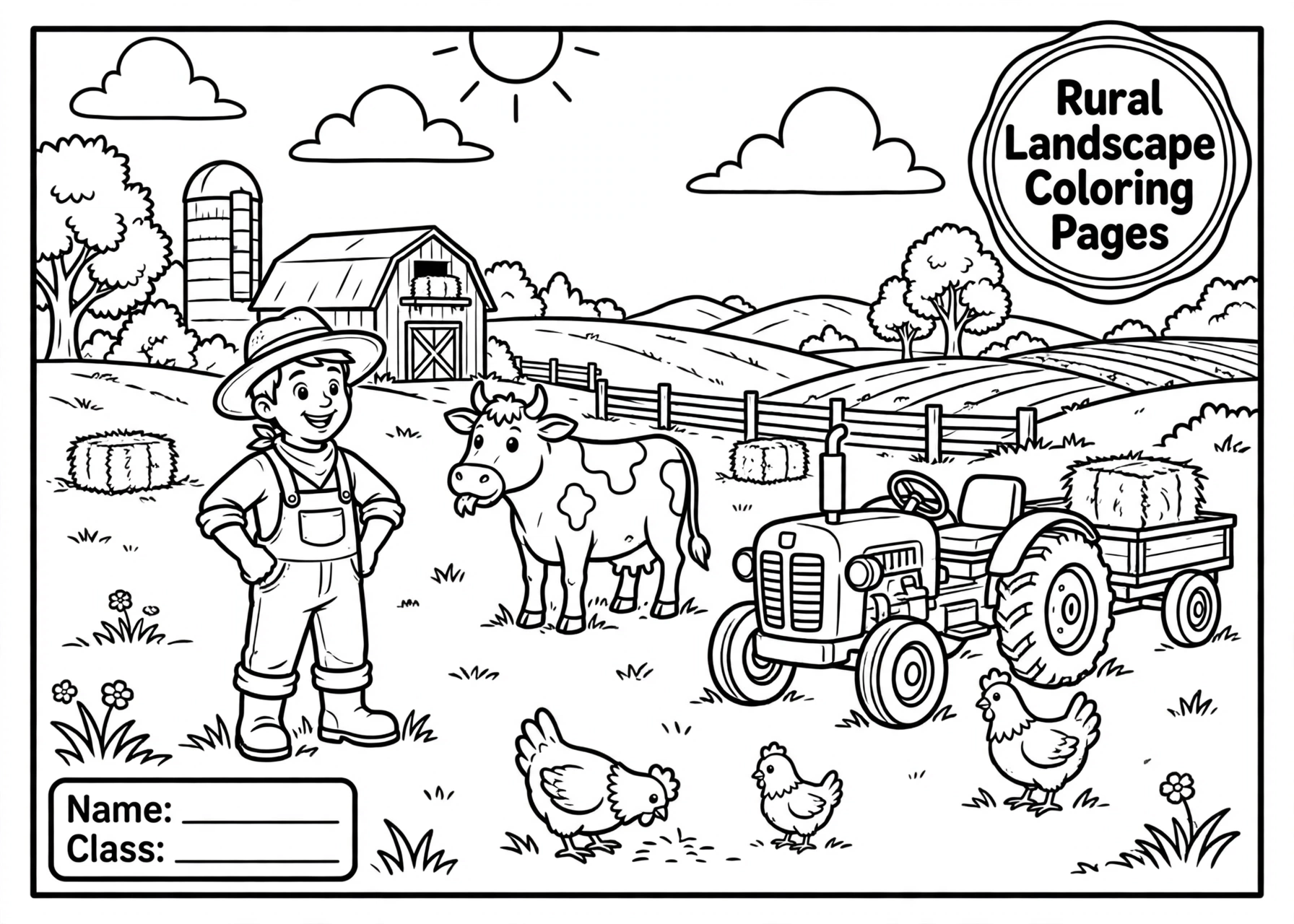
Turn a Simple Landscape into a Story
Coloring does not have to stop when every section of the picture has been filled. A rural landscape can inspire conversations about nature, outdoor activities, and everyday experiences in the countryside.
Parents can invite children to imagine what might happen in the illustrated setting. Perhaps someone is taking a walk, exploring a field, or visiting a nearby farm. Children can describe the weather, the time of day, and the sounds they might hear in that environment.
Teachers can also use the activity as a starting point for a short classroom discussion about the differences between rural and urban environments. Children might talk about open spaces, agricultural land, quiet roads, and the ways people use the surrounding landscape. These conversations can make the coloring session more meaningful without turning it into a formal lesson.
For children who enjoy combining nature with imaginative characters, Little Boy and Dinosaur offers another creative theme. It provides an opportunity to explore a different kind of setting through a playful combination of childhood imagination and prehistoric creatures.
Connect Rural Landscapes with Farm Life
Countryside scenery is often closely connected with agricultural activities. Farms, fields, gardens, and country roads are familiar parts of rural life in many communities. Exploring these subjects through coloring can help children become more familiar with the environments where food is grown and animals are cared for.
A landscape-themed activity can naturally lead to a discussion about how farmers use the land. Parents might explain that some fields are used for growing rice, vegetables, or other crops, while other areas provide space for livestock. The exact examples can be adapted to the child’s surroundings and experiences.
Children who are particularly interested in agricultural settings may also enjoy Countryside Farm. This related theme provides another way to explore rural environments, especially when children want to discover more about the relationship between farms and the countryside.
The two themes can also inspire a simple comparison activity. After coloring, children can describe what makes a general rural landscape different from a farm setting. They might focus on the presence of agricultural buildings, cultivated fields, or animals when discussing farm environments.
Make Coloring Time Enjoyable at Home and School
Rural Landscape Coloring Pages can fit into different everyday activities. At home, parents can introduce them during a quiet afternoon, a weekend creative session, or a break from screen-based entertainment. A comfortable table, suitable coloring materials, and enough space to work are usually all that children need to get started.
In a classroom, teachers can include landscape coloring as part of an art activity or a broader topic about geographical environments. Children can work individually and then share their finished pictures with classmates. Each student may choose different colors, creating several interpretations of a similar countryside theme.
For a more interactive session, adults can suggest a small creative challenge. Children might choose colors based on a particular time of day, imagine a season for the landscape, or give their finished artwork an original title. These simple additions provide a purpose for their color choices while allowing plenty of room for individual expression.
Before printing, check the available file’s print preview to make sure the illustration fits the intended page layout. Select paper that works with the chosen coloring materials, particularly if children prefer markers or other tools that may leave heavier marks. Following the file’s available download and printing instructions will also help avoid unnecessary formatting problems.
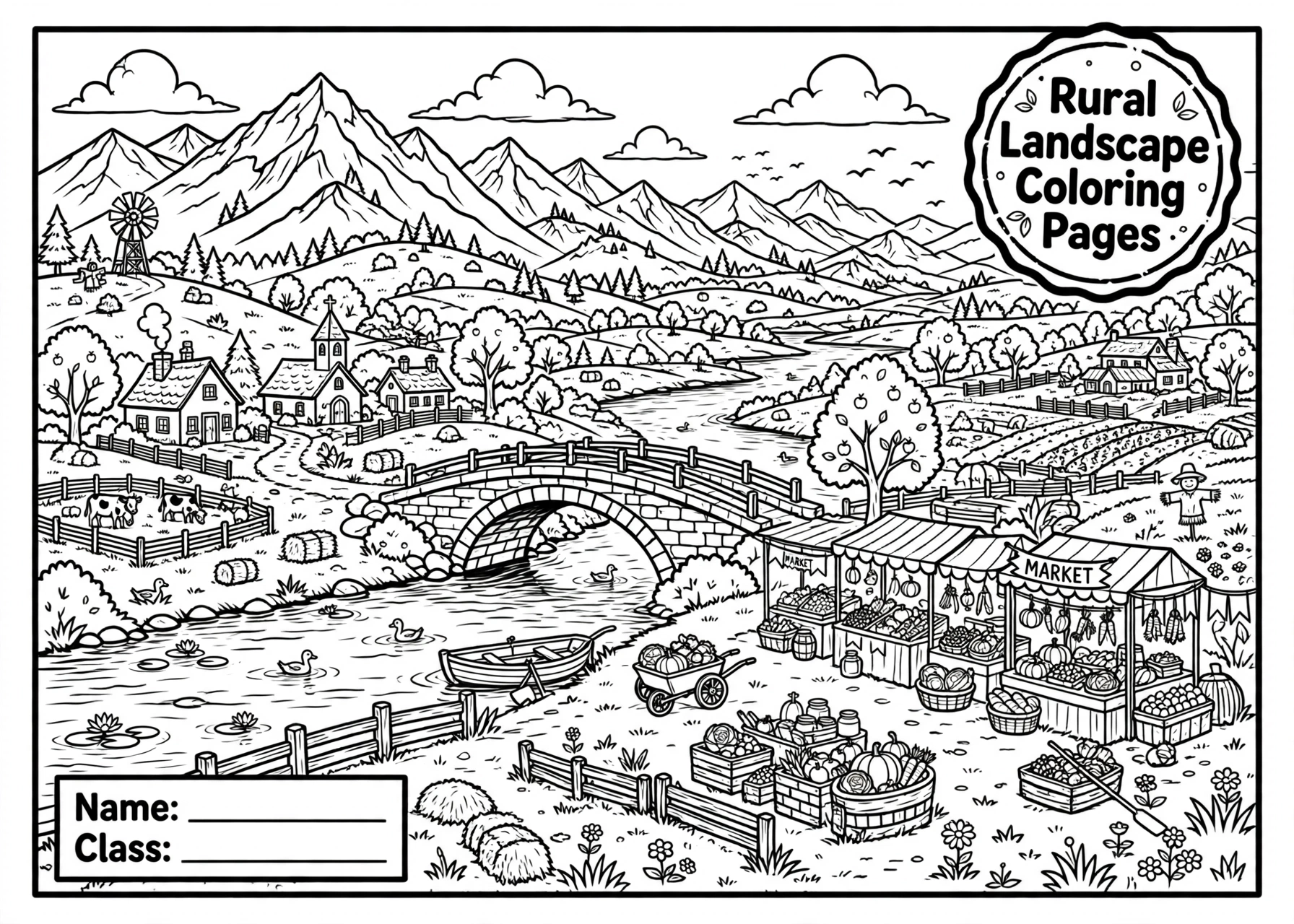
Let Children Explore Their Own Countryside Colors
There is no single correct way to represent a rural landscape. Some children may prefer realistic shades inspired by places they have visited, while others might create colorful imaginary scenery. Both approaches allow them to make personal choices and enjoy the process of completing an illustration.
Parents, caregivers, and teachers can support this experience by appreciating the details children notice and the ideas they express through their artwork. Instead of focusing only on whether the colors look realistic, encourage them to explain why they selected particular shades or what kind of countryside they imagined.
With open fields, natural surroundings, and plenty of possibilities for creative interpretation, Rural Landscape Coloring Pages provide a pleasant opportunity for children to enjoy art while discovering the visual character of rural life.
