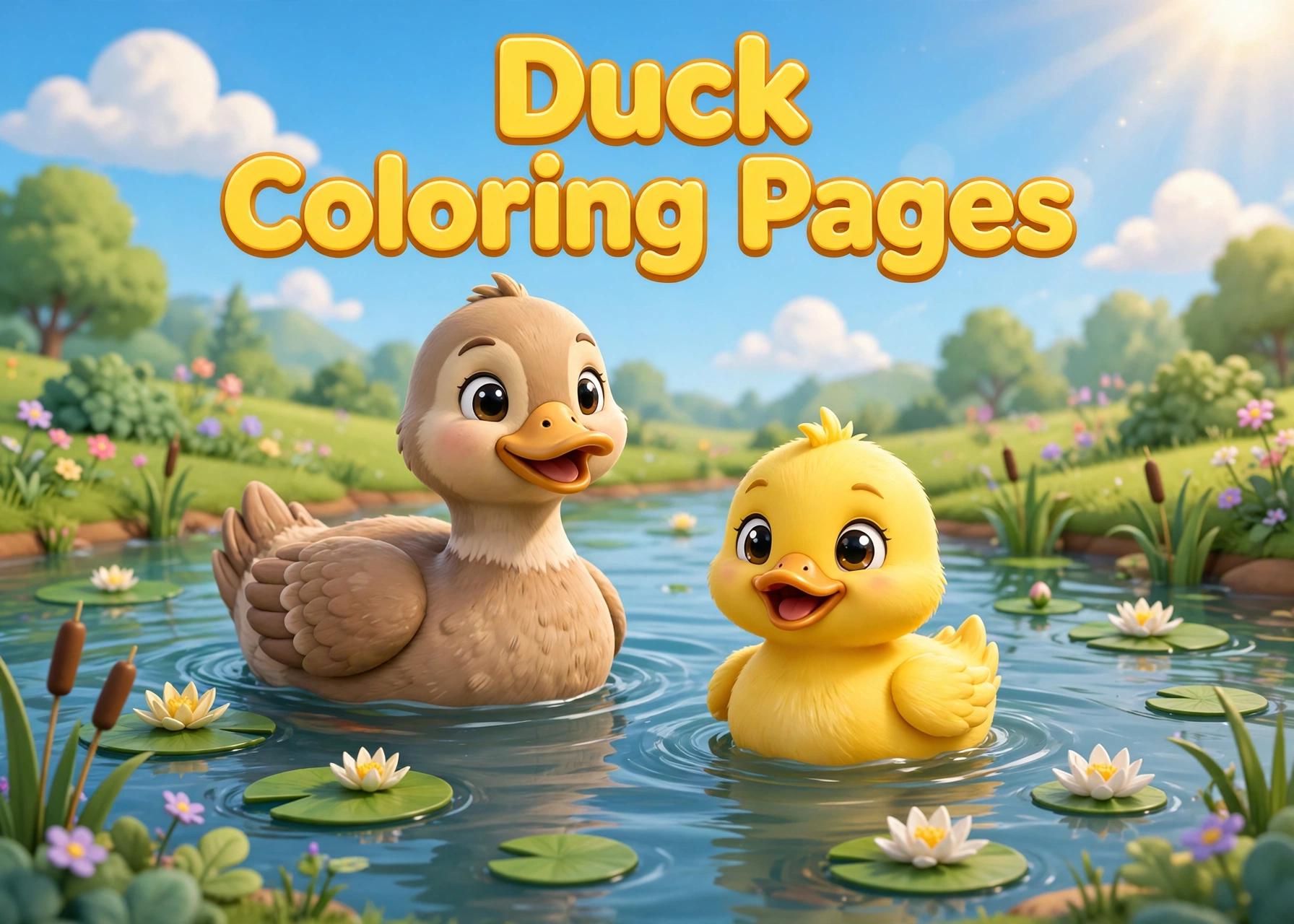
Duck Coloring Pages bring the cheerful world of ducks into children’s creative time, offering simple animal-themed designs that encourage imagination through color. With their rounded bodies, flat bills, webbed feet, and familiar waddling movements, ducks provide interesting details for young artists to explore. These printable activities can turn an ordinary afternoon into an enjoyable art session while introducing children to the appearance and everyday habits of these familiar birds.
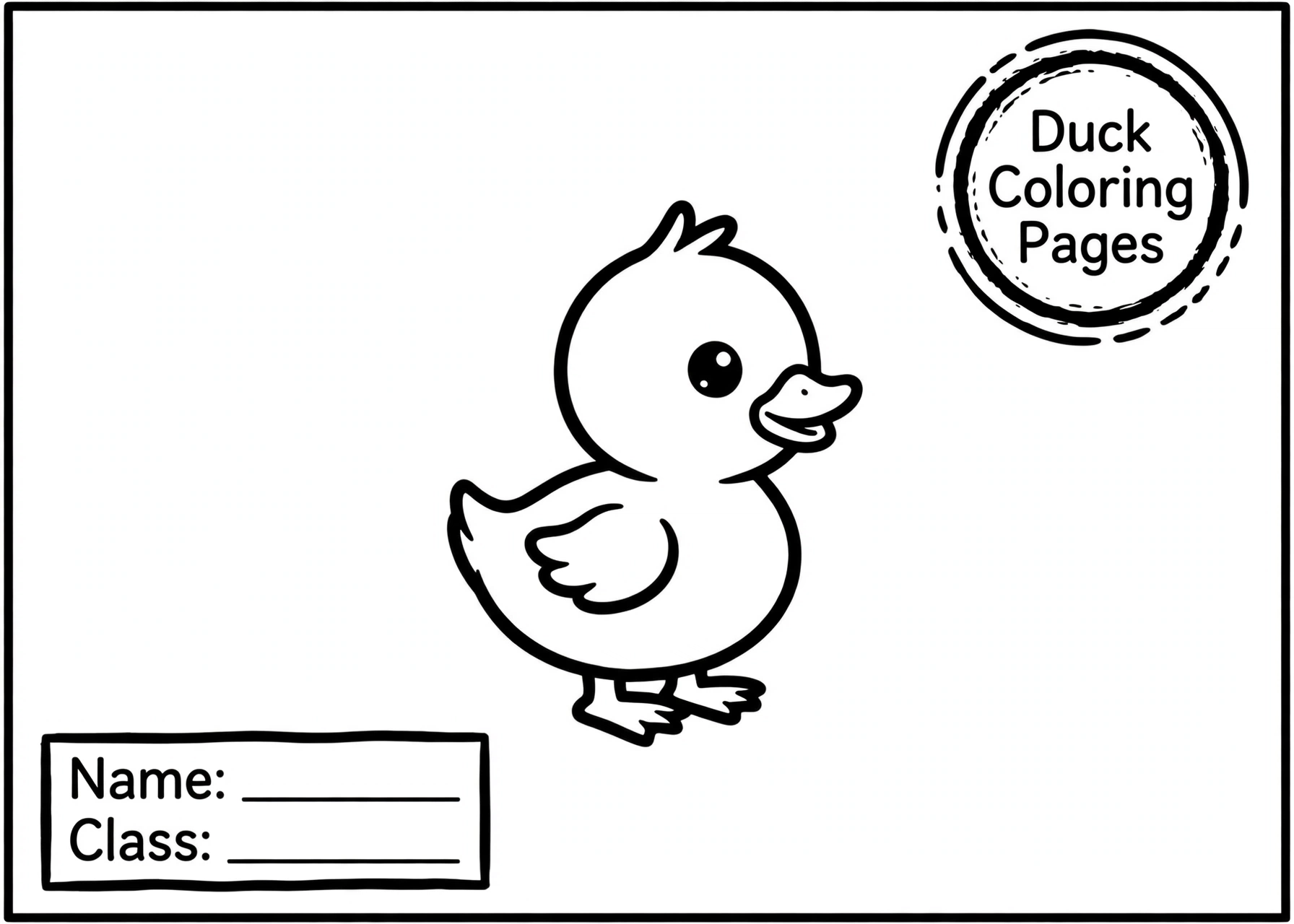
Discover the Charming Details of Ducks Through Coloring
Ducks have several distinctive physical features that make them enjoyable subjects for coloring. Their broad bills, short legs, webbed feet, and layered feathers give children different shapes and areas to work with. Even a simple duck illustration can offer opportunities to experiment with contrasting colors and small details. Children can choose realistic shades or create imaginative combinations that make their finished artwork unique.
One interesting feature to explore is the duck’s bill. Depending on the species, duck bills can have different shapes and colors, although many familiar domestic ducks have broad, flat bills. Children might color the bill orange, yellow, or another shade that matches their imagination. The feet can be colored similarly or given a contrasting tone to make them stand out.
Feathers also provide plenty of creative possibilities. White, brown, gray, and black are common colors found among different ducks, while some species have striking green, blue, or iridescent feather patterns. Children do not need to follow nature exactly when completing their pictures. A purple duck or a rainbow-colored duck can be just as enjoyable as a realistic interpretation.
Explore Different Ideas for Duck Coloring Pages
Duck illustrations can inspire several kinds of creative activities, depending on the design and the child’s interests. Some children prefer focusing on the bird itself, while others enjoy adding environmental details around the main subject. Choosing a coloring approach that matches the illustration helps keep the activity enjoyable without making it unnecessarily complicated.
Natural Duck Colors and Feather Patterns
For children who enjoy observing animals, realistic coloring is a good starting point. They can use yellow for a familiar duckling, white or brown for an adult domestic duck, and orange for the bill and feet. Older children may want to experiment with several shades to create the appearance of overlapping feathers. Light strokes with colored pencils can help suggest feather texture without making the picture look too busy.
Ducks in Their Natural Environment
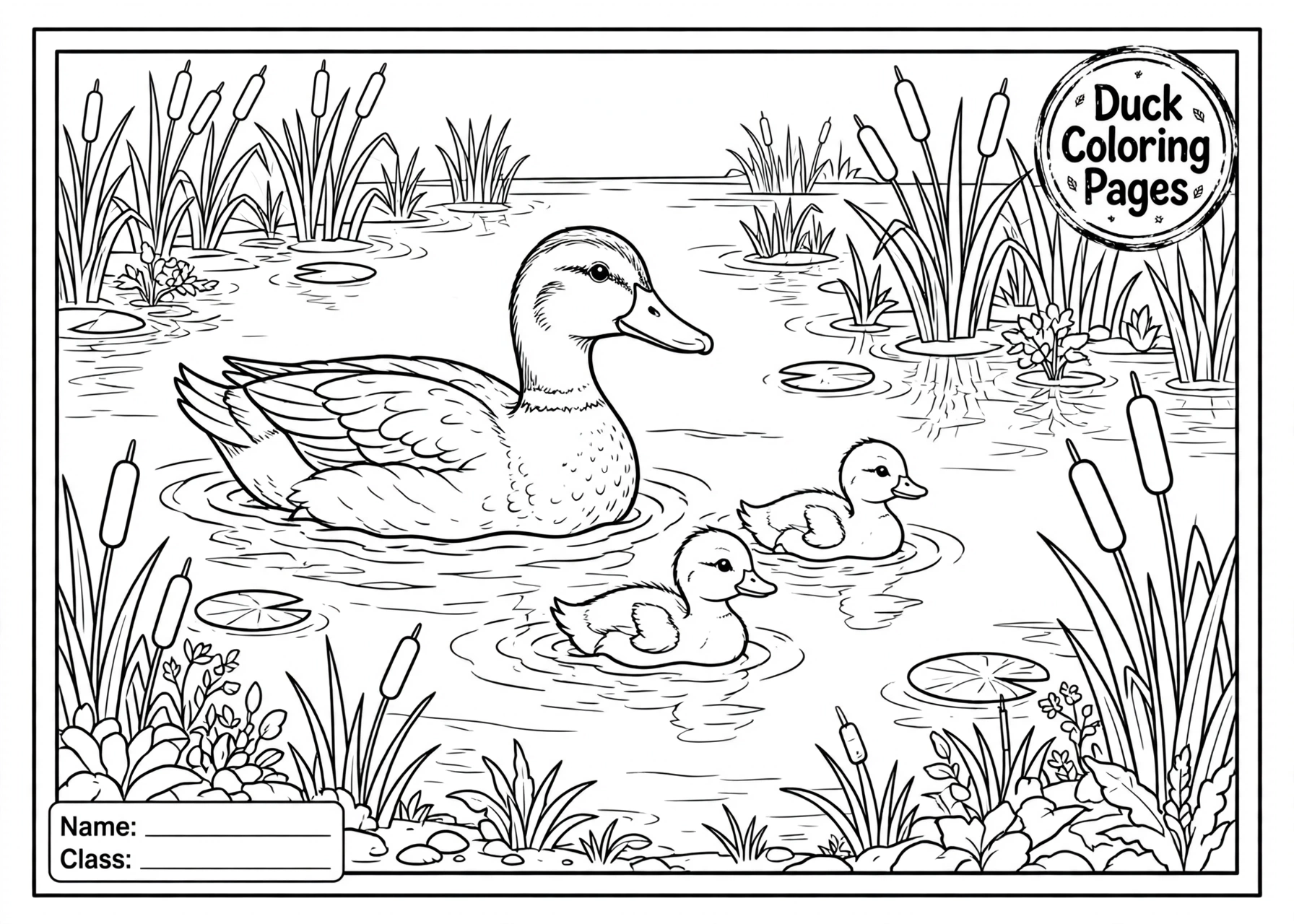
Water is closely associated with many duck species, making ponds, lakes, and wetlands natural settings for animal-themed artwork. If an illustration includes these surroundings, children can use blue or turquoise for the water, green for aquatic plants, and brown for nearby soil or branches. They might also imagine gentle ripples around the duck’s feet or reflections on the water’s surface. These additional details make the coloring experience more personal.
Ducklings and Family Scenes
Ducklings are especially recognizable because of their small bodies and soft-looking appearance. Their fluffy shape and bright yellow coloring make them appealing subjects for younger children. When a design includes several ducks together, children can give each bird a slightly different color pattern. They can also invent names or short stories about where the duck family is going.
Simple Coloring Techniques for a Neat Result
The best coloring approach depends on the illustration’s level of detail and the tools available at home or in the classroom. Crayons are practical for filling larger spaces, especially when younger children are still learning to control their coloring movements. Colored pencils are useful for adding gentle shading around the body, wings, and neck. Washable markers can create brighter areas, although children should use them carefully to avoid excessive pressure or ink marks on the paper.
A helpful technique is to begin with the largest areas before working on smaller details. Children can start with the duck’s body, continue with the wings and head, and finish with the bill and feet. If the illustration includes water or plants, those areas can be colored after the main animal. This simple order makes it easier to notice unfinished spaces and maintain a balanced appearance.
Coloring outside the outlines is a normal part of learning to use art materials. Rather than correcting every small mistake, parents and teachers can encourage children to continue and enjoy the process. For children who want a little more challenge, they can try combining two similar shades to make the wings or body look more dimensional.
Turn a Duck Coloring Activity into an Animal Discovery Session
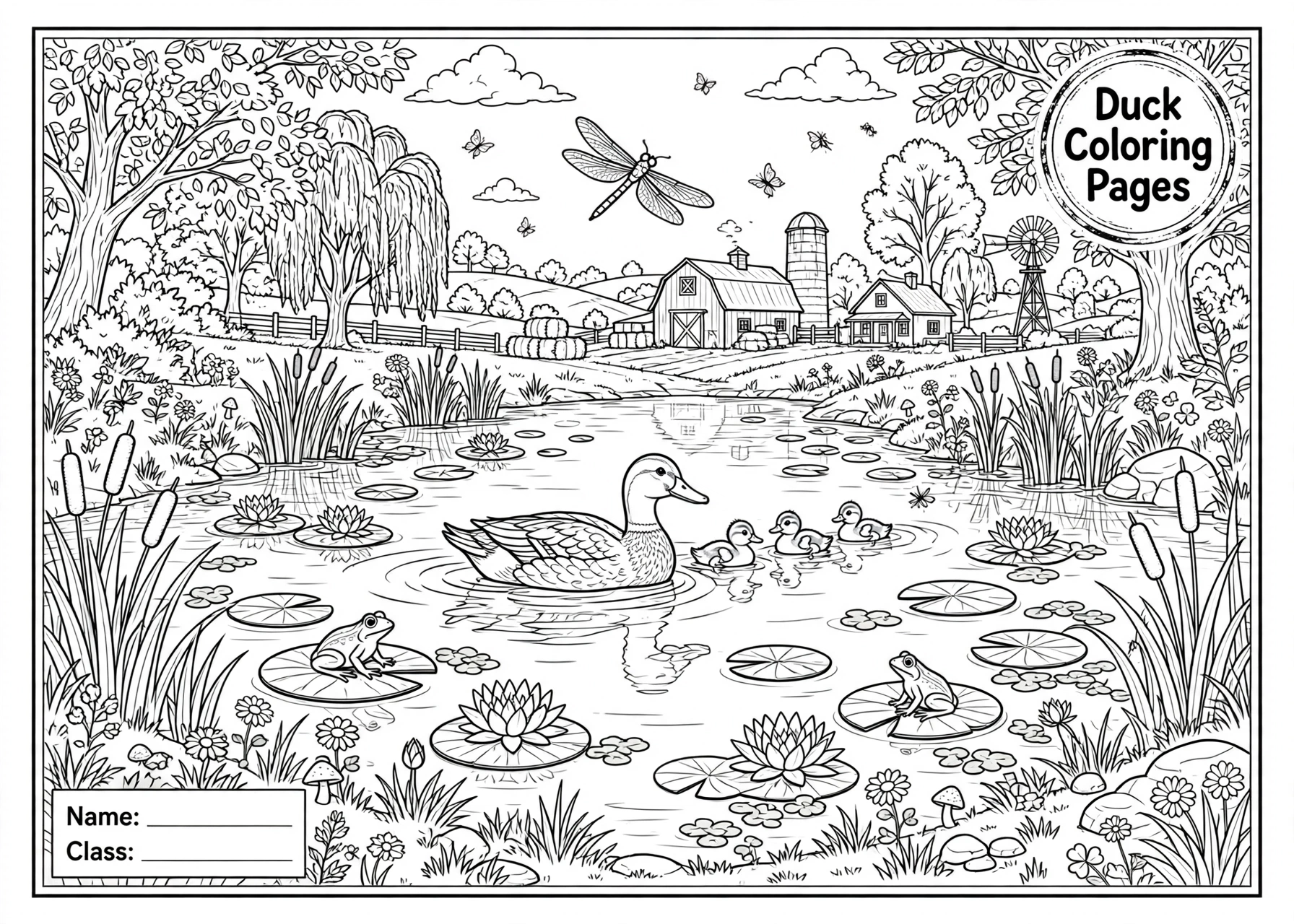
Coloring can also become a starting point for conversations about ducks and their surroundings. Parents can introduce simple facts while children work, such as explaining that ducks are waterbirds and that their webbed feet help them paddle. Children may also learn that not every duck has the same appearance, because different species have different feather colors, bill shapes, and habitats.
A short observation activity can make the experience more engaging. Children can look at pictures of real ducks and notice the differences between an adult duck and a duckling. They can compare the shape of the bill, the arrangement of the feathers, and the colors around the head and wings. Afterward, they can decide which details they would like to include in their own artwork.
Animal-themed activities can also be combined with other familiar subjects. For example, children who enjoy birds and wildlife may like exploring a <a href=”https://zestfulkids.com/cat-sleeping-coloring-page/“>sleeping cat</a> illustration as another opportunity to observe animal shapes and distinctive features. Comparing two different animals can inspire conversations about how their bodies, movements, and daily habits differ.
Creative Ways to Use Finished Duck Artwork
Once the coloring is complete, the finished picture does not have to remain an ordinary worksheet. Children can use their artwork as part of a homemade animal collection, a classroom display, or a small nature-themed project. Parents can help them write a short description beneath the picture, including the duck’s chosen name, favorite food, or imagined habitat. This creates a simple combination of drawing, coloring, and storytelling.
Teachers can also use duck illustrations during lessons about birds, ponds, and wetland environments. A coloring session can be followed by a discussion about why ducks spend time near water and how different animals share the same habitat. Children might describe what they would expect to see around a pond, such as reeds, fish, insects, and other waterbirds. The discussion can remain simple and appropriate to the children’s age group.
For children who enjoy imaginative characters, combining animal activities with other playful themes can provide fresh inspiration. A <a href=”https://zestfulkids.com/dinosaur-police-officer-coloring-pages/“>dinosaur police officer</a> activity, for instance, introduces a very different kind of animal-themed illustration and encourages children to invent stories beyond familiar wildlife settings.
Choosing and Printing Duck Coloring Pages
When selecting Duck Coloring Pages, consider the child’s comfort with the amount of detail in the illustration. Larger shapes and fewer small sections may be more convenient for beginners, while pictures with feather patterns, water plants, and surrounding scenery can offer additional coloring opportunities. The most suitable design is one that feels interesting without becoming frustrating to complete. Children should have enough room to experiment with colors and enjoy their own creative decisions.
Before printing, check the available file format and use the print preview to see how the illustration will appear on the page. Make sure the main subject and important details are visible within the printable area. Standard printer paper is generally suitable for crayons and colored pencils, while thicker paper may be preferable when children plan to use markers. Always check the printer’s paper compatibility before selecting a different paper weight.
Duck Coloring Pages are a lovely way to bring familiar wildlife into children’s creative routines. Whether they prefer a bright yellow duckling, a realistic adult duck, or an imaginative bird with unusual colors, each finished picture reflects their individual choices. Parents, teachers, and caregivers can make the activity even more enjoyable by adding simple animal observations, storytelling, or a small art display. With a few coloring tools and a little imagination, the humble duck becomes an inviting subject for creative exploration.
