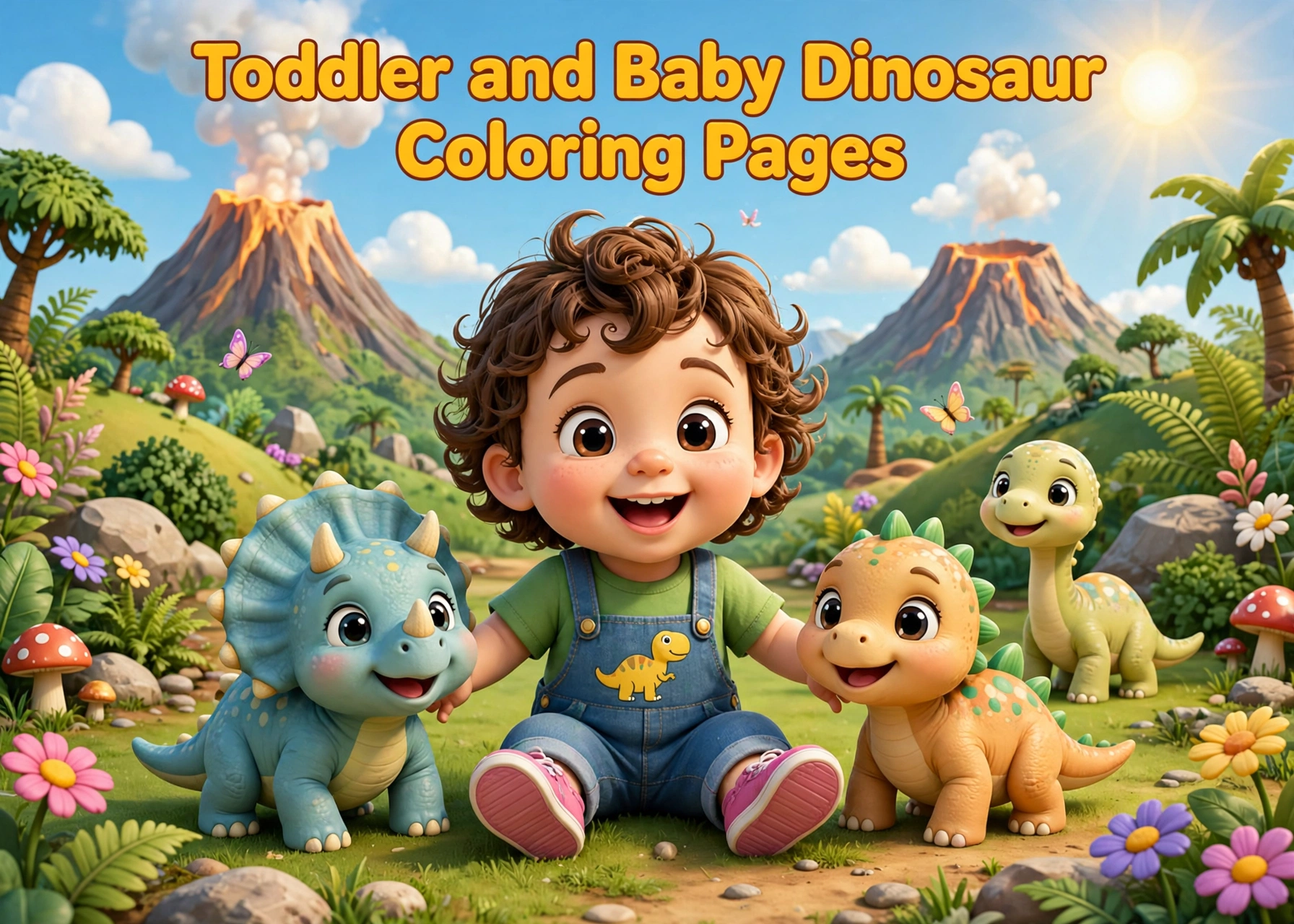
Toddler and Baby Dinosaur Coloring Pages introduce little artists to adorable prehistoric creatures through simple, playful coloring activities. With tiny arms, rounded bodies, big eyes, and friendly expressions, baby dinosaurs make an inviting subject for children who enjoy animals and imaginative characters. These printable activities offer an opportunity to explore different colors, recognize dinosaur shapes, and create cheerful artwork at home or in the classroom.
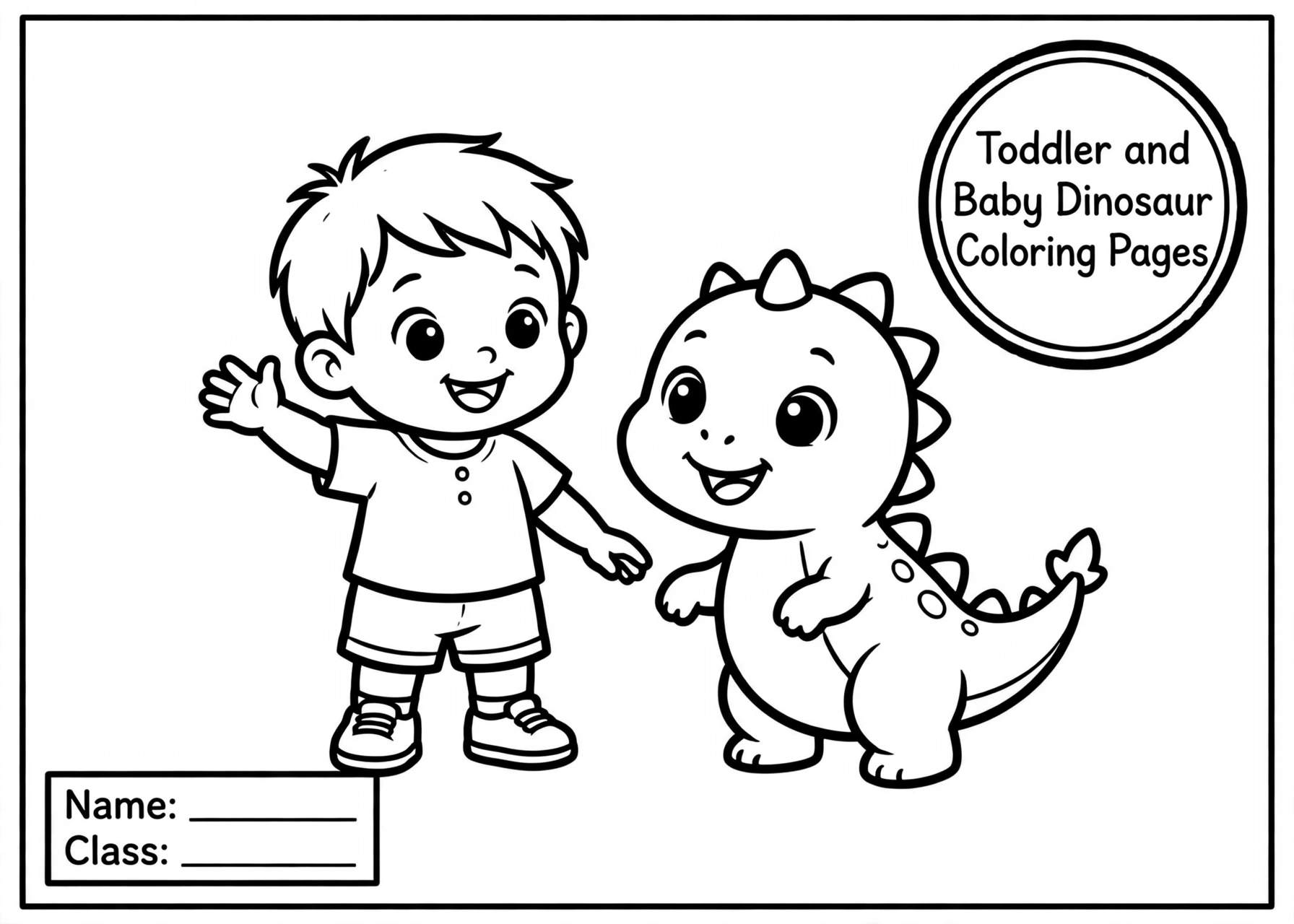
Why Baby Dinosaurs Make Such Appealing Coloring Subjects
Dinosaurs are fascinating creatures, but their enormous size and fierce appearance can sometimes seem intimidating to young children. Baby dinosaur illustrations offer a gentler way to explore the prehistoric world. Their smaller proportions, soft-looking features, and playful expressions can make these ancient animals feel more approachable and entertaining.
A baby dinosaur can be illustrated with a large head, a short tail, tiny legs, and a rounded body. Some familiar dinosaur types also have recognizable features that make them interesting to color. A baby Triceratops, for example, can have three facial horns and a distinctive frill around its head. A young Stegosaurus may feature small plates along its back, while a baby Tyrannosaurus rex can be recognized by its large head, short arms, and powerful legs.
These differences give children several visual details to explore. Rather than coloring every dinosaur in the same way, they can choose shades that reflect each creature’s appearance or invent completely new designs. A green dinosaur with orange spots or a purple dinosaur with blue plates can become a character of their own imagination.
Meet Different Baby Dinosaurs Through Their Features
Recognizing dinosaur shapes can become an enjoyable part of the coloring experience. Parents and teachers can introduce a few familiar dinosaur names while children examine the illustrations. Keeping the information simple makes it easier to connect the animal’s appearance with its name.
Triceratops with Its Three Little Horns
The Triceratops is recognizable because of its three horns and large bony frill. A baby version can look especially charming with a rounded face and small body. Children might color the frill in a contrasting shade to make this feature stand out. Soft green, yellow, brown, and pastel colors are all possible choices.
Stegosaurus with Plates Along Its Back
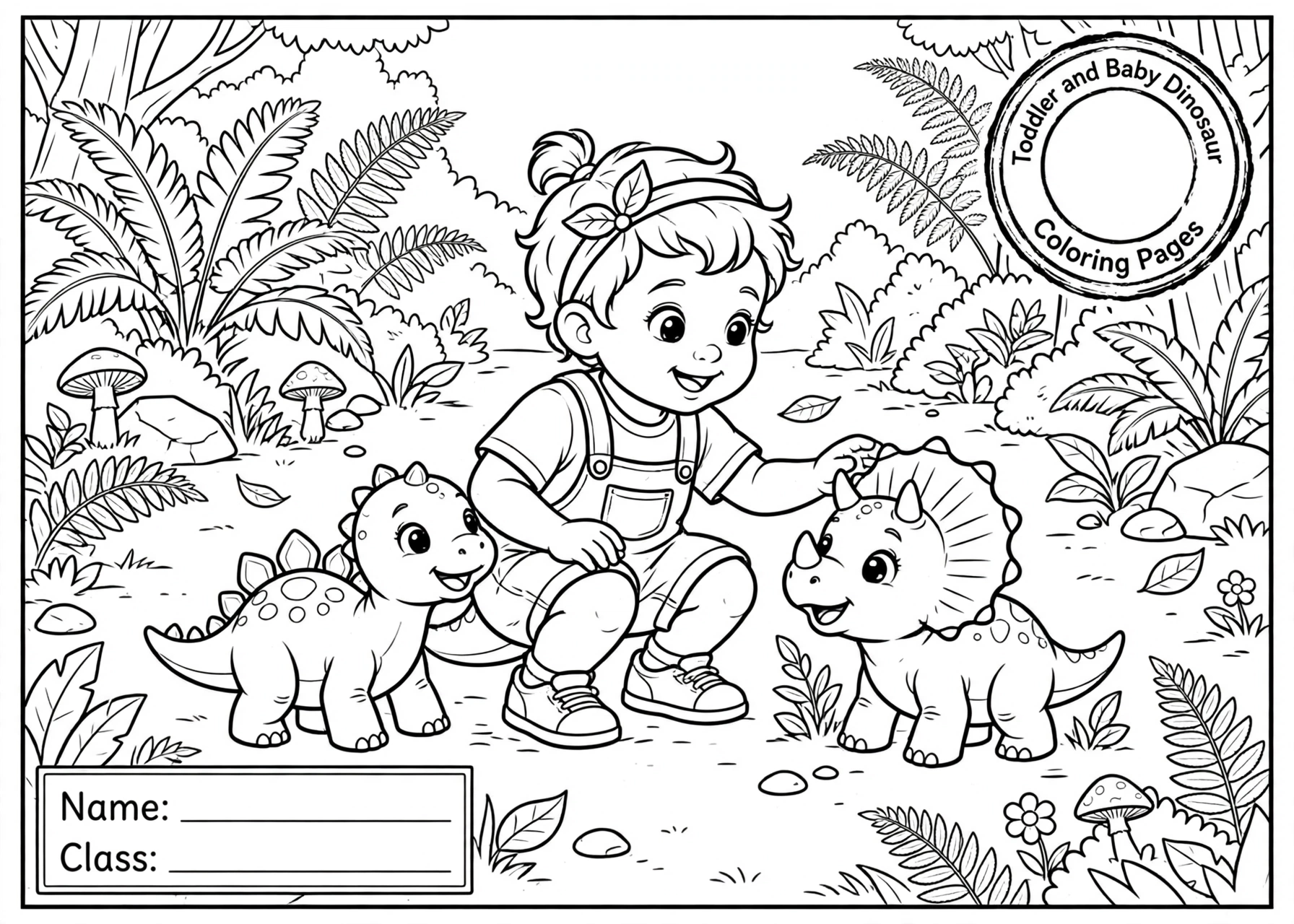
The Stegosaurus has two rows of large plates running along its back and a tail with spikes. These unusual shapes provide interesting sections for coloring. Children can give each plate a different color or create a repeating pattern using alternating shades. The body can be colored in a softer tone to make the plates more noticeable.
Baby Tyrannosaurus Rex
A baby Tyrannosaurus rex can be imagined as a playful little dinosaur with a large head, strong legs, and tiny arms. Its familiar shape makes it an interesting subject for children who enjoy dinosaur stories. Green, brown, orange, or even bright fantasy colors can bring the character to life.
Simple Coloring Ideas for Young Children
When preparing a coloring activity for toddlers, the choice of illustration matters. Designs with large open spaces and clear outlines are generally easier to approach than pictures filled with tiny patterns and complicated backgrounds. Children can begin with the dinosaur’s main body before moving to its smaller features, such as the eyes, mouth, claws, and tail.
Crayons are a practical choice for little hands because they are easy to hold and suitable for filling larger areas. Washable markers can also be used with adult supervision, particularly when children want stronger colors. Colored pencils may be introduced when a child is comfortable handling smaller coloring tools.
There is no need to insist that dinosaurs must look scientifically accurate. Children can choose their favorite colors and experiment with unusual combinations. A simple coloring challenge could involve giving each dinosaur a different body color, adding colorful spots, or creating stripes along its tail.
Parents can also encourage children to identify the different parts of the dinosaur before coloring them. They might point to the head, body, legs, tail, and back plates. This keeps the activity connected to the illustration without turning a relaxed art session into a formal lesson.
Create a Little Prehistoric World Around the Dinosaurs
Baby dinosaurs become even more interesting when children imagine the environments where they might live. A prehistoric landscape could include leafy plants, ferns, rocky hills, tall trees, and open ground. If the illustration has enough surrounding space, children can add some of these details themselves.
Green is a natural starting point for prehistoric plants, but different shades can make the scenery more varied. Dark green can represent large leaves, while lighter shades can be used for smaller plants. Brown and gray work well for rocks and soil, and blue can represent the sky or a distant lake.
Another idea is to imagine a baby dinosaur exploring its surroundings for the first time. Children can give the character a name and describe what it might discover. Perhaps it finds a large leaf, meets another dinosaur, or follows a trail through the forest. These simple stories allow the finished picture to become part of a larger imaginative adventure.
For children who enjoy exploring subjects beyond prehistoric animals, a visit to a different theme can provide a fresh creative direction. For example, <a href=”https://zestfulkids.com/vehicles-in-a-transportation-museum-coloring-pages/“>vehicles in a transportation museum</a> introduce a collection of interesting shapes and mechanical details that contrast with the natural forms of dinosaurs.
Making Dinosaur Coloring Time Enjoyable for Toddlers
Young children often approach coloring differently from older artists. They may move quickly between colors, focus on one favorite section, or leave some spaces unfinished. This is perfectly fine. The main purpose is to let them explore the picture at a comfortable pace rather than expecting a perfectly completed result.
A short coloring session can be more enjoyable than asking toddlers to finish an entire illustration at once. Parents and caregivers can place a few crayons within reach and allow children to select their preferred colors. Offering two or three choices at a time may help keep the activity manageable without limiting their creativity.
It can also be useful to sit beside the child and color a separate picture together. Adults can demonstrate how to fill a larger area with gentle strokes or how to change colors between different dinosaur features. However, children should still be free to make their own decisions about the final appearance.
When using printed activities, choose paper that works with the coloring materials available. Ordinary printer paper is generally suitable for crayons and colored pencils. If markers are being used, thicker paper may help reduce ink transfer, depending on the marker type. Keep small art supplies away from very young children who may put objects in their mouths, and supervise the activity throughout.
Combine Dinosaur Art with Other Creative Interests
Dinosaur enthusiasts often enjoy discovering other subjects that involve movement, adventure, and imaginative characters. After coloring a baby dinosaur, children might like switching to a completely different theme, such as a cartoon motorcycle. Exploring <a href=”https://zestfulkids.com/cartoon-motorcycle-coloring-pages/“>cartoon motorcycles</a> gives them an opportunity to work with rounded wheels, handlebars, and other recognizable vehicle parts.
At home, parents can create a small collection of finished pictures featuring animals, dinosaurs, and vehicles. In a classroom, these illustrations can become part of a rotating art display where children share their favorite designs. Each picture can be accompanied by a short name or a sentence describing the character.
Choosing and Printing the Right Dinosaur Illustration
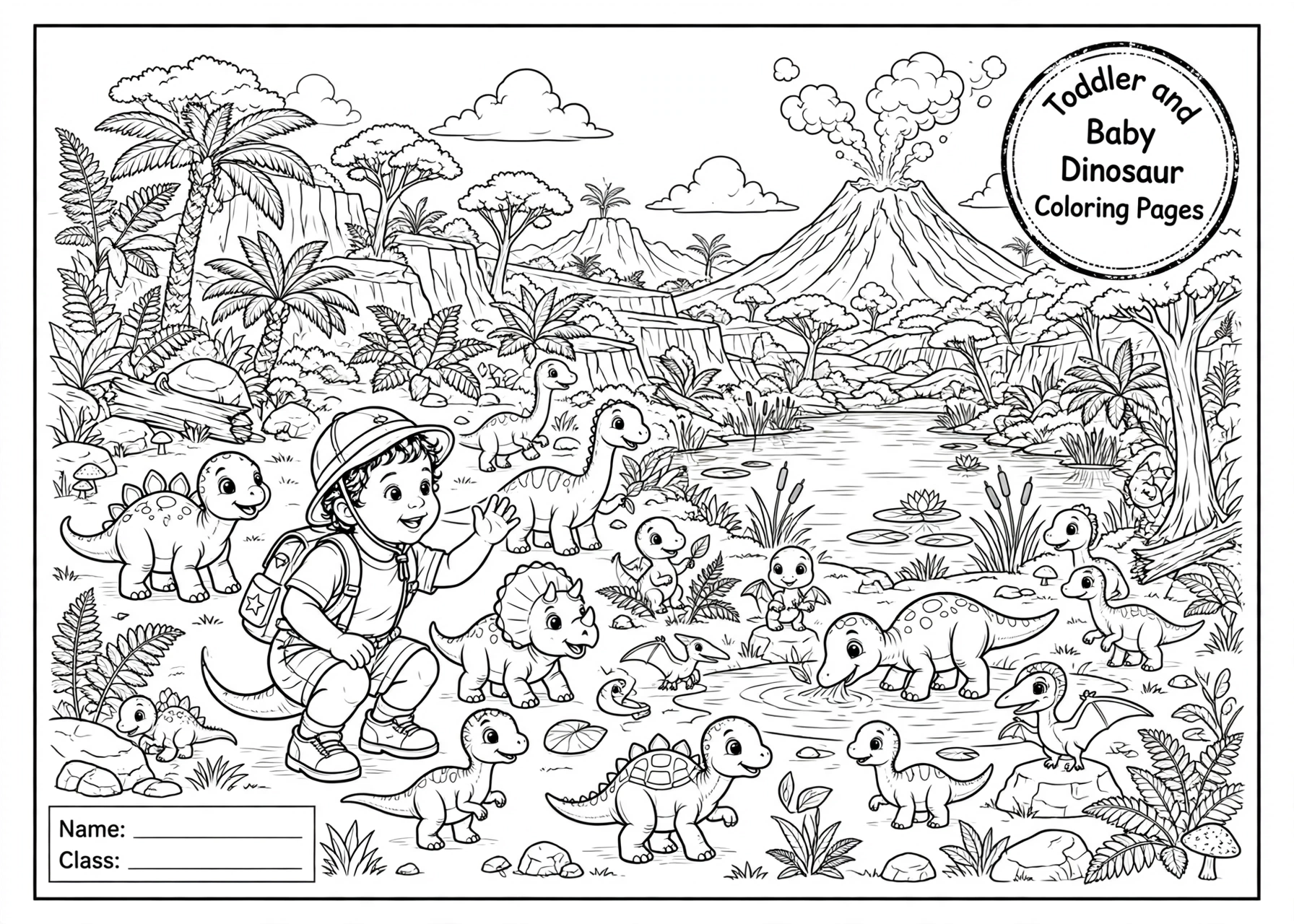
When selecting Toddler and Baby Dinosaur Coloring Pages, look at the size of the main character and the amount of detail in the design. Toddlers may find pictures with bold outlines, large coloring areas, and fewer small sections easier to handle. Older preschool children may enjoy illustrations with additional dinosaur features, plants, or scenery.
Before printing, check the preview to make sure the dinosaur is positioned properly and its important details are not cut off. Select paper settings that match the paper loaded into the printer, and consider the coloring tools the child will use. A comfortable workspace, a few suitable crayons, and an illustration that captures the child’s interest are often all that is needed.
Toddler and Baby Dinosaur Coloring Pages bring prehistoric creatures into a friendly setting where little artists can experiment with colors and create their own dinosaur characters. From a tiny Triceratops to a playful baby Stegosaurus, each illustration offers a different opportunity to explore shapes, patterns, and imaginative stories. With a relaxed approach and age-appropriate materials, dinosaur coloring can become an enjoyable part of everyday creative time.
