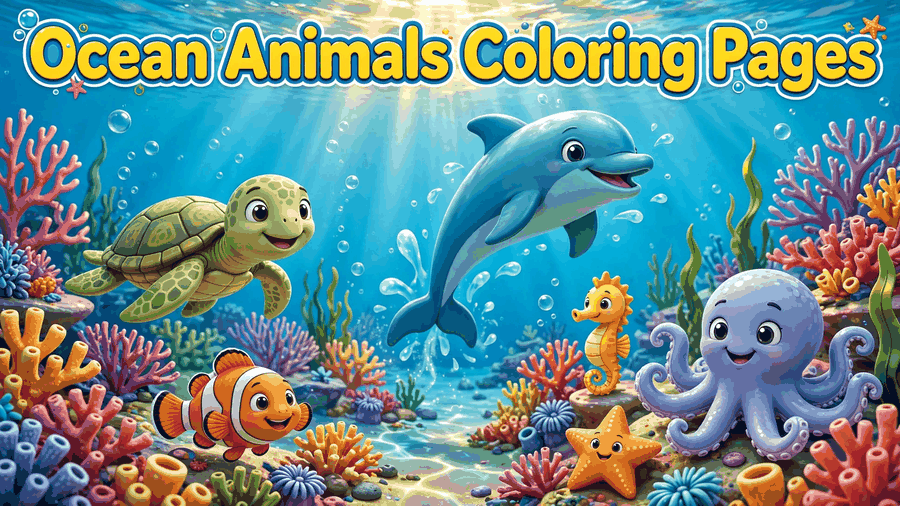
Ocean Animals Coloring Pages bring the fascinating underwater world closer to children through creative coloring activities. From graceful sea turtles to colorful fish, these printables invite young artists to explore marine life while enjoying a relaxing and imaginative art experience.
Discover the Fascinating World of Ocean Animals
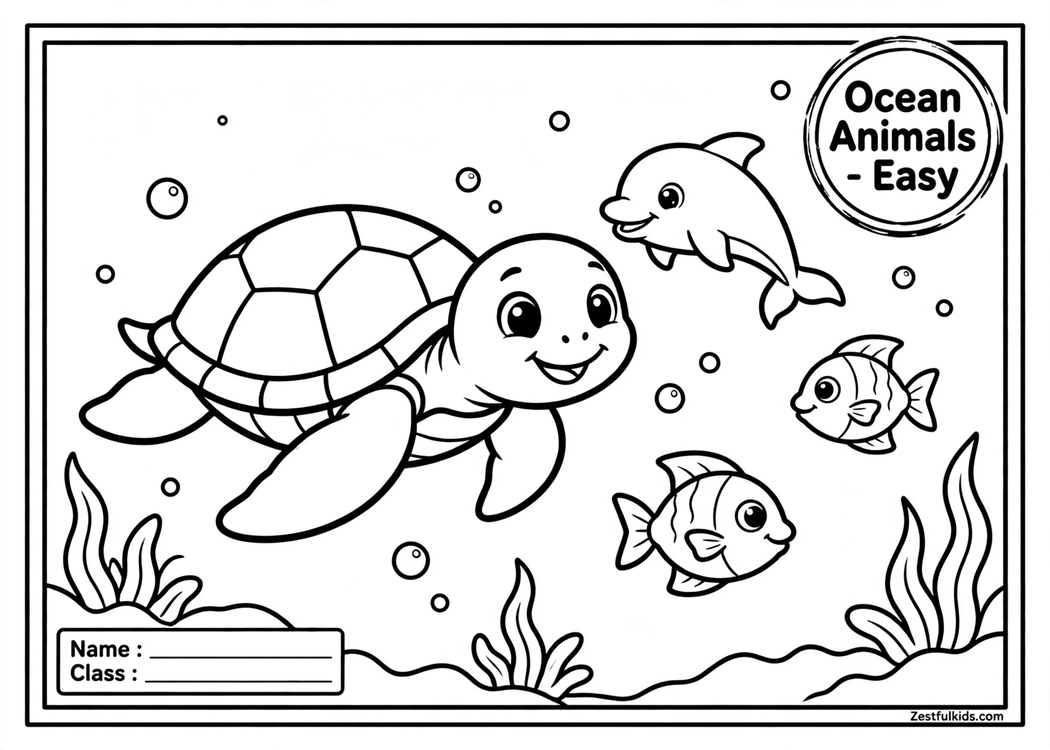
The ocean is home to an extraordinary variety of animals, each with its own appearance, movement, and way of living. Some swim through open water, others crawl along the ocean floor, and a few spend much of their time near coral reefs. These differences make ocean animals an interesting subject for children’s coloring activities. As children work with their favorite designs, they can become familiar with the wonderful diversity of marine life.
Sea turtles, dolphins, whales, octopuses, sharks, crabs, and seahorses are among the animals that often capture children’s attention. A dolphin’s curved body looks very different from an octopus with its eight arms or a crab with its distinctive claws. Fish also come in many shapes and patterns, making them especially enjoyable to color. Each animal offers a different visual experience, so children can experiment with colors instead of following a single approach.
Ocean-themed coloring activities can also introduce simple conversations about where marine animals live. Parents and teachers might explain that dolphins breathe air, octopuses have eight arms, and sea turtles use flippers to swim. These small facts can make an art session more engaging without turning it into a formal lesson. Children can enjoy coloring while gradually discovering more about the creatures they see on the page.
What Makes Ocean Animals Coloring Pages Interesting?
One of the most appealing features of ocean animals is their incredible variety of shapes, textures, and patterns. A whale has a large, smooth body, while a starfish has a recognizable shape with several arms. An octopus offers plenty of room for creative color combinations, and a striped fish can inspire children to experiment with repeating patterns. These differences help keep the coloring experience interesting, even when children work with several marine animals in one session.
Another enjoyable aspect is the opportunity to imagine life beneath the waves. Children may picture a peaceful coral reef, a quiet sandy seabed, or a school of fish swimming through clear blue water. They can use familiar ocean colors or create an imaginary underwater environment with unusual combinations. There is no need to make every animal look scientifically accurate, especially during an activity focused on artistic expression.
Ocean animals also provide an opportunity to explore the relationship between animals and their surroundings. A sea turtle might be imagined swimming above a coral reef, while a crab could be placed near rocks or seaweed. Children can add these environmental details if their coloring activity leaves room for drawing. This turns a simple page into a small underwater scene that reflects their own ideas.
Creative Ways to Color Different Marine Animals
Choosing colors can be one of the most enjoyable parts of an ocean-themed activity. Rather than giving children a fixed color chart, adults can introduce a few suggestions and let them decide how to use them. This approach allows children to explore familiar animal colors while developing their own artistic interpretations.
-
Dolphins and whales: Try shades of gray, blue, or turquoise, with lighter tones on the underside of the body. Children can use gentle shading to suggest the rounded shape of these large marine mammals.
-
Sea turtles: Green, olive, and brown are useful choices for the shell and flippers. Different shades can help distinguish the shell patterns from the rest of the body.
-
Tropical fish: Bright orange, yellow, red, and blue can make fish designs look lively. Children can create stripes, spots, or contrasting fins using their favorite combinations.
-
Octopuses: Purple, orange, pink, or even blue can be used for the body and arms. Adding different shades along the arms can make the illustration more visually interesting.
-
Crabs and lobsters: Red and orange are familiar choices, although brown and coral tones can also work well. Children can pay attention to the claws and legs when coloring smaller sections.
-
Seahorses and starfish: Yellow, orange, pink, and green offer plenty of possibilities. Repeating small patterns or alternating colors can give these unusual sea creatures a distinctive appearance.
Colored pencils are useful for adding gentle shading and working around smaller details. Crayons are convenient for younger children who prefer broader strokes, while washable markers can produce stronger, more noticeable colors. If a design contains narrow spaces or intricate patterns, choosing a coloring tool with a suitable tip can make the activity easier.
Turn an Underwater Scene Into a Creative Story
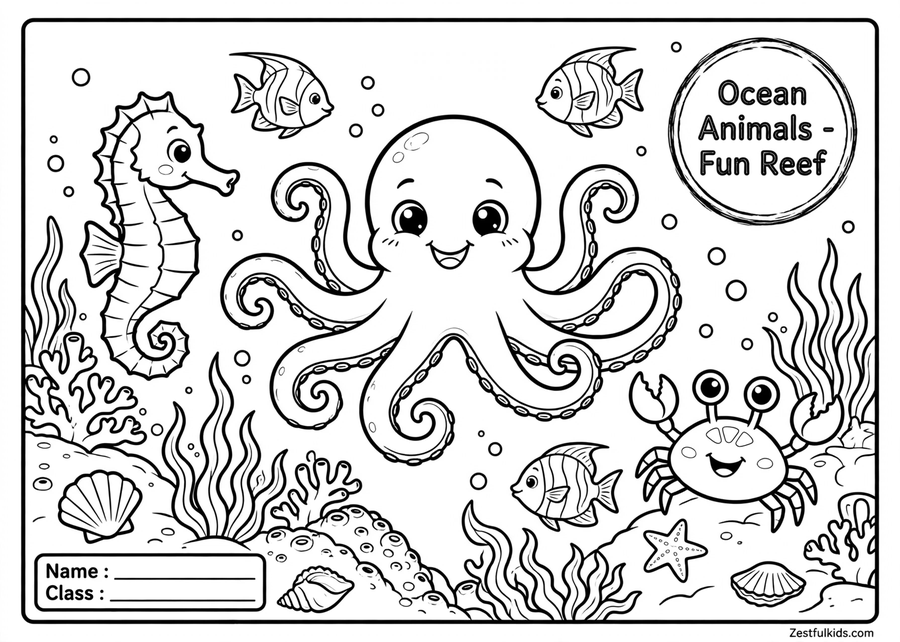
Coloring does not have to stop when the main animal is finished. Parents and teachers can encourage children to imagine a short story about the creature they have colored. A sea turtle might be traveling across the ocean, an octopus could be exploring a rocky hiding place, or a little fish might be searching for its family. These simple ideas give children a reason to look more closely at the animal and think about its surroundings.
If the illustration has open spaces, children can add optional details such as bubbles, seaweed, coral, shells, or small rocks. A blue background can represent deep water, while lighter turquoise shades can suggest a shallow coastal area. Some children may prefer a more imaginative setting with colorful underwater plants and unusual ocean patterns. Letting them make these choices gives every finished picture its own character.
For families who enjoy combining different themes, an underwater activity can be followed by another imaginative printable. The Dreamy Cloud Castle theme offers a completely different setting, moving from the ocean floor to a magical world among the clouds. This contrast can inspire children to explore how colors and backgrounds change depending on the setting.
Bring Marine Life Into Everyday Learning
Ocean animal illustrations can provide a natural starting point for conversations about marine habitats and the importance of keeping waterways clean. Adults can explain that oceans are home to many living creatures and that pollution, especially discarded plastic, can harm marine animals. Children can learn simple habits such as putting rubbish in the proper bin and avoiding littering near rivers and beaches. These conversations are most effective when they use clear examples that children can understand.
Teachers can also connect coloring activities with basic vocabulary. Children might identify the names of animals, describe their body shapes, or compare creatures that swim with those that crawl along the seabed. For example, they can notice the difference between a fish’s fins and a crab’s legs. A short discussion before or after coloring can make the activity feel connected to a wider exploration of the natural world.
For children who enjoy vehicles as much as animals, changing the theme can keep printable activities varied. A biplane introduces an entirely different subject, with wings, propellers, and an aircraft body to explore. Moving between ocean creatures and flying machines gives children opportunities to experiment with different shapes, subjects, and coloring styles.
Choosing and Using Ocean Animals Coloring Pages
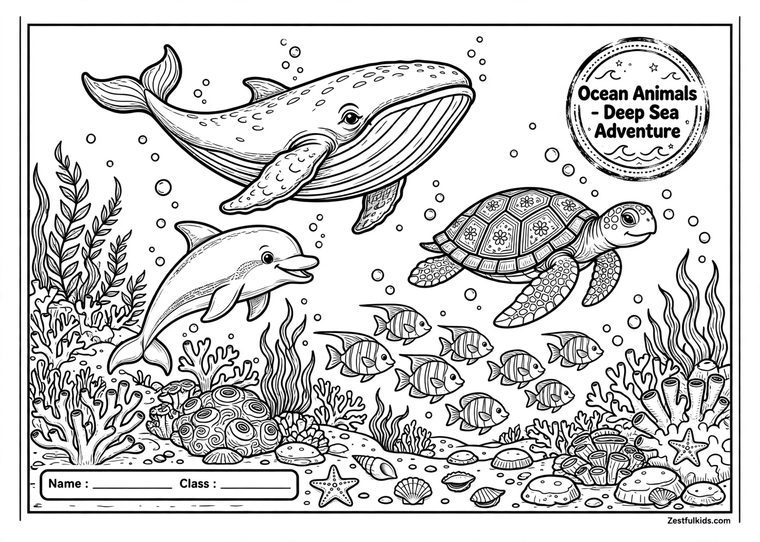
When selecting an ocean-themed printable, consider the amount of detail that suits the child’s current coloring preferences. Illustrations with larger shapes may be more comfortable for children who enjoy filling broad areas with crayons. Designs with smaller patterns and additional details can be interesting for children who like taking their time with colored pencils or fine-tip markers. The most suitable choice is one that makes the activity enjoyable rather than unnecessarily difficult.
Before printing, check the available preview to make sure the illustration is positioned correctly on the page. Adjust the print settings if necessary so that important parts of the design are not cut off by the paper margins. Ordinary printing paper can work well for crayons and colored pencils, while thicker paper may be more suitable when children prefer using markers. Always consider the type of coloring material being used to avoid ink bleeding through the sheet.
At Duniakreasianak.com, ocean-themed coloring activities can become part of a broader collection of creative experiences for children. Parents can introduce them during quiet time at home, while teachers can include them in activities about marine animals and natural habitats. Children can color independently or share their ideas with friends and family. With familiar sea creatures, imaginative backgrounds, and plenty of room for personal choices, Ocean Animals Coloring Pages offer an enjoyable way to bring the wonders of underwater life onto paper.
