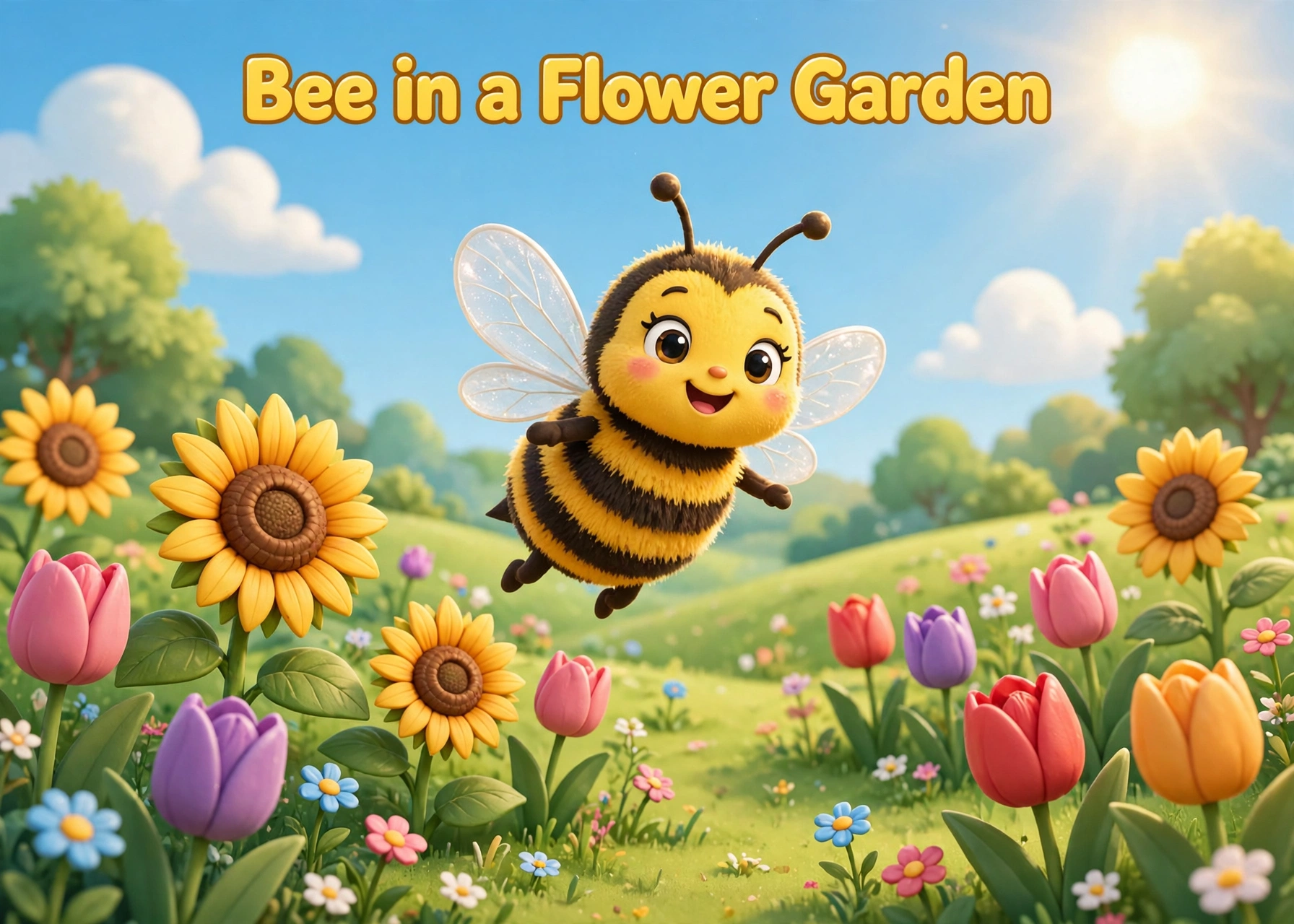
Bee in a Flower Garden Coloring Page introduces children to the cheerful world of bees, blooming flowers, and outdoor beauty through a creative coloring activity. This nature-inspired theme offers a simple way to explore garden scenery, experiment with colors, and enjoy an imaginative moment with art.
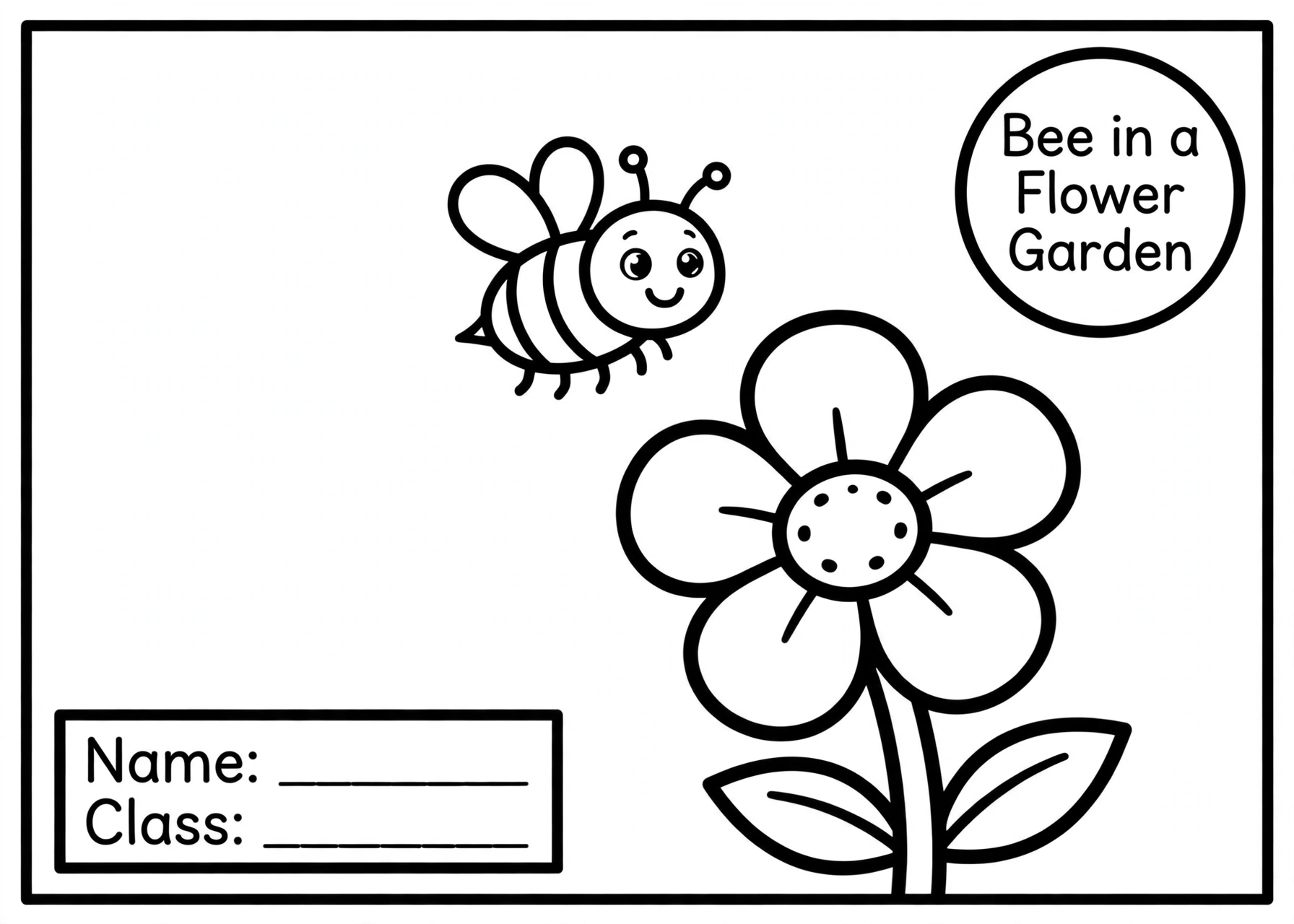
Discover the Beauty of a Bee in a Flower Garden Coloring Page
A flower garden is a lively place where different plants bloom and small creatures find food. Among these visitors, bees have an important role because they collect nectar and pollen while moving between flowers. Their familiar black and yellow bodies make them interesting subjects for children who enjoy coloring animals and nature.
A bee surrounded by flowers creates an appealing combination of shapes and details. Its rounded body, delicate wings, antennae, and tiny legs offer several areas to explore with coloring tools. Flowers add another layer of visual interest through their petals, centers, leaves, and stems. Together, these elements create a nature-themed activity that feels both playful and connected to the world children can observe outdoors.
The garden setting also gives children room to use their imagination. They might picture a sunny morning, a quiet backyard, or a colorful meadow filled with blooming plants. Even when the illustration has a simple composition, children can create their own atmosphere by choosing different colors for the flowers and surrounding scenery.
Creative Color Ideas for Bees and Blooming Flowers
Bees are commonly associated with yellow and black stripes, making these colors a natural starting point. Children can use bright yellow for the body and black for the darker sections. A little light blue or pale gray can be used for the wings if they want to suggest a delicate, translucent appearance.
Flowers provide more freedom for personal choices. Red, pink, purple, orange, and blue can all make attractive petal colors. Children do not need to make every flower look the same. Mixing several shades can create the impression of a diverse garden with different plants blooming together.
Green is a useful choice for leaves and stems, but it does not have to be limited to one shade. Light green can represent fresh leaves, while darker green adds contrast. If children want to experiment, they can also use different greens to distinguish one plant from another.
The background can complete the scene without taking attention away from the main subject. Light blue works well for an open sky, while soft yellow can suggest sunshine. Children may also add brown for soil or a garden path if the composition leaves room for these details.
For a more imaginative result, encourage children to invent their own flower varieties. A flower with purple petals and a yellow center can look just as interesting as a familiar garden plant. The purpose is to enjoy the coloring process rather than follow a strict color pattern.
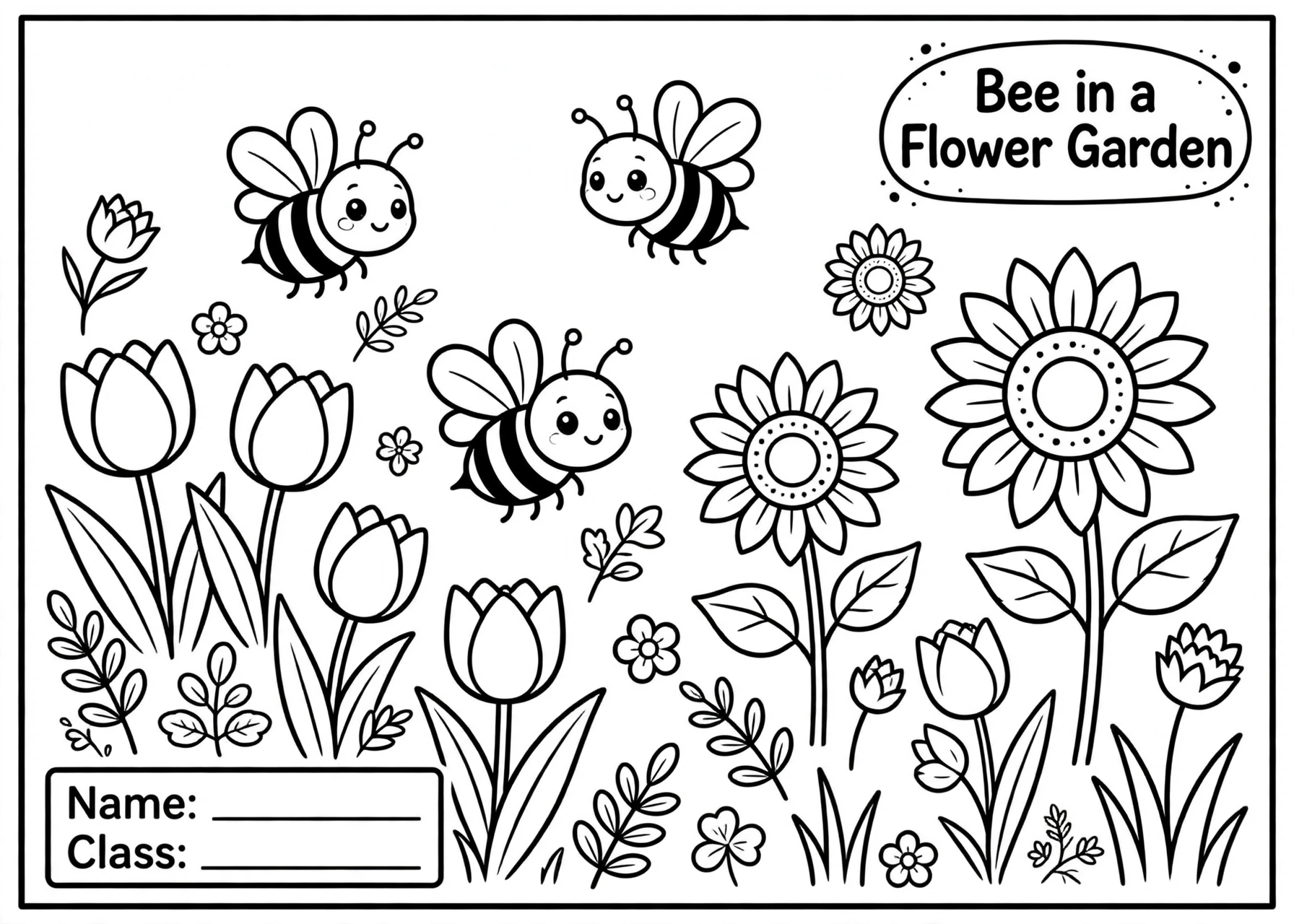
What Children Can Explore Through This Garden Theme
This coloring activity offers a natural opportunity to introduce children to the relationship between bees and flowers. Bees visit flowers to collect nectar and pollen. As they move between blossoms, pollen can stick to their bodies and be transferred to other flowers, helping many plants reproduce.
Parents and teachers can explain this process using simple language while children work on the illustration. There is no need for a lengthy science lesson. A short conversation about why bees visit flowers can make the activity more meaningful and encourage children to notice pollinators in their surroundings.
The theme can also lead to discussions about different flower shapes and colors. Some flowers have broad, rounded petals, while others have narrow or pointed ones. Children can compare these differences with plants they have seen in gardens, parks, or picture books.
Another interesting detail is the bee’s body. Its stripes, wings, antennae, and legs provide an opportunity to notice how different body parts contribute to its movement and everyday activities. Adults can introduce these details naturally without turning the coloring session into a formal assignment.
Turn Coloring Time into a Small Garden Adventure
A printable garden illustration can become the starting point for a simple creative activity at home or in the classroom. Before coloring begins, invite children to look carefully at the bee and flowers. They can decide which parts they want to color first and imagine what the garden might look like during a bright spring morning.
For younger children, starting with larger areas may make the activity easier to manage. They can color the bee’s body before moving to its wings and smaller details. Older children may enjoy paying more attention to the flower centers, leaf shapes, and color combinations.
Once the main illustration is finished, children can describe their imaginary garden. They might give the bee a name, invent a story about its journey between flowers, or explain which blossom it would visit first. This activity adds a storytelling element without requiring additional materials.
Teachers can also connect the theme with a classroom nature discussion. Children may share examples of flowers they recognize or talk about insects they have noticed outside. If the class is exploring different environments, a garden-themed activity can complement lessons about plants, insects, and the natural world.
For another imaginative nature-inspired activity, children may also enjoy exploring mermaid treasure illustrations, which offer a different setting for creative color choices and storytelling.
Choosing the Right Coloring Tools
The best coloring tools depend on the child’s preferences and the amount of detail in the illustration. Crayons are a practical choice for filling larger flower petals, leaves, and background areas. Their easy grip makes them convenient for children who prefer broad strokes rather than precise coloring.
Colored pencils are useful when working on smaller details, such as the bee’s antennae, wing outlines, or flower centers. They also allow children to layer different shades gradually. For example, a flower can have a darker color near its center and a lighter shade toward the outer petals.
Washable markers can create bright, noticeable colors, especially on larger sections. However, adults should check the paper before printing because some markers may show through thin sheets. Placing another sheet underneath can help protect the surface used for coloring.
If the activity is intended for a group, preparing coloring materials in advance can make the session more organized. Children can choose their preferred tools while adults provide gentle guidance when needed. There is no requirement for everyone to use identical colors or finish at the same pace.
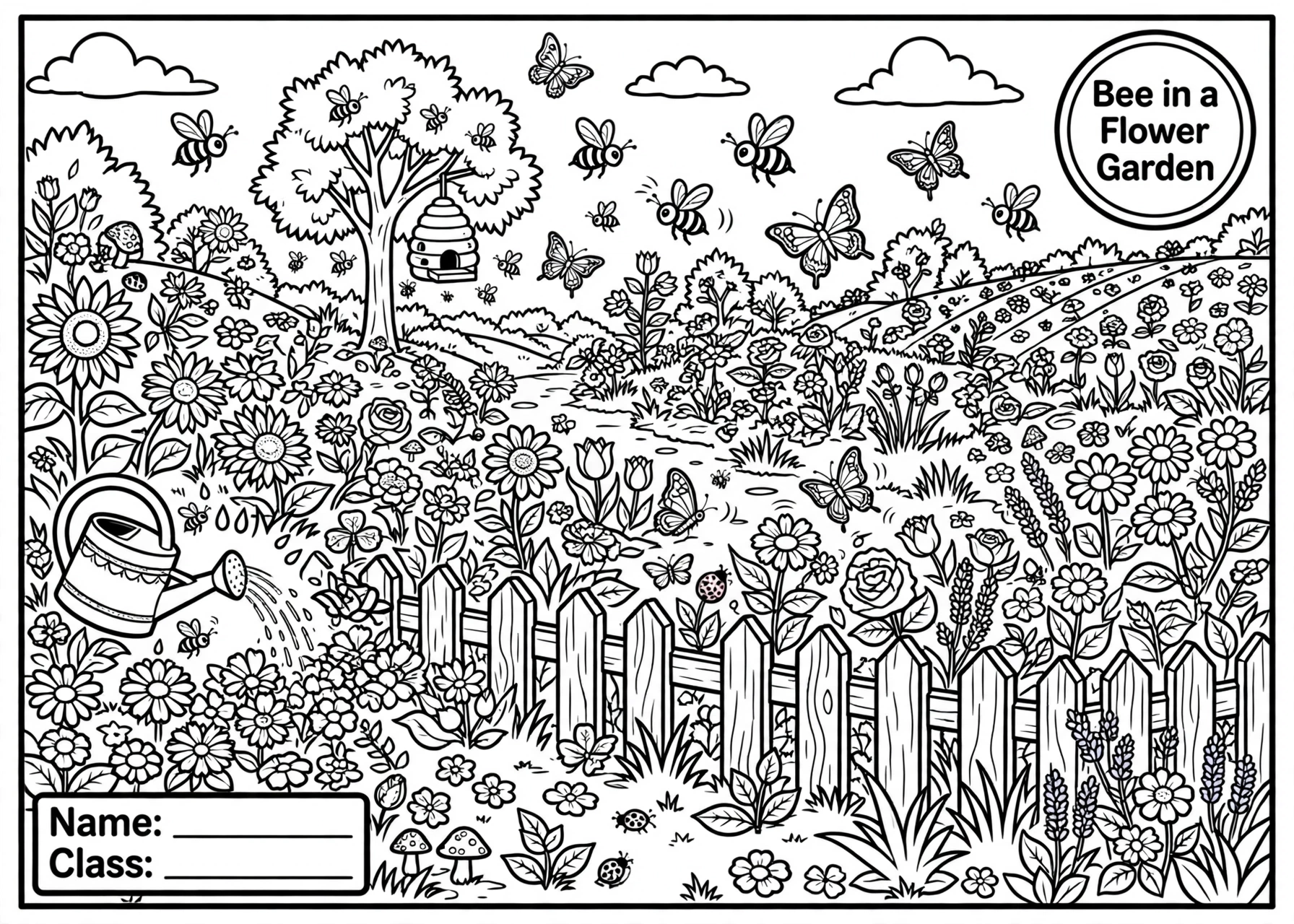
Making the Most of a Printable Flower Garden Activity
Before printing a coloring design, parents and teachers should review the available file and check the print preview. Confirm that the illustration fits the selected paper size and that important details are not cut off by the printer margins. Choosing a suitable paper thickness can also make coloring more comfortable, particularly when children prefer markers or layered colored pencils.
After printing, allow children to work at a comfortable table with enough room for their coloring materials. A clean surface helps prevent crayons and pencils from becoming mixed with other activities. Younger children may appreciate having their materials arranged by color so they can find what they need easily.
Finished artwork can be displayed on a bedroom wall, classroom board, or family activity corner. Children may enjoy comparing how differently each person colors the same nature theme. These small displays can also encourage them to take pride in their individual creative choices.
Families who enjoy seasonal and imaginative printable activities can explore Christmas Eve illustrations for another creative project. Its festive atmosphere provides a different experience from the flowers and wildlife featured in a garden scene.
A bee visiting blooming flowers is a small but meaningful subject for a children’s coloring activity. Through simple color choices, garden-inspired storytelling, and conversations about pollination, children can enjoy an artistic experience that connects creativity with everyday nature. Whether used during a quiet afternoon at home or as part of a classroom activity, this theme provides an inviting opportunity to explore the beauty of flowers and the important role bees play in the natural world.
