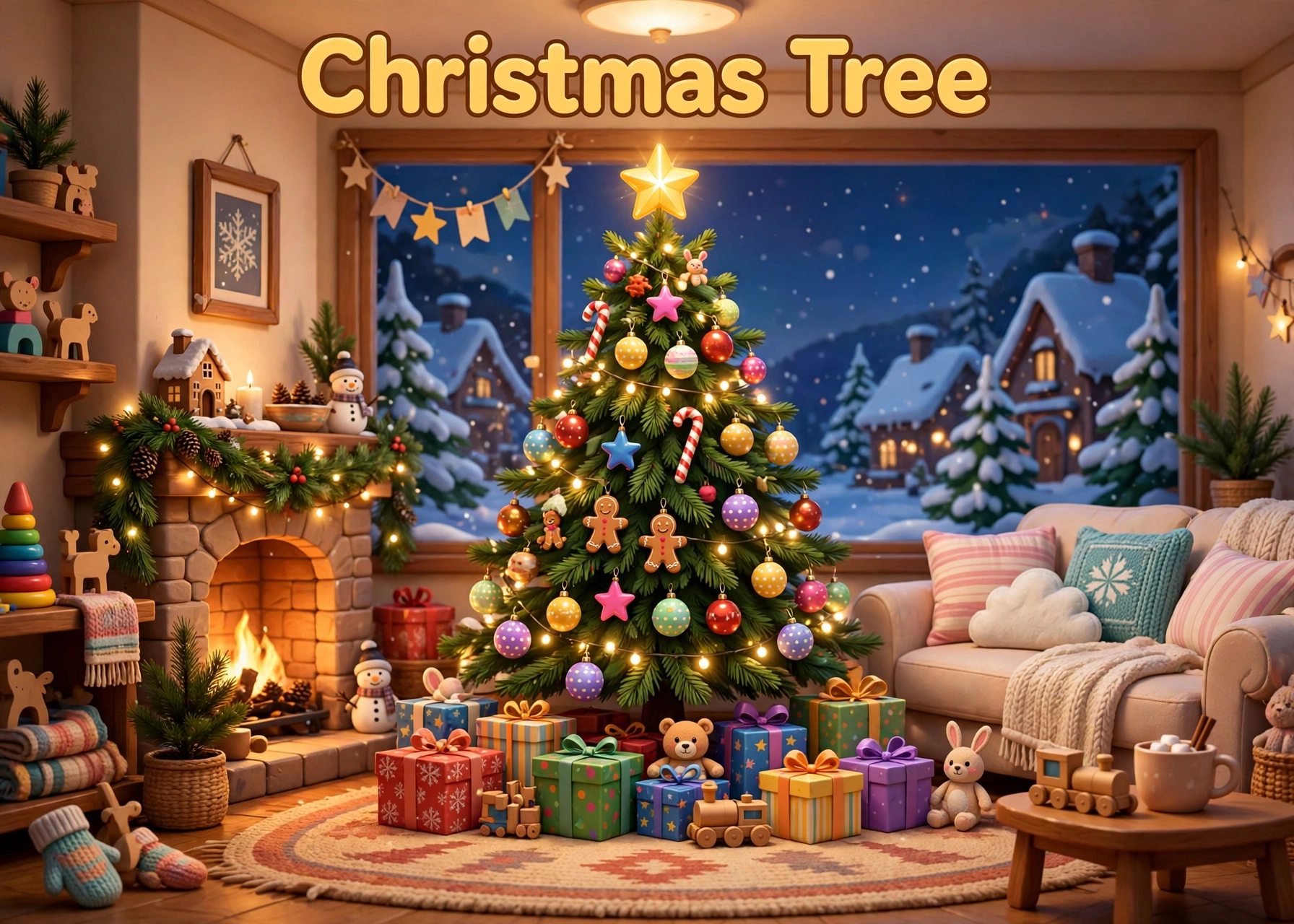
Christmas Tree Coloring Page brings the excitement of the holiday season into a creative activity for children. With evergreen branches, festive decorations, and sparkling ornaments, this printable theme lets kids explore seasonal colors and create their own version of a beautifully decorated Christmas tree.
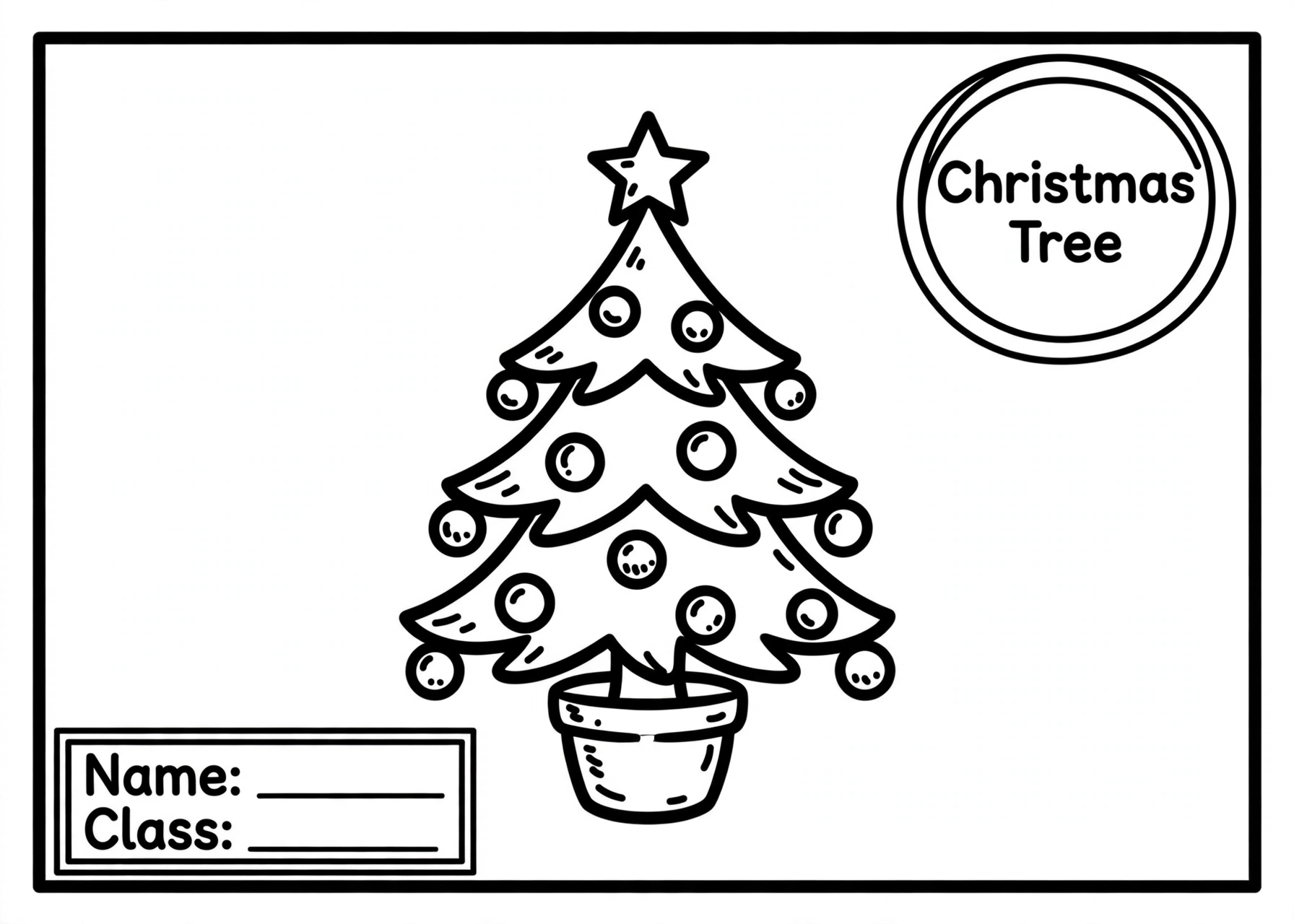
A Christmas Tradition Children Can Explore Through Art
A decorated Christmas tree is one of the most recognizable symbols of the holiday season. Families often place one in their homes and decorate it with colorful ornaments, ribbons, lights, and a star or angel at the top. For children, watching a tree gradually transform into a festive centerpiece can be an exciting part of Christmas preparations.
A Christmas tree coloring activity captures some of that seasonal atmosphere on paper. Instead of using real decorations, children can decide how their illustrated tree should look. They might imagine a traditional evergreen covered with red and gold ornaments or create a completely unusual design with rainbow-colored decorations.
The shape of a Christmas tree also makes an interesting coloring subject. Its layered branches provide several sections that can be filled with different shades of green. Decorations add smaller details, allowing children to move between larger coloring areas and more precise work.
Each child can approach the same theme differently. One might prefer a simple tree with a few ornaments, while another may imagine an elaborate holiday display filled with decorative patterns. There is no single correct way to create a festive Christmas tree.
Choosing a Color Scheme for a Festive Tree
Green is the traditional starting point for coloring a Christmas tree. Children can use dark green for the deeper parts of the branches and lighter green for areas that they want to make more noticeable. Combining several shades can give the tree a little more visual variety without making the coloring process complicated.
The decorations are where children can experiment with brighter colors. Red, gold, silver, blue, and purple are popular choices for Christmas ornaments. They can also use different colors for individual baubles, creating a cheerful appearance across the branches.
The tree topper deserves special attention because it often becomes the highest decorative point. A yellow or golden star is a familiar choice, while some families prefer an angel or another festive ornament. Children can choose whichever color best matches their imagined design.
Ribbons and garlands can introduce additional patterns. A red ribbon winding around green branches creates a traditional holiday look, while blue and silver decorations can suggest a cooler winter atmosphere. Children may also add small dots, stripes, or zigzag patterns to individual ornaments if the illustration provides enough space.
The tree stand and surrounding area offer further opportunities for creativity. Brown can represent a wooden stand, while a decorative red or gold base can make the entire composition feel more festive.
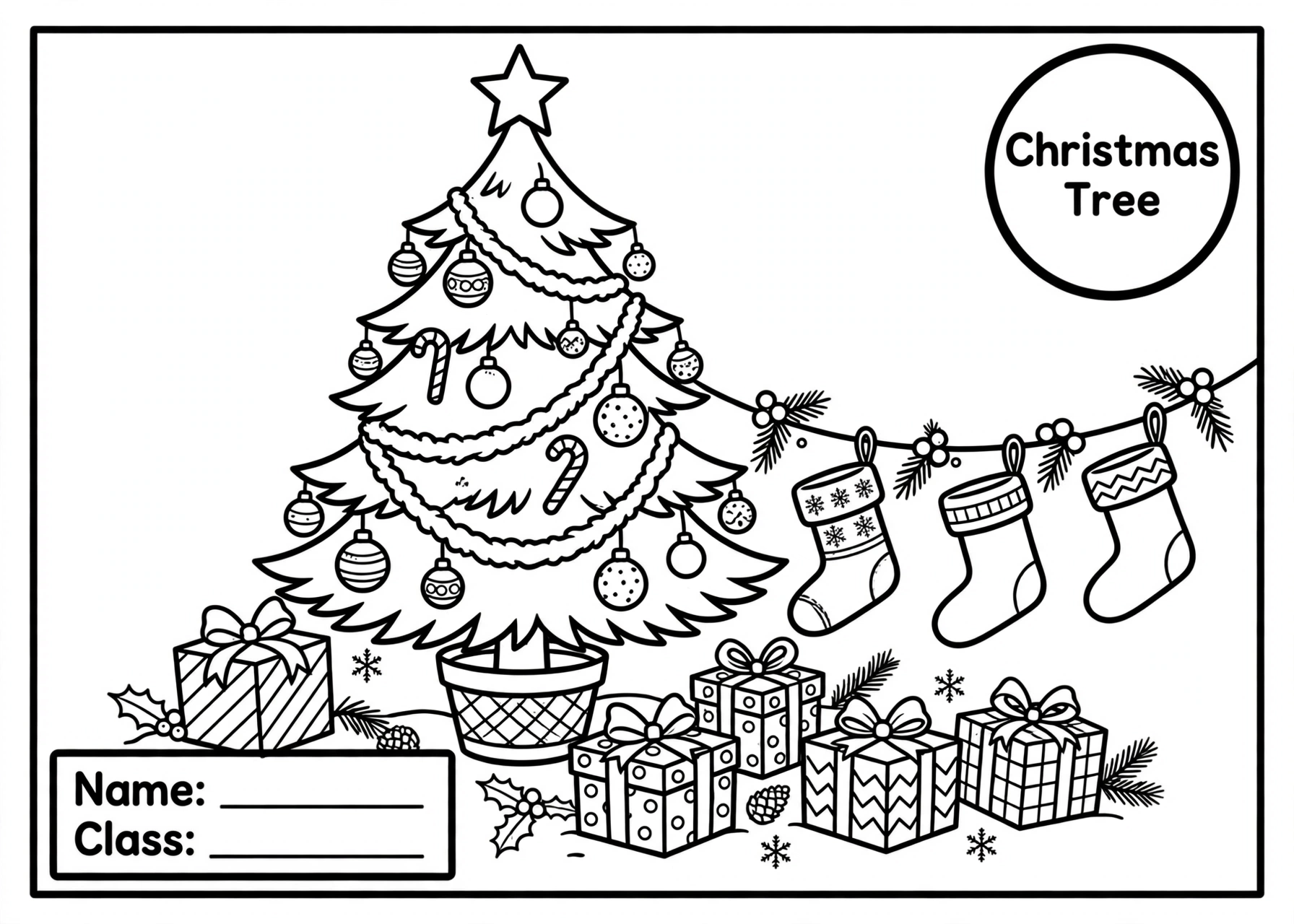
Decorations That Make Every Tree Different
Christmas tree decorations are not simply colorful objects placed on branches. Many families use ornaments that represent personal memories, traditions, or special occasions. Some decorations are purchased, while others are handmade by children or passed down through generations.
This makes decorating a Christmas tree an interesting subject for a creative discussion. Parents can invite children to imagine what kinds of ornaments they would like to hang on their own tree. They might choose miniature stars, bells, candy canes, snowflakes, gift-shaped decorations, or colorful baubles.
Children can also invent ornaments that represent their favorite things. A little book, a toy car, a flower, or a miniature animal could become part of their imaginary Christmas collection. These additions can be drawn around the main illustration if there is enough room.
Another idea is to create a color pattern. Children might alternate red and gold ornaments across the branches or use a different color for each section of the tree. This simple challenge encourages them to plan their design before filling in the details.
For families who decorate a real tree together, the coloring activity can also become a way to discuss their own holiday traditions. Children can describe which decorations they recognize and which ones they would like to use this year.
Adding a Festive Background to the Artwork
A Christmas tree does not always need an elaborate background. A simple setting can help the main subject remain the center of attention. However, children who enjoy adding extra details may want to create a complete holiday scene around the tree.
A living room setting is one possibility. They can imagine the tree standing near a window, beside a fireplace, or in a cozy family corner. Optional details such as a rug, cushions, or wrapped presents can help develop the scene.
For a winter-inspired design, children can choose a light blue background and add white snowflakes or falling snow. Although Christmas trees are often associated with snowy scenery in illustrations, they can also represent celebrations in warmer climates where snow is not part of the holiday experience.
Small gifts beneath the tree can introduce another interesting coloring element. Red, green, purple, and gold wrapping paper can make the presents stand out. Children can also draw different ribbon styles or decorative bows to make each gift look unique.
If the original illustration has limited background space, there is no need to fill every empty area. Leaving some parts white can make the decorated tree easier to appreciate.
Creative Ways to Use a Christmas Tree Activity
Beyond individual coloring time, this seasonal theme can become part of a family or classroom Christmas project. Children can complete their artwork and then share the story behind their chosen decorations.
One enjoyable activity is to design a dream Christmas tree. Ask children to imagine a tree that represents their interests and favorite things. They can select unusual ornament colors, invent new decorations, and give their finished tree a special name.
Teachers can also organize a small Christmas art display. Each child can contribute a finished picture, creating a collection of different tree designs. Rather than asking everyone to follow the same color scheme, allow each student to develop an individual style.
For a simple writing activity, children can describe their favorite ornament and explain why they chose it. Younger children can tell their story aloud, while older children may enjoy writing a few sentences to accompany their artwork.
Families looking for more holiday-inspired activities can also explore a dinosaur birthday party theme for a different kind of celebration. Although the subject is not Christmas-related, it offers another opportunity to combine imaginative characters with festive decorations.
Suitable Coloring Tools for Holiday Details
Different coloring materials can produce different effects on a Christmas tree illustration. Crayons are convenient for filling large branch sections and broad background areas. Children can use them to create solid green sections before moving on to smaller decorations.
Colored pencils are particularly useful for ornament details, thin garlands, and decorative patterns. They allow children to work carefully around small shapes and combine shades gradually. A darker green pencil can also add simple shading between the tree branches.
Washable markers are a good option for children who prefer bright, noticeable colors. Red ornaments, golden stars, and colorful presents can stand out clearly when colored with markers. However, adults should consider the paper thickness because some markers may show through thin sheets.
Children do not need an extensive collection of art supplies to complete the activity. A few green shades, several bright colors, and a pencil for optional details are usually enough to create an attractive holiday picture.
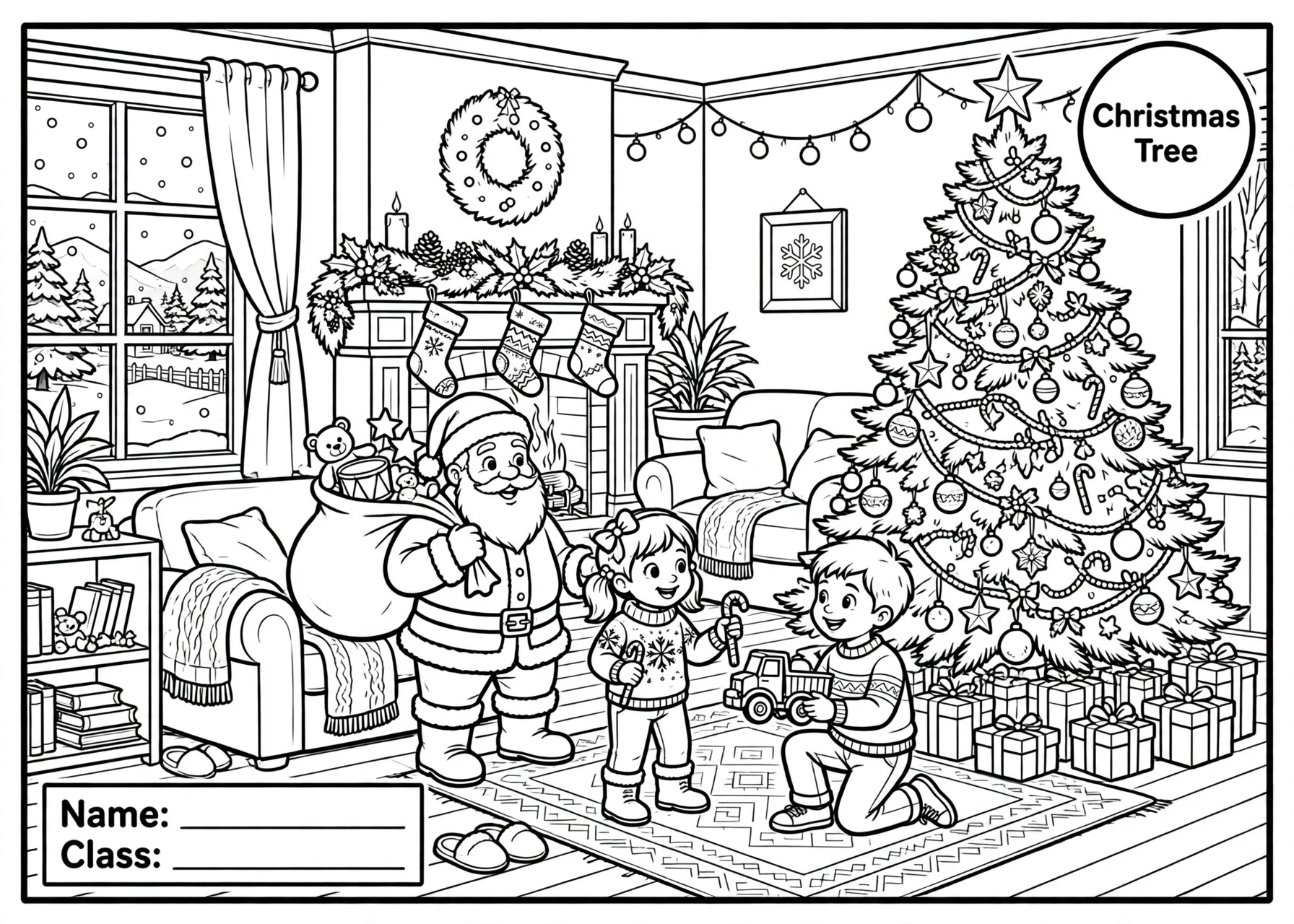
Preparing the Printable for Christmas Activities
Before printing, parents and teachers should check the available file and use the print preview to confirm that the entire illustration fits the selected paper size. Checking the printer margins can help prevent important parts of the tree or its decorations from being cut off.
A clean workspace makes the activity easier to organize, especially when several children are coloring together. Place the crayons, pencils, or markers within easy reach and allow enough room for each child to work comfortably.
The completed artwork can be displayed on a refrigerator, bedroom wall, classroom board, or family activity corner. Children may enjoy adding their names and the year to remember their holiday creations.
For another seasonal activity with a gentle holiday theme, families can explore a Easter bunny and lamb illustration. It offers a different opportunity to enjoy seasonal characters and experiment with soft spring colors.
A Christmas tree provides plenty of room for personal expression, from traditional green branches and golden stars to imaginative ornaments in unexpected colors. Through this creative activity, children can explore familiar holiday traditions, design their own decorations, and enjoy a little festive inspiration while creating artwork to share with family and friends.
