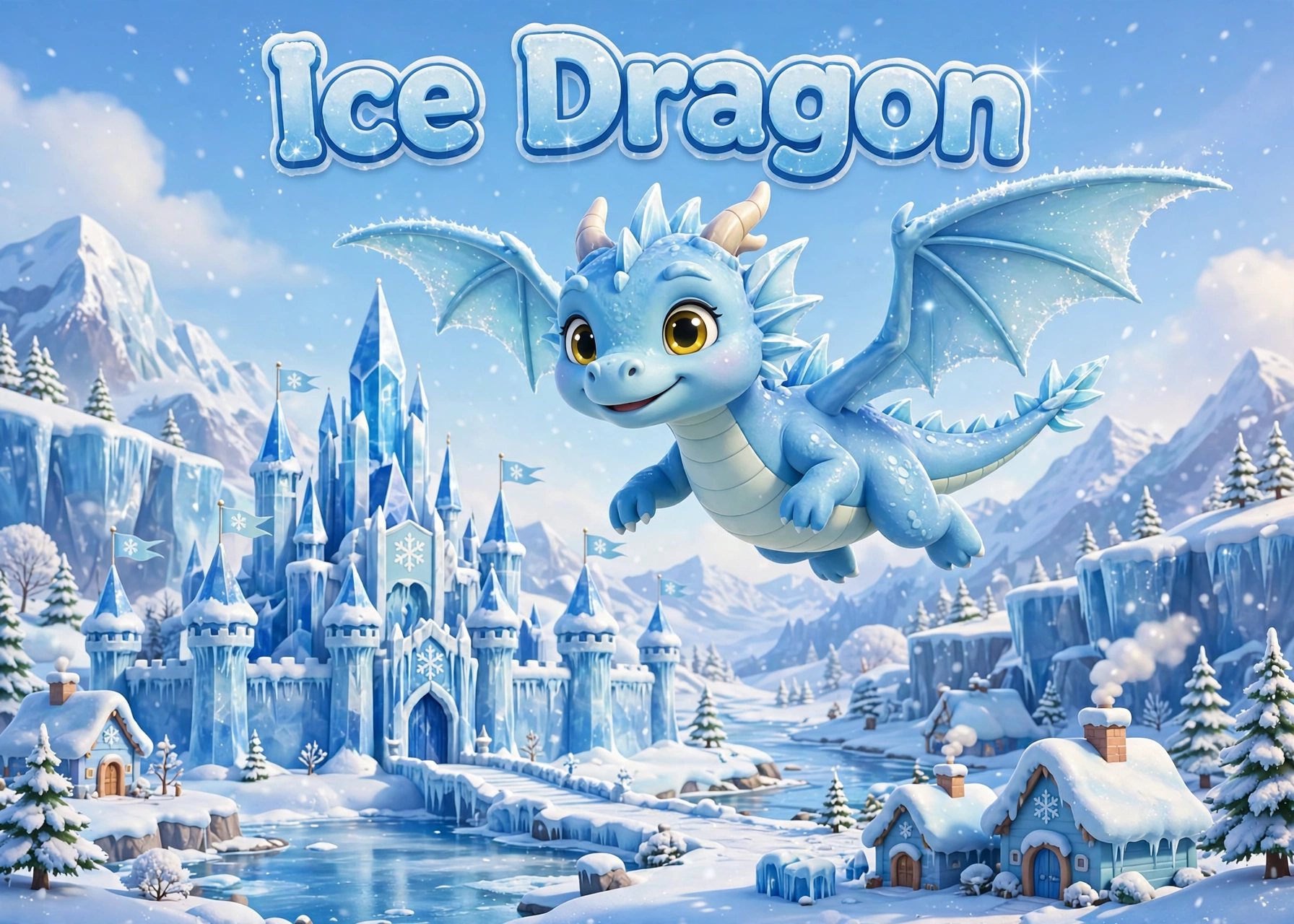
Ice Dragon Coloring Pages invite children into a magical winter world filled with mythical creatures, icy details, and imaginative adventures. Through creative coloring, kids can design their own frosty dragons, experiment with cool color combinations, and invent stories set in a mysterious frozen kingdom.
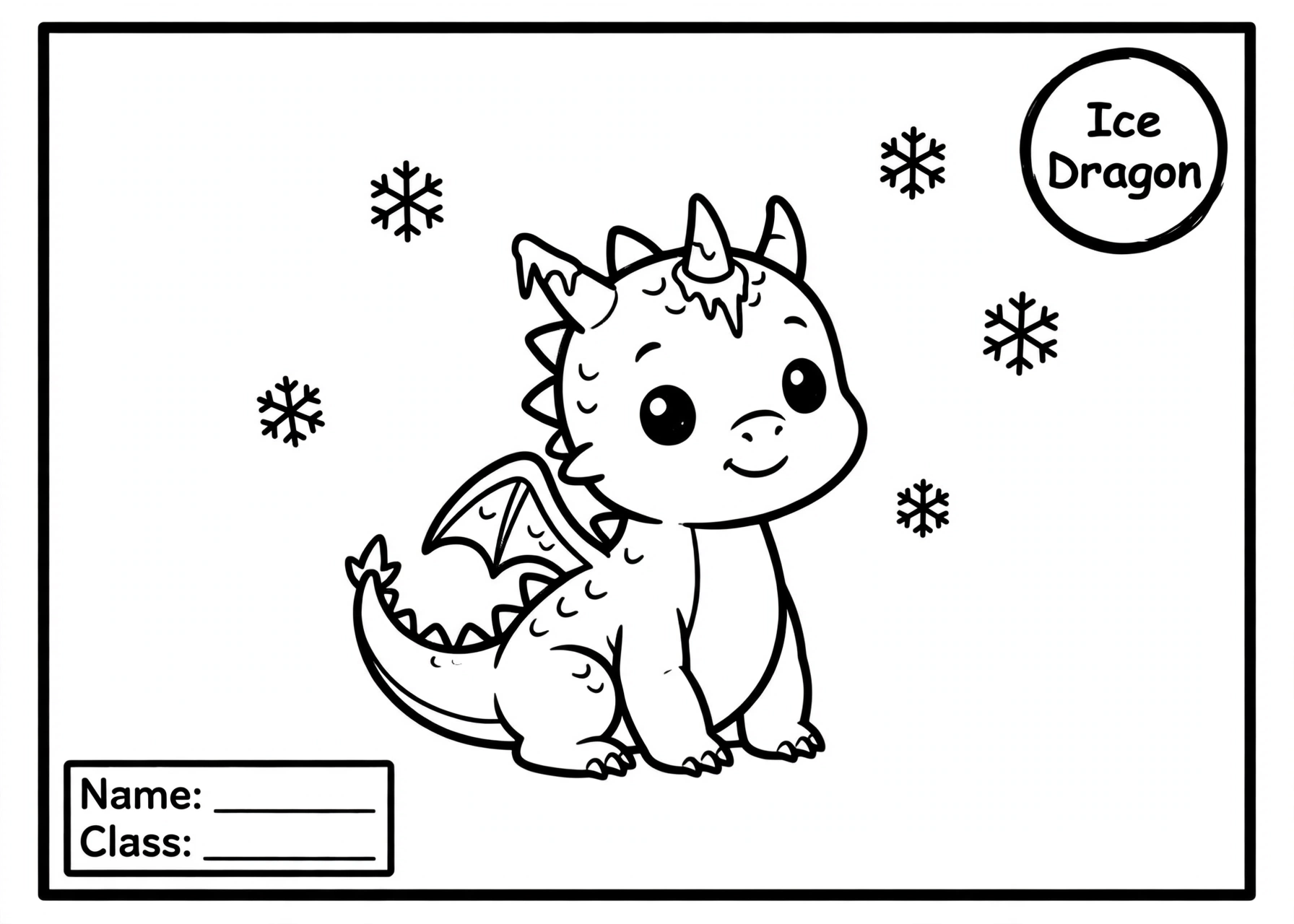
Meet the Ice Dragon: A Creature of Winter Fantasy
Dragons have appeared in myths, legends, and fantasy stories for generations. Some are imagined as powerful fire-breathing creatures, while others are associated with water, forests, storms, or ice. An ice dragon offers a different interpretation, bringing together the familiar shape of a dragon and the mysterious atmosphere of a frozen landscape.
Unlike traditional fire dragons, ice dragons are often imagined with frosty features. Their scales might resemble frozen crystals, their wings could look like delicate sheets of ice, and their breath may create snowflakes or icy mist. These fantasy details make them interesting subjects for children who enjoy creating unusual characters.
The combination of a dragon’s powerful appearance and a cold winter setting also provides plenty of room for imagination. Children can picture an ice dragon living inside a snowy mountain, protecting a frozen lake, or flying above a kingdom covered in snow. These are optional story ideas that can make the coloring experience more engaging.
An ice dragon does not have to look frightening. Children can give their character a friendly expression, rounded features, or a playful personality. They might imagine a young dragon learning to control its icy breath or a gentle creature helping other animals during winter.
Creating a Frosty Color Palette
Color selection plays an important role when bringing an ice dragon to life. Blue is a natural starting point because it is commonly associated with ice, snow, and winter skies. Children can combine pale blue, turquoise, and darker blue to create different shades across the dragon’s body.
White is another useful choice, particularly for details that are meant to resemble snow or frost. Light gray can provide subtle contrast, while silver or very pale purple can give the imagined scales a more magical appearance.
Children can also experiment with colors that are not traditionally associated with ice. A purple dragon with blue wings or a turquoise dragon with white markings can look just as interesting. Adding a few contrasting details around the eyes, horns, or tail can help the character stand out.
For a more detailed coloring approach, try using three related shades:
- Light blue: For the main body or large sections of the wings.
- Medium blue: For scales, tail details, and other visible features.
- Dark blue: For selected areas that need stronger contrast.
This simple color arrangement can create a sense of depth without requiring complicated techniques. Children who prefer a brighter fantasy style can introduce pink, lavender, or even golden accents.
Wings, Scales, and Other Details Worth Exploring
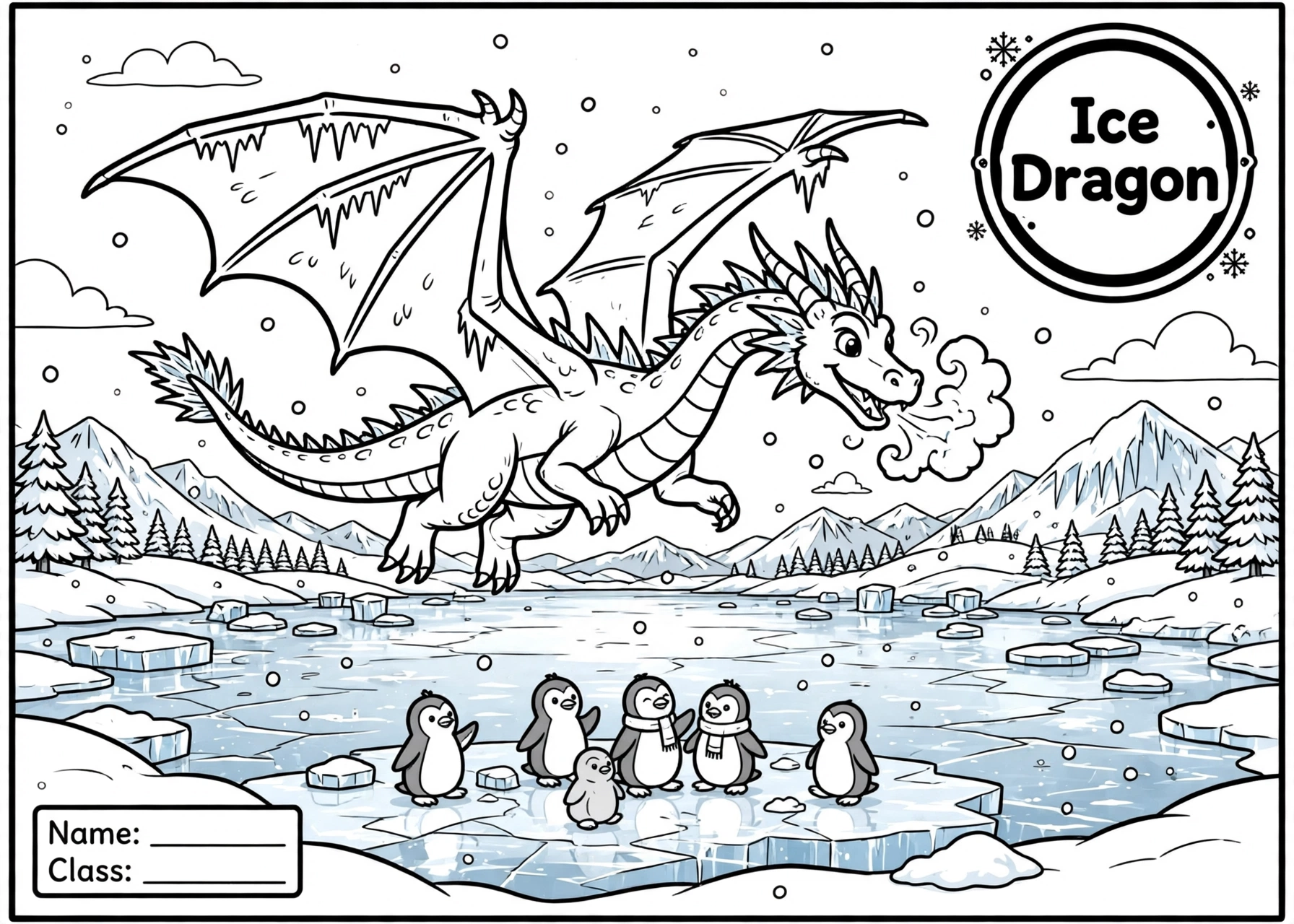
An ice dragon’s appearance offers several interesting areas to color. Its wings are particularly suitable for creative experimentation. Children might imagine translucent wings resembling frozen glass or broad wings covered with icy patterns.
The scales can also become a decorative feature. Some children may prefer coloring each section with a consistent shade, while others can alternate light and dark blues to create a pattern. If the illustration includes horns, claws, or spikes, these can be colored in silver, white, or contrasting shades.
The dragon’s tail provides another opportunity to experiment. Depending on its shape, children can add alternating colors or small decorative markings. They can also imagine that the tail leaves a trail of sparkling frost whenever the dragon moves.
Facial details deserve attention as well. The eyes can give the character a particular personality. Bright blue eyes might suggest a mysterious creature, while green or violet eyes could make it look more imaginative. A gentle smile can turn a powerful mythical dragon into a friendly companion.
Encourage children to work at their own pace rather than trying to finish every small detail immediately. Starting with larger body sections and moving toward smaller features can make the process easier to manage.
Imagine the World Where an Ice Dragon Lives
A dragon becomes even more interesting when children imagine its surroundings. A frozen environment offers several possibilities for optional background details, including snow-covered mountains, ice caves, frozen waterfalls, and sparkling snowflakes.
A simple winter sky can be colored pale blue or light gray. Snow-covered ground can remain mostly white, with small areas of light blue shading to suggest shadows. If children imagine the dragon flying above an icy mountain range, darker blue and gray can help distinguish the distant landscape from the creature.
An ice cave is another creative setting. Children can imagine tall icicles hanging from the ceiling, frozen walls reflecting light, and crystals scattered across the ground. Soft purple and turquoise can add variety to an otherwise blue-and-white scene.
For a more imaginative challenge, ask children to invent a special place for their dragon. Perhaps it guards a hidden ice castle or lives near a magical lake that never melts. They can give the location a name and describe what makes it different from an ordinary winter landscape.
These storytelling ideas are optional additions rather than details that must appear in the original illustration. They allow children to expand the theme while keeping the coloring activity focused on the dragon itself.
From Coloring to a Little Dragon Adventure
Once the main character has been colored, the activity can continue through simple creative challenges. One idea is to give the ice dragon a name and decide what kind of personality it has. Is it curious, shy, adventurous, protective, or playful?
Children can then invent a short adventure. The dragon might discover a mysterious crystal, help a lost animal find shelter, or explore a mountain hidden beneath thick snow. Younger children can describe their story aloud, while older children may enjoy writing a few sentences to accompany their artwork.
Another activity is to compare different types of dragons. An ice dragon might have blue scales and frosty wings, while a fire dragon could have warm red and orange colors. Children can explain how the creatures might live in different environments and what makes each one special.
For another fantasy-themed activity, children can explore kawaii dragons. The cute character style offers a different interpretation of dragons and provides more inspiration for imaginative designs.
Choosing the Right Tools for Icy Effects
Colored pencils are a useful choice for ice dragon illustrations because they allow children to combine shades gradually. They can start with pale blue and add darker tones around selected details. White pencils can also be used to create highlights on darker blue sections.
Crayons work well for larger areas, such as the dragon’s body, wings, or background. Their broad coloring surface makes them convenient for children who prefer simple coloring techniques.
Washable markers are suitable for creating strong, vibrant colors. Bright turquoise, blue, and purple can make the dragon look especially striking. However, adults should check the paper thickness because some markers may show through thinner sheets.
Children can also use a combination of materials. For example, crayons can fill the larger body sections, while colored pencils add details to the wings and scales. The best approach is to choose tools that match the amount of detail in the illustration.
Preparing a Printable Coloring Session
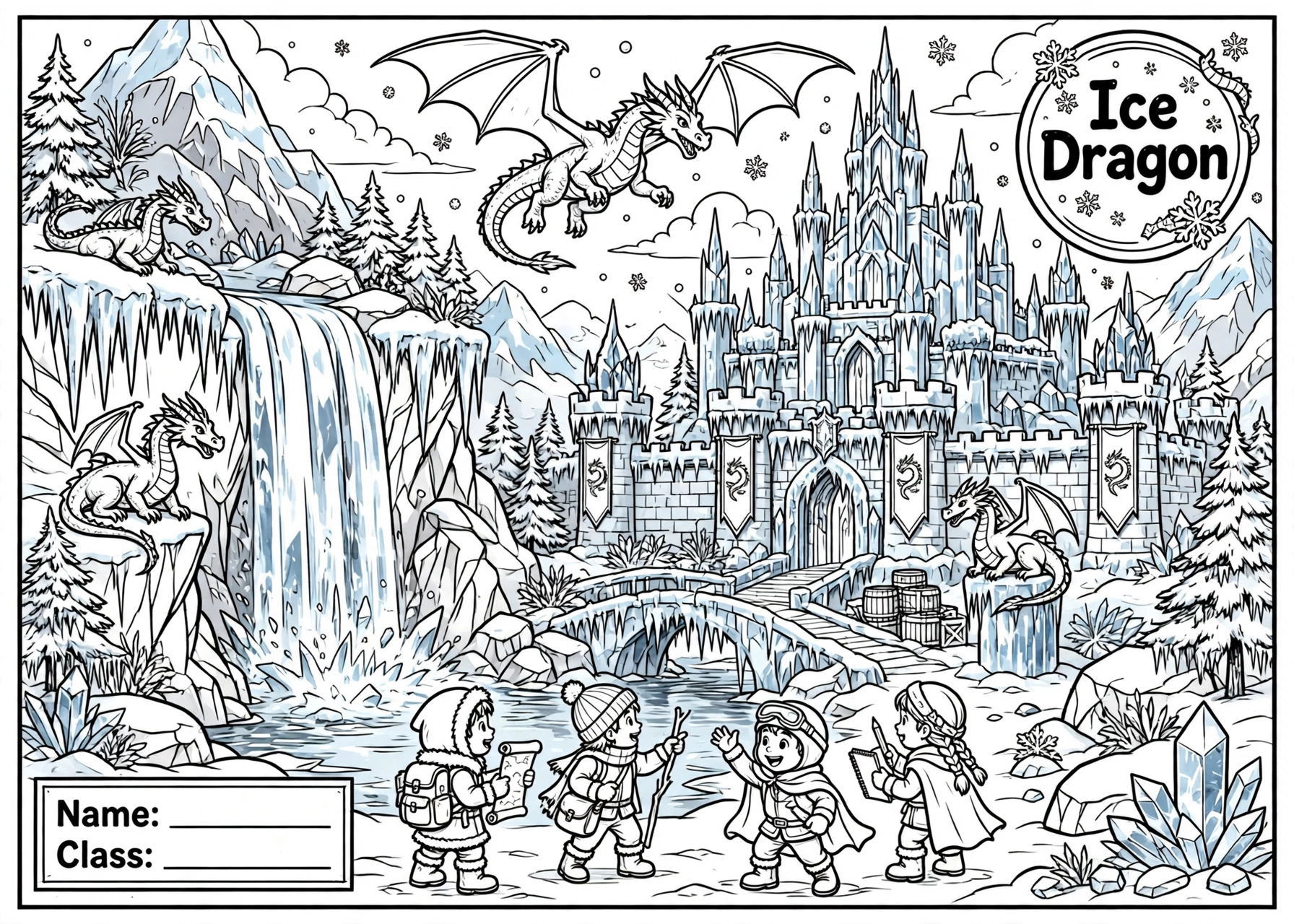
Before printing, parents and teachers should check the available file and review the print preview. Confirm that the selected paper size matches the printer settings and that the illustration fits within the printable area. Checking the margins helps prevent important parts of the dragon from being cut off.
A comfortable workspace with enough room for coloring materials makes the activity easier to organize. Children can arrange their blue, white, purple, and other favorite colors before beginning. There is no need to prepare an elaborate setup; a clean table and a few suitable coloring tools are enough.
The finished artwork can be displayed in a bedroom, classroom, or creative activity corner. Children may also add a title to their picture, such as Guardian of the Frozen Kingdom or The Little Dragon of Ice Mountain.
Families who enjoy imaginative settings can explore village street illustrations for a change of scenery. This theme offers a contrast to the mysterious frozen world and gives children another opportunity to create their own visual stories.
Ice Dragon Coloring Pages combine mythical creatures with the visual appeal of winter landscapes. From experimenting with frosty shades to inventing a dragon’s personality and frozen home, children can turn a simple coloring activity into an imaginative creative experience.
