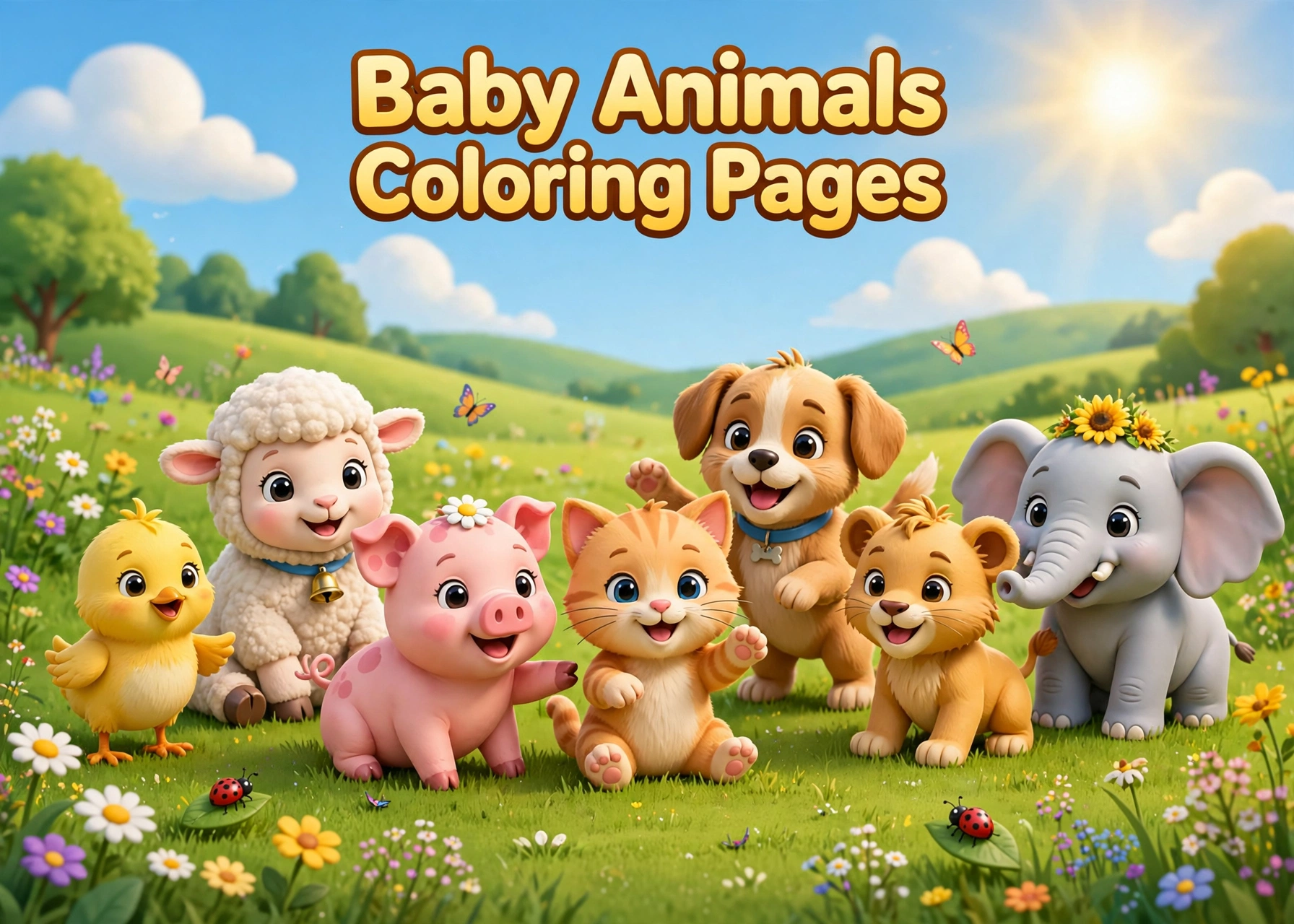
Baby Animals Coloring Pages bring the charm of young animals into a fun creative activity for children. With familiar features and adorable details, these printable designs invite kids to explore the animal world through colors, imagination, and simple artistic choices.
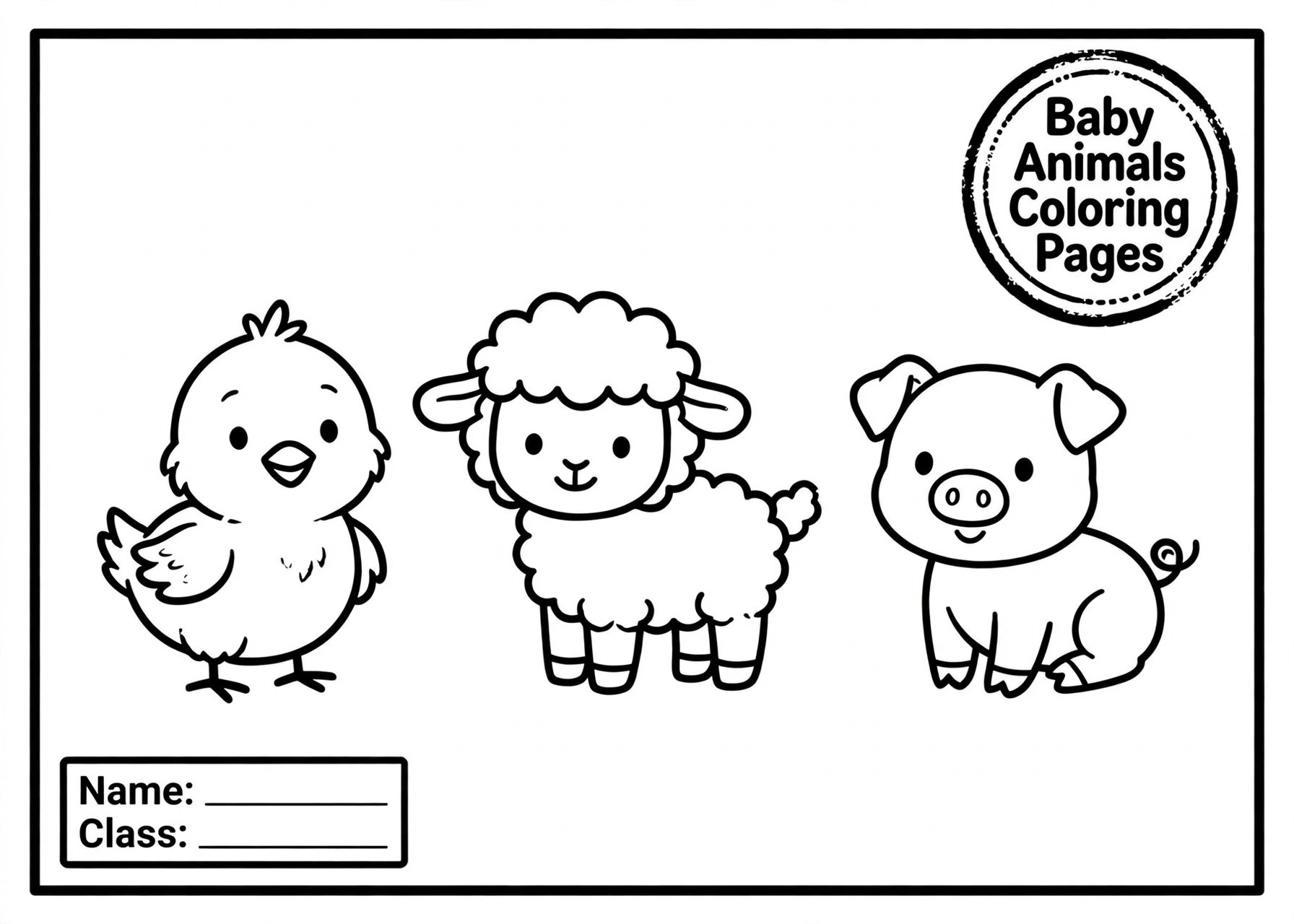
Discover the Charm of Baby Animals Through Coloring
Baby animals have a special appeal because their small bodies, gentle expressions, and playful appearances make them easy for children to enjoy. A young animal can look curious, sleepy, shy, or ready to explore its surroundings. These little details give each illustration its own personality, even when the drawing uses simple shapes and clear outlines. Coloring such pictures allows children to spend time with familiar creatures while deciding how they want each one to look.
The baby animal theme also offers plenty of variety. Children may enjoy coloring familiar farm animals, such as lambs, calves, piglets, and chicks, or imagine the lives of wild animals like lion cubs, elephant calves, and baby monkeys. Each type has recognizable physical features that can inspire different color combinations. A chick might be yellow, while a young elephant could be gray with slightly darker ears. These natural references provide a starting point without limiting children’s creativity.
Explore Different Types of Baby Animal Coloring Pages
One enjoyable way to choose a design is to think about the animal group that interests the child. Farm animals are often a comfortable starting point because children may already recognize them from storybooks, toys, or visits to rural areas. A little lamb, for example, can be colored with soft cream shades, while a piglet might have pink skin and a lighter snout. Chicks, ducklings, and baby goats offer other possibilities for experimenting with familiar animal colors.
Wild baby animals introduce a different kind of visual discovery. Lion cubs, young bears, baby giraffes, and elephant calves have distinctive shapes that make them interesting subjects for coloring. Children can pay attention to details such as spots, stripes, rounded ears, paws, trunks, and tails. These features also provide opportunities to talk about how young animals resemble their parents. A simple coloring session can naturally become a conversation about where different animals live and what makes each species unique.
Baby pets are another appealing subject, particularly for children who enjoy cats and dogs. A kitten may have pointed ears, a small nose, and a fluffy tail, while a puppy can be imagined with floppy ears or a playful expression. Children can choose realistic coat patterns or invent unusual combinations inspired by their favorite toys and fictional characters. For a related nature-themed activity, families can also explore the lily pond designs and create a colorful setting inspired by flowers and peaceful outdoor scenery.
Simple Coloring Ideas for Little Animal Illustrations
Baby animal illustrations are a good opportunity to practice coloring within recognizable shapes. Children can begin with the largest area, such as the animal’s body, before moving to smaller features like the ears, eyes, nose, and feet. Using a light touch with crayons or colored pencils can help keep the color even across larger spaces. For younger children, choosing just two or three main colors may make the activity feel more manageable.
Natural colors are a useful reference, but they do not need to be followed exactly. A brown bear cub could have a lighter muzzle, while a baby rabbit might be white, gray, tan, or a combination of these shades. Children can also experiment with patterns, such as adding gentle patches to a puppy or small spots to a young deer. The important part is to let each child make choices rather than expecting every finished picture to look identical.
Backgrounds can add another layer of creativity when the illustration leaves room for extra details. A farm animal might be surrounded by grass, flowers, or a simple fence. A wild animal could be placed near trees, rocks, or leafy plants, while a kitten might appear beside a cushion or a small toy. These additions are optional coloring ideas, so children can keep the focus on the animal if they prefer a simpler picture.
Make Coloring Time More Engaging with Animal Facts
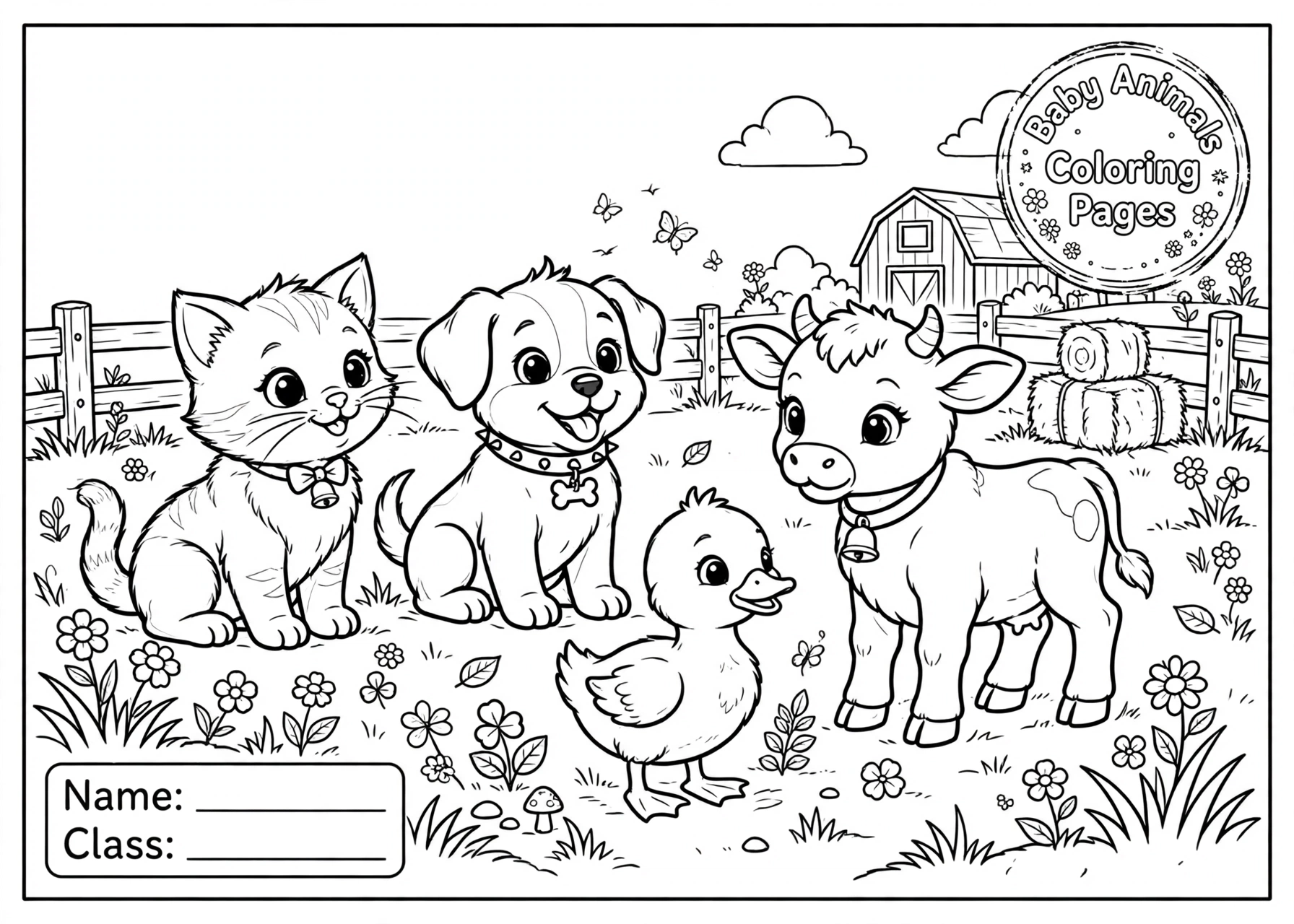
Coloring can also provide a natural starting point for introducing interesting facts about young animals. While working on a duckling, parents or teachers might explain that baby ducks are covered in soft down feathers. A picture of a lion cub can lead to a discussion about how young lions grow up within a pride. When coloring an elephant calf, children can learn that young elephants stay close to their mothers and other members of their family groups.
These conversations do not need to interrupt the creative process. An adult can share one short fact while the child chooses a color or adds a background detail. Children may then describe what they notice in the illustration, such as the animal’s ears, feet, or body shape. This approach keeps the activity relaxed and connects the picture with the real world without turning coloring time into a formal lesson.
For children who enjoy imaginative creatures alongside familiar animals, another creative theme worth exploring is kawaii dragons. Their playful fantasy appearance offers a different direction for children who like inventing colors and personalities for the characters they decorate.
Choosing Coloring Tools for Different Details
The choice of coloring materials can influence how children approach a baby animal picture. Crayons are practical for filling larger areas, including rounded bodies and broad backgrounds. Colored pencils are useful when children want to add smaller details, such as fur patterns, whiskers, feather textures, or subtle color changes. Washable markers can create bright, noticeable areas, although children should use them carefully to avoid unwanted marks on clothing and nearby surfaces.
For a more interesting result, children can combine two shades within one area. A light brown base with darker brown patches can give a puppy a distinctive coat, while pale gray and darker gray can make an elephant look more detailed. They can also leave small areas uncolored to represent highlights on the animal’s eyes or nose. There is no need to introduce complicated shading techniques; even a few thoughtful color choices can make a simple illustration feel personal.
Enjoy Baby Animals Coloring Pages at Home or in the Classroom
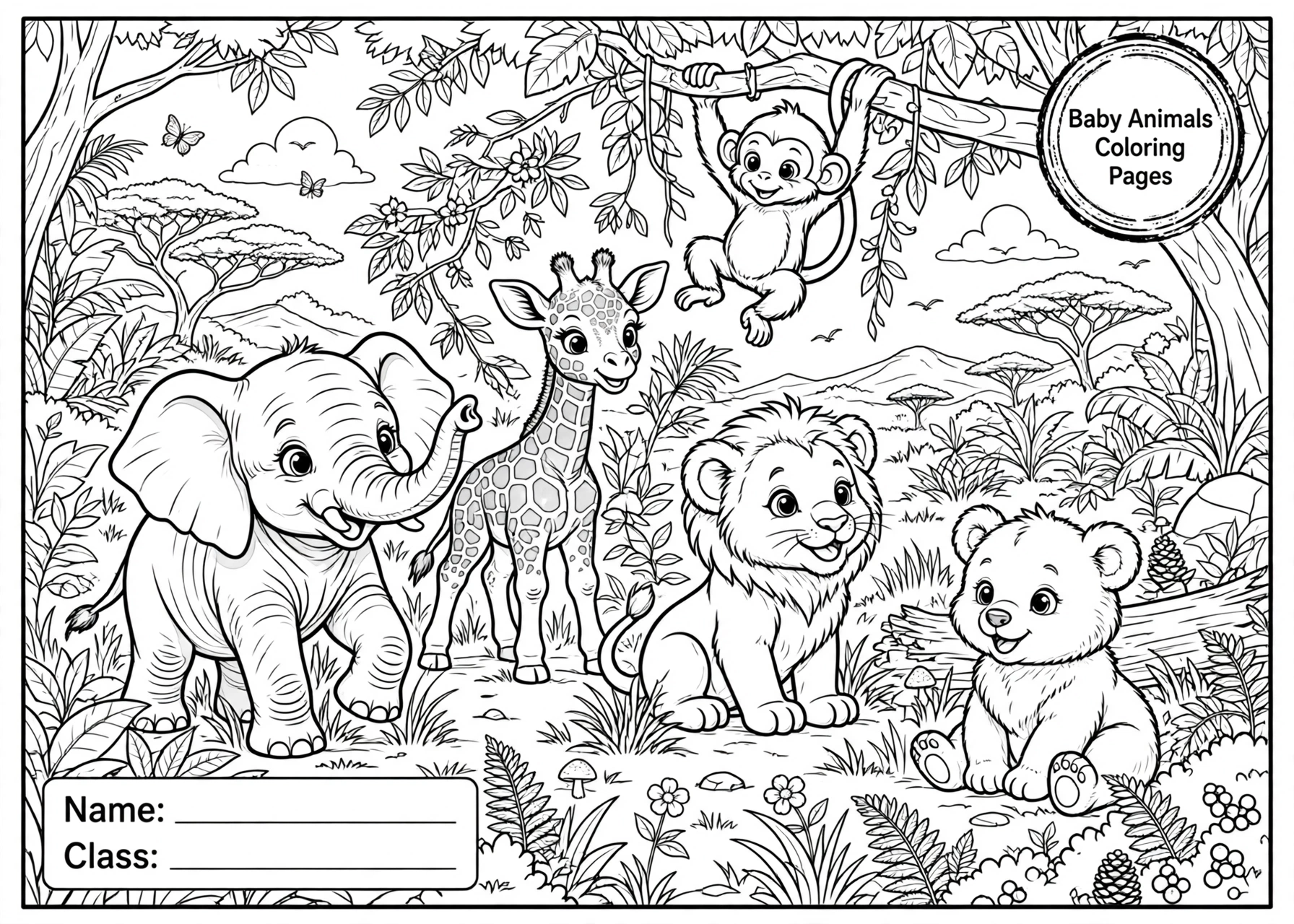
Baby Animals Coloring Pages can fit easily into different creative settings. At home, parents can offer a picture during a quiet afternoon, a rainy day, or a weekend art session. Teachers and caregivers can include animal-themed coloring as part of a broader classroom activity about pets, farm life, or wildlife. Children can work independently or share their finished pictures with friends and family members.
Before printing a selected design, check the print preview to make sure the illustration is positioned properly on the page. Choose paper that works with the coloring materials available, especially if children prefer markers or heavier coloring techniques. Providing a flat surface, a few coloring tools, and enough time to finish the picture can make the experience more comfortable.
Families and educators can also invite children to give their colored animals names or invent a short story about where they live. One child might imagine a playful puppy meeting a curious kitten, while another creates a story about a lion cub exploring the grassland with its family. These small storytelling ideas add a personal element to the finished artwork and encourage children to look more closely at the animals they have colored.
With their familiar shapes, varied animal features, and room for imaginative color choices, baby animal illustrations offer an enjoyable subject for children’s art activities. Every finished picture can reflect a different idea, from realistic animal coats to cheerful fantasy-inspired designs. Parents, teachers, and caregivers can use these coloring activities to bring a little creativity and animal discovery into everyday learning and play.
