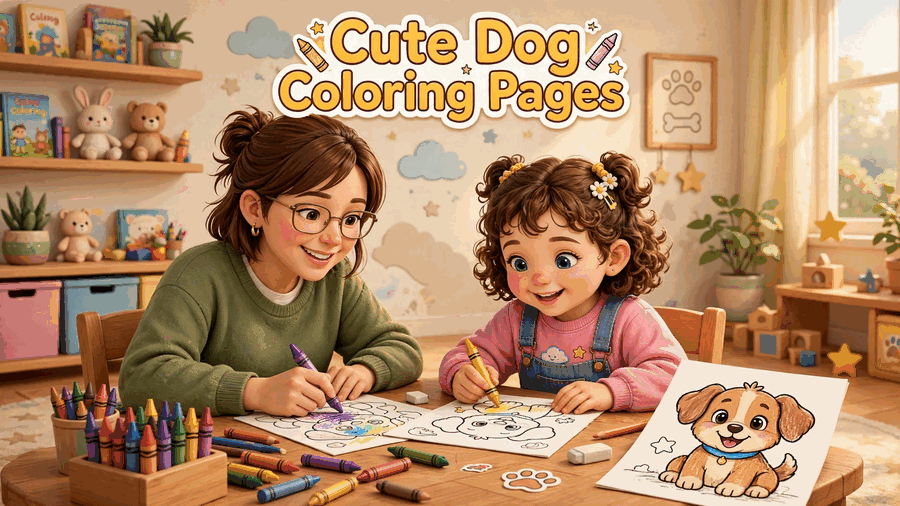
Cute Dog Coloring Pages bring cheerful puppies, playful expressions, and creative possibilities to children’s art time. These printable coloring activities invite young artists to explore their favorite dog colors while enjoying a relaxing and imaginative experience.
Why Dogs Make Such Charming Coloring Subjects
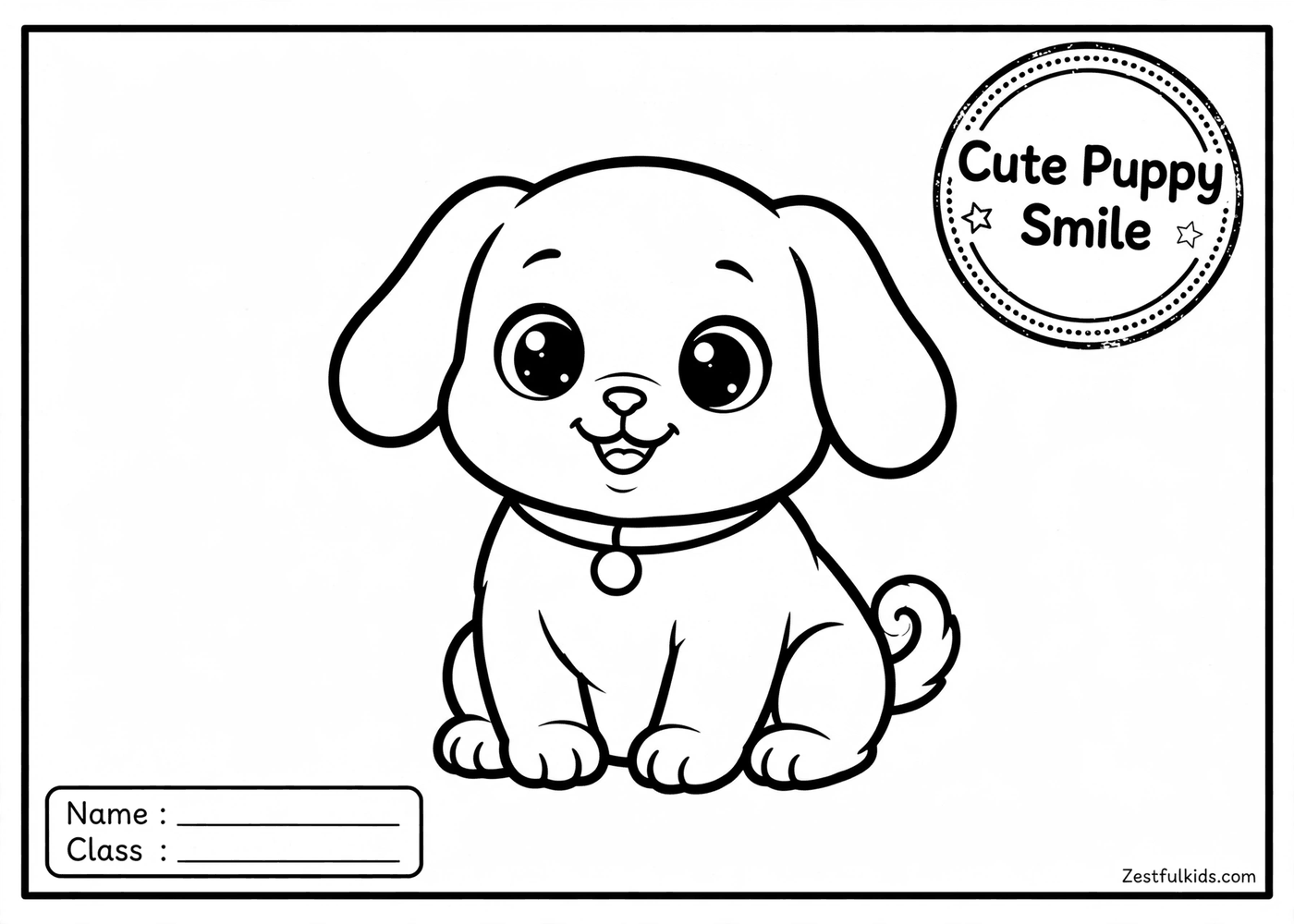
Dogs have a special place in children’s hearts. Their wagging tails, floppy ears, curious noses, and friendly faces make them appealing subjects for coloring activities. From tiny puppies to fluffy family pets, dogs offer plenty of visual details that children can enjoy bringing to life with their favorite colors.
Unlike some animals with highly distinctive patterns or unusual body shapes, dogs come in many different appearances. A child can imagine a golden puppy, a spotted Dalmatian, a brown dachshund, or a white fluffy dog. This variety makes dog-themed coloring pages particularly inviting because there is no single correct way to color them.
Cute Dog Coloring Pages also give children the freedom to create their own versions of familiar animals. A puppy might have purple ears, a blue nose, or a rainbow-colored tail. These playful choices encourage personal expression without requiring children to follow realistic color combinations.
Exploring Different Dog Features Through Coloring
One enjoyable aspect of dog coloring is noticing the small details that make each animal look different. Children can pay attention to the shape of the ears, the length of the tail, the texture of the fur, and the expression on the dog’s face.
Long floppy ears may inspire soft brown or golden shades, while pointed ears can be colored with contrasting tones. A dog’s nose and eyes are usually small areas that benefit from careful coloring, especially when children want to keep the facial expression clear.
Fur can also become an interesting coloring challenge. Instead of filling the entire body with one color, children may choose two or three related shades to create a simple pattern. For example, a light brown puppy could have darker brown ears and a cream-colored belly.
These choices help make each finished picture feel personal. Even when two children color the same dog illustration, their finished artwork may look completely different.
Choosing Colors for a Cute Puppy
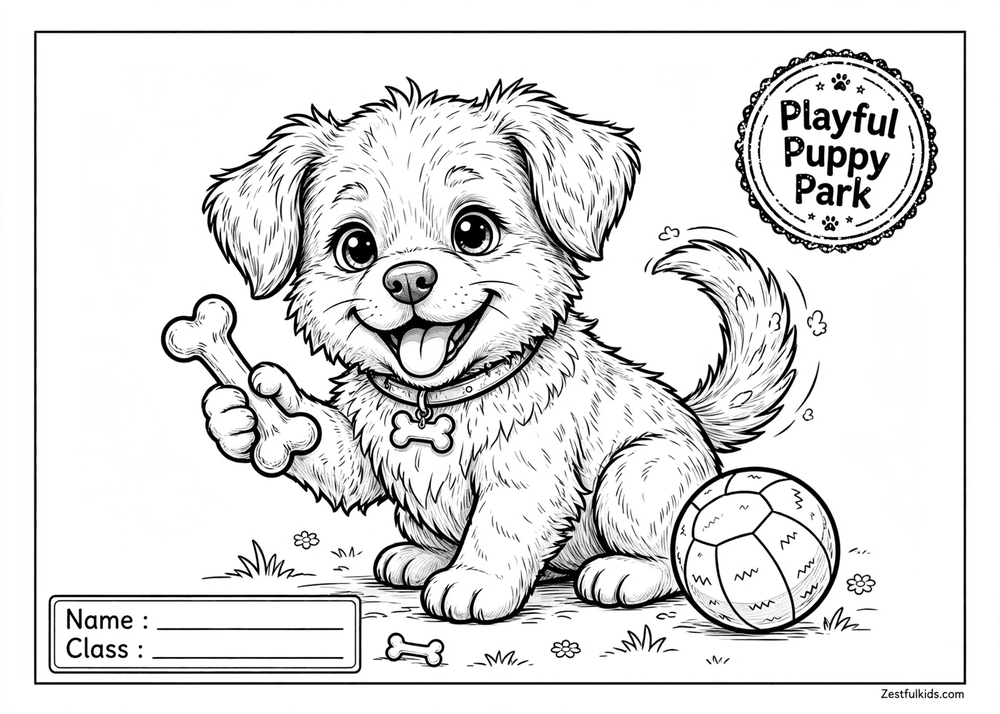
There are many ways to approach a dog coloring activity, depending on the child’s mood and imagination. Some children enjoy choosing colors that resemble real dogs, while others prefer bright combinations that turn an ordinary puppy into a playful fantasy character.
Here are a few ideas to try:
- Natural puppy colors: Use tan, cream, brown, black, or white to create a familiar dog appearance.
- Fluffy pastel dogs: Try light pink, pale blue, lavender, or mint green for a gentle and imaginative look.
- Spotty dogs: Add contrasting patches to the body, ears, or tail when the illustration allows.
- Rainbow puppies: Choose several bright colors and use them in different sections of the dog’s fur.
- Seasonal color themes: Use warm orange and brown shades for an autumn-inspired picture or red and green for a festive design.
Children do not need to finish every section in one sitting. They can start with the dog’s face, move to the body, and leave the background for another moment.
Making the Background Part of the Picture
A dog can become the center of a larger imaginary scene. When the illustration includes a background, children may enjoy thinking about where the dog could be and what it might be doing.
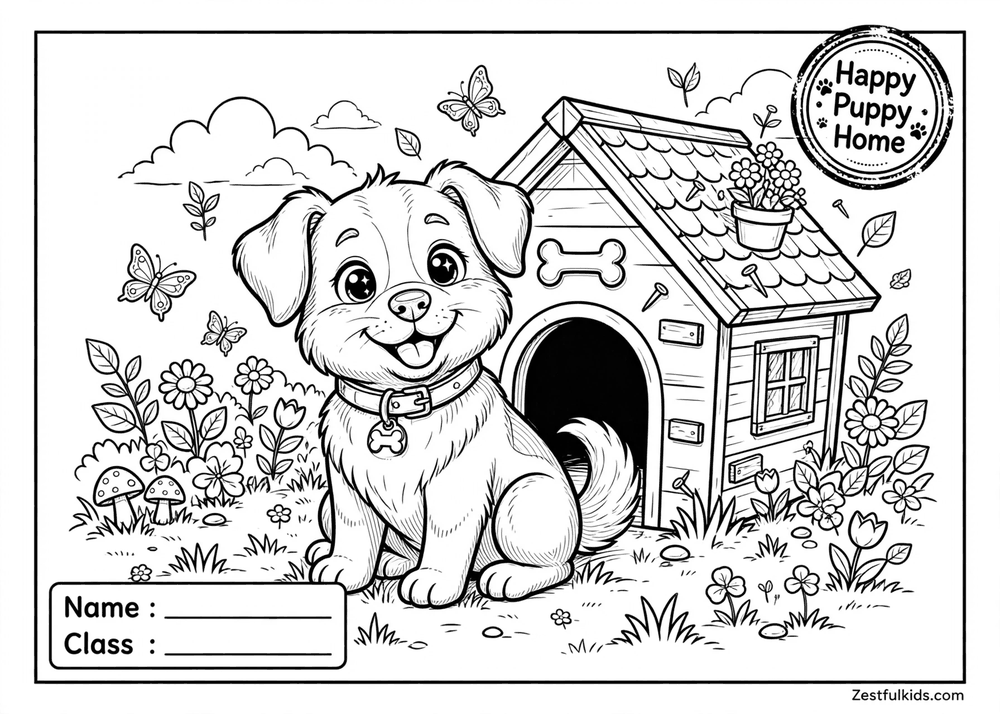
A grassy yard can be colored with different shades of green. A sunny sky might use light blue, while a garden setting could include colorful flowers. If the picture features a dog outdoors, children can choose colors that make the setting feel warm and inviting.
For illustrations without a background, children can create their own simple setting around the dog. They might draw a doghouse, a ball, a food bowl, or a few paw prints on a blank sheet of paper.
This optional activity gives the coloring page a second purpose. After coloring the main subject, children can add their own details and turn the picture into a small story.
Creative Activities to Try With Dog Coloring Pages
Coloring does not have to end when the last section of the illustration is filled. Parents, teachers, and caregivers can introduce small activities that make the experience more engaging without turning it into a complicated lesson.
One idea is to invite children to give their colored dog a name. They can imagine what the dog likes to eat, where it sleeps, or which toy it enjoys playing with. Younger children may simply describe the puppy, while older children can write a few sentences about its adventures.
Another activity is to create a dog color collection. Children can color several dog illustrations using different themes, such as realistic pets, fantasy puppies, or dogs with unusual patterns. The finished pictures can be displayed together to create a cheerful collection of animal artwork.
For a group activity, each child can choose a different color palette. When everyone finishes, the pictures can be placed side by side to show how different coloring choices change the appearance of the same subject.
Choosing Coloring Tools for the Best Experience
The right coloring tools depend on the child’s preferences and the type of paper being used. Crayons are a comfortable option for younger children because they are easy to hold and provide broad coverage. Colored pencils allow children to work on smaller details, such as eyes, noses, and patches of fur.
Markers can create bright, bold colors, particularly when children want their puppy to stand out. However, it is useful to check whether the paper is thick enough to prevent ink from showing through.
Before printing a coloring activity, parents and teachers can check the print preview to make sure the illustration fits comfortably on the page. A clear outline makes it easier for children to identify different parts of the dog and decide where each color belongs.
The goal is to make the activity enjoyable rather than perfect. Children can experiment with different tools and discover which ones suit their coloring style.
Bringing Animal-Themed Creativity Into Everyday Play
Dog coloring activities can also connect naturally with other creative interests. Children who enjoy vehicles might like exploring <a href=”https://zestfulkids.com/cartoon-motorcycle-coloring-pages/“>cartoon motorcycle coloring pages</a>, where playful designs offer a different subject for imaginative coloring.
For children who prefer animals with a quieter appearance, <a href=”https://zestfulkids.com/owl-coloring-pages/“>owl coloring pages</a> provide another opportunity to explore feathers, patterns, and different color combinations.
These activities can be offered as part of a small coloring collection at home or in a classroom. Children may choose the subject that interests them most, allowing each coloring session to feel fresh and enjoyable.
Cute Dog Coloring Pages are a simple way to bring familiar animals into children’s creative routines. With friendly dog illustrations, imaginative color choices, and opportunities to add personal details, every finished picture can become a unique piece of artwork.
