Panda Coloring Pages bring the gentle charm of these black-and-white bears to a creative activity that children can enjoy at home, in the classroom, or during a quiet afternoon. With their rounded ears, dark eye patches, sturdy bodies, and distinctive markings, pandas are easy to recognize and fun to color in different ways. Children can follow the familiar black-and-white pattern or experiment with imaginative colors to create their own playful versions. Parents and teachers can use these printable coloring activities to introduce pandas, encourage artistic expression, and start simple conversations about wildlife. Whether a child prefers a realistic animal portrait or enjoys imagining a panda surrounded by bamboo, the theme offers plenty of room for personal choices. Panda Coloring Pages can also become part of a broader animal-themed activity, combining drawing, storytelling, and observation. By paying attention to the panda’s unique features, children can turn an ordinary coloring session into an enjoyable opportunity to explore nature through art.
Discover What Makes Pandas Fun to Color
Pandas have a recognizable appearance that makes them particularly appealing for coloring activities. Their white faces, black ears, dark patches around the eyes, and black limbs create a natural contrast that children can explore with crayons, colored pencils, or markers. These markings provide a useful starting point for young artists who are learning to notice shapes and details. Instead of rushing to fill every space, children can look carefully at the outline and decide which areas should remain white and which should be colored black.
The panda’s body also offers several interesting shapes to work with. Rounded cheeks, short legs, and a broad belly can make the animal look cuddly, while its small eyes and ears give the face a distinctive expression. Some children may prefer a simple design with a large panda in the center, while others may enjoy adding grass, leaves, or other details around the animal. The best approach is to let each child work at a comfortable pace and make choices that suit their artistic style.
Choosing a Panda Coloring Design
Different illustration styles can provide different kinds of coloring experiences. A simple panda outline may suit children who enjoy filling large spaces without dealing with many small details. More detailed illustrations can appeal to children who want to spend extra time coloring bamboo leaves, facial markings, or scenery. Since every child has different preferences, it helps to choose a design based on the amount of detail they feel comfortable handling rather than their age alone.
Consider these creative possibilities when selecting or using a panda-themed printable:
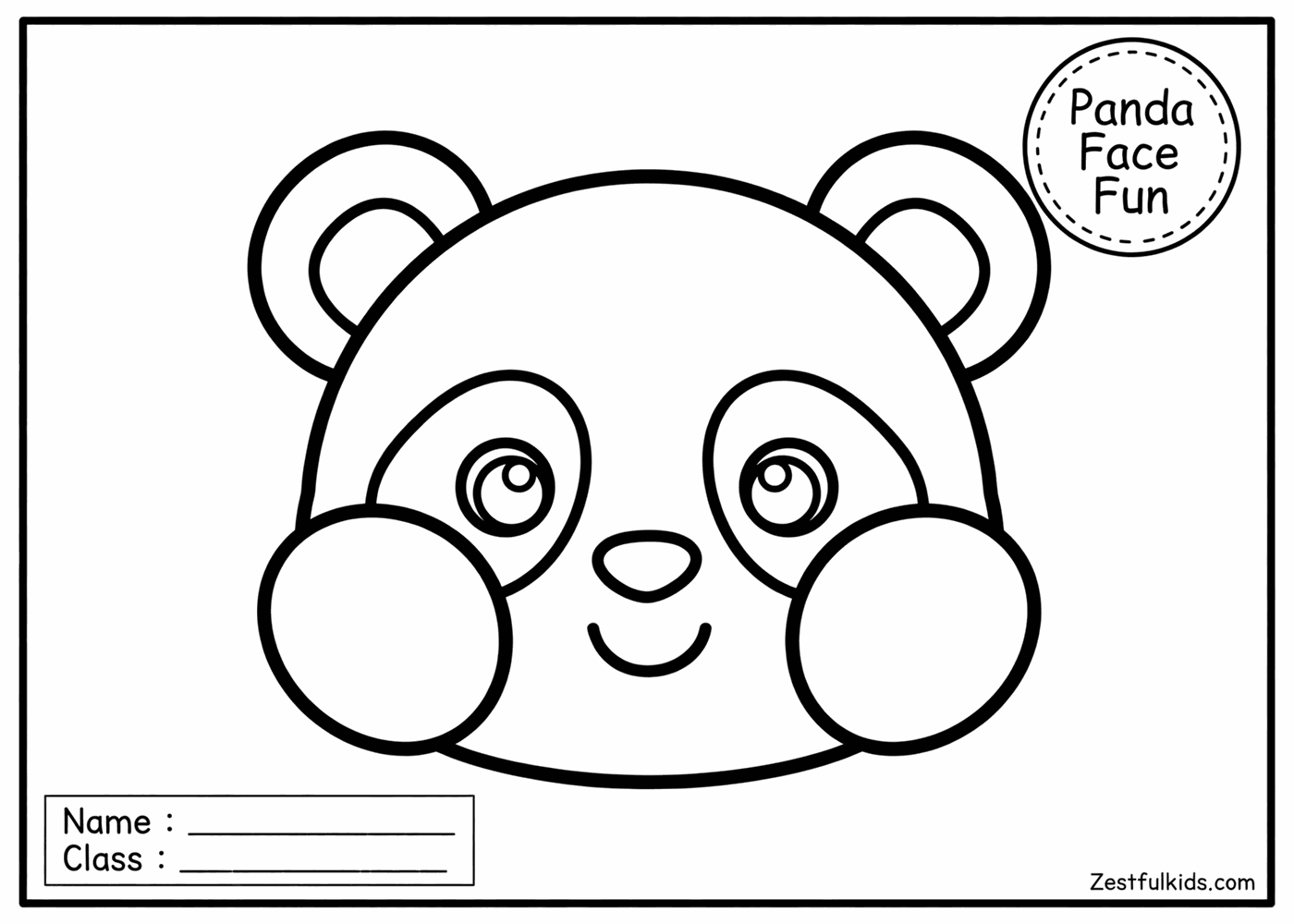
- A close-up panda face: Focus on the ears, eyes, nose, and characteristic dark patches.
- A full-body panda: Explore the contrast between the black limbs and the white body.
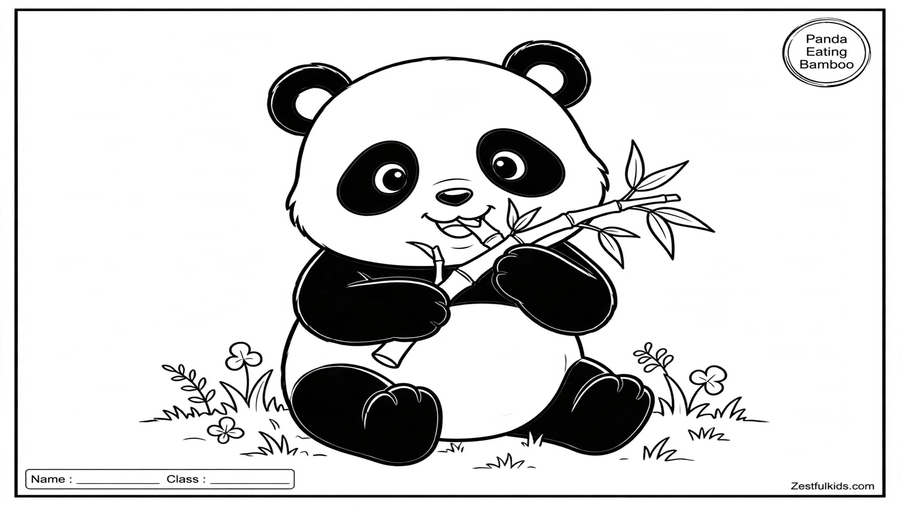
- A panda eating bamboo: Add shades of green to the leaves and stems.
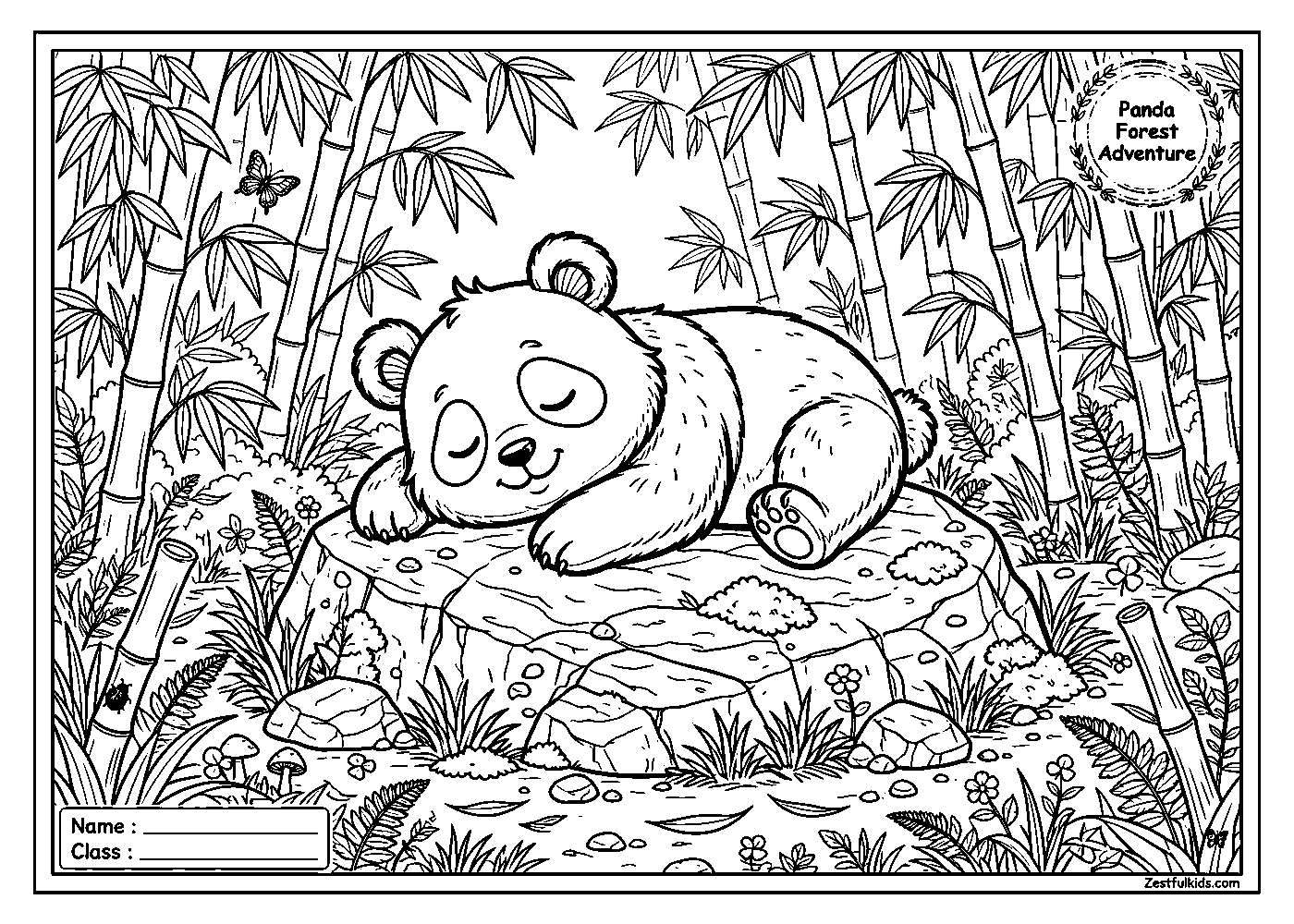
- A panda resting outdoors: Create a natural setting with grass, rocks, and leafy plants.
- A playful cartoon panda: Experiment with pastel shades, colorful backgrounds, or imaginative accessories.
These are ideas for choosing or extending the theme, not a guarantee that every design contains these features. Allowing children to choose the illustration themselves can make the activity more engaging and give them a stronger sense of ownership over their finished work.
Color Ideas for a Natural or Imaginative Panda
Traditional panda coloring begins with black and white, but those two colors do not have to be the entire palette. A soft gray pencil can help children add gentle shading to the white fur, particularly around the belly, cheeks, and outer edges of the body. Black areas can be filled evenly, while small white spaces around the eyes and nose can be preserved according to the illustration’s outlines. Encouraging children to observe the original pattern helps them understand how contrasting colors make an animal recognizable.
The background provides another opportunity to explore color. Bamboo can be painted in light or dark green, while the ground might include several shades of grass. Pale blue can suggest the sky, and brown or gray can be used for rocks, tree trunks, or soil if these elements are included in the picture. Children do not need to use every suggested color; a limited palette can make the main subject stand out clearly.
For a more imaginative result, children can create a fantasy panda with purple ears, a blue belly, or rainbow-colored surroundings. This approach works especially well when the purpose is creative expression rather than realistic animal observation. Parents and teachers can invite children to explain their choices, turning the finished picture into a small storytelling activity. A panda with a yellow scarf, for example, might be preparing for a winter adventure or visiting a colorful bamboo forest.
Turn Panda Coloring into a Wildlife Discovery Activity
Coloring can provide a natural starting point for learning a few facts about pandas. Giant pandas are native to China, where they live in mountainous forest habitats with plenty of bamboo. Although they belong to the bear family, bamboo makes up most of their diet. These details can help children connect the animal in the illustration with the real world.
During the activity, adults can point out the panda’s distinctive markings and explain why its appearance is easy to recognize. Children might compare the black patches around the eyes with the ears and limbs, then identify the differences between the panda and other bears they have seen in books or photographs. For younger children, a simple conversation about what pandas eat and where they live is enough to add context without interrupting the creative process.
The activity can also lead to a small nature-themed project. After coloring, children can draw a few bamboo stems beside their panda or create a separate picture of a forest habitat. Families who enjoy exploring other nature-inspired designs may also like these lily pond illustrations, which offer a different setting for creative work. Together, the pictures can become part of a homemade collection of plants, animals, and natural environments.
Practical Tips for a Comfortable Coloring Session
A suitable workspace can make coloring easier and more enjoyable. Place the printed sheet on a flat table with enough room for coloring materials, an eraser, and scrap paper for testing colors. Crayons are useful for covering larger spaces, while colored pencils offer more control around the panda’s facial markings and smaller details. Washable markers can produce strong colors, although placing a spare sheet underneath the illustration can help protect the table if ink passes through the paper.
Before printing, check the document’s available print settings and use the preview to make sure the illustration fits the page as intended. Paper size and layout should follow the specifications of the particular file rather than assumptions about every printable. If the image appears too close to an edge or looks cropped, review the scaling and margin settings before printing another copy.
It is also helpful to let children decide when their pictures are finished. Some may want to fill the entire background, while others will prefer to focus on the panda itself. Neither approach needs to be corrected if it reflects the child’s intention. Adults can offer suggestions when requested, but leaving room for independent choices makes the activity feel personal rather than like a drawing exercise with a single correct result.
Extend the Activity with Drawing and Storytelling
Once the panda has been colored, invite children to give the animal a name and imagine what it might do during the day. It could be looking for bamboo, exploring a forest path, or resting after a meal. Children can describe their ideas aloud or write a few simple sentences beside the picture if they enjoy writing. These additions turn a single illustration into a small creative project that combines visual art with imagination.
Another option is to build a collection of pictures featuring different vehicles, animals, and outdoor scenes. Children who enjoy switching between subjects might add a mini bus illustration to their collection and create a story about traveling to a wildlife park. They could imagine where the passengers are going, what animals they hope to see, and what the panda might be doing when they arrive.
Panda Coloring Pages offer a flexible way to combine familiar animal patterns, creative color choices, and simple wildlife discoveries. Whether children prefer a realistic black-and-white panda or an imaginative character with a colorful setting, the activity can be adapted to their interests and available materials. With a little space, a few coloring tools, and freedom to experiment, each finished picture can reflect the child’s own ideas about this distinctive animal.

