Zebra Coloring Pages offer a fun and exciting way for children to explore the animal kingdom while enjoying a creative activity. Zebras are fascinating animals known for their beautiful black-and-white stripes, long legs, and friendly appearance. With these coloring pages, children can bring their imagination to life by choosing colors, creating backgrounds, and adding their own artistic touches. This simple activity can also help develop fine motor skills, improve concentration, and encourage children to learn more about wildlife.
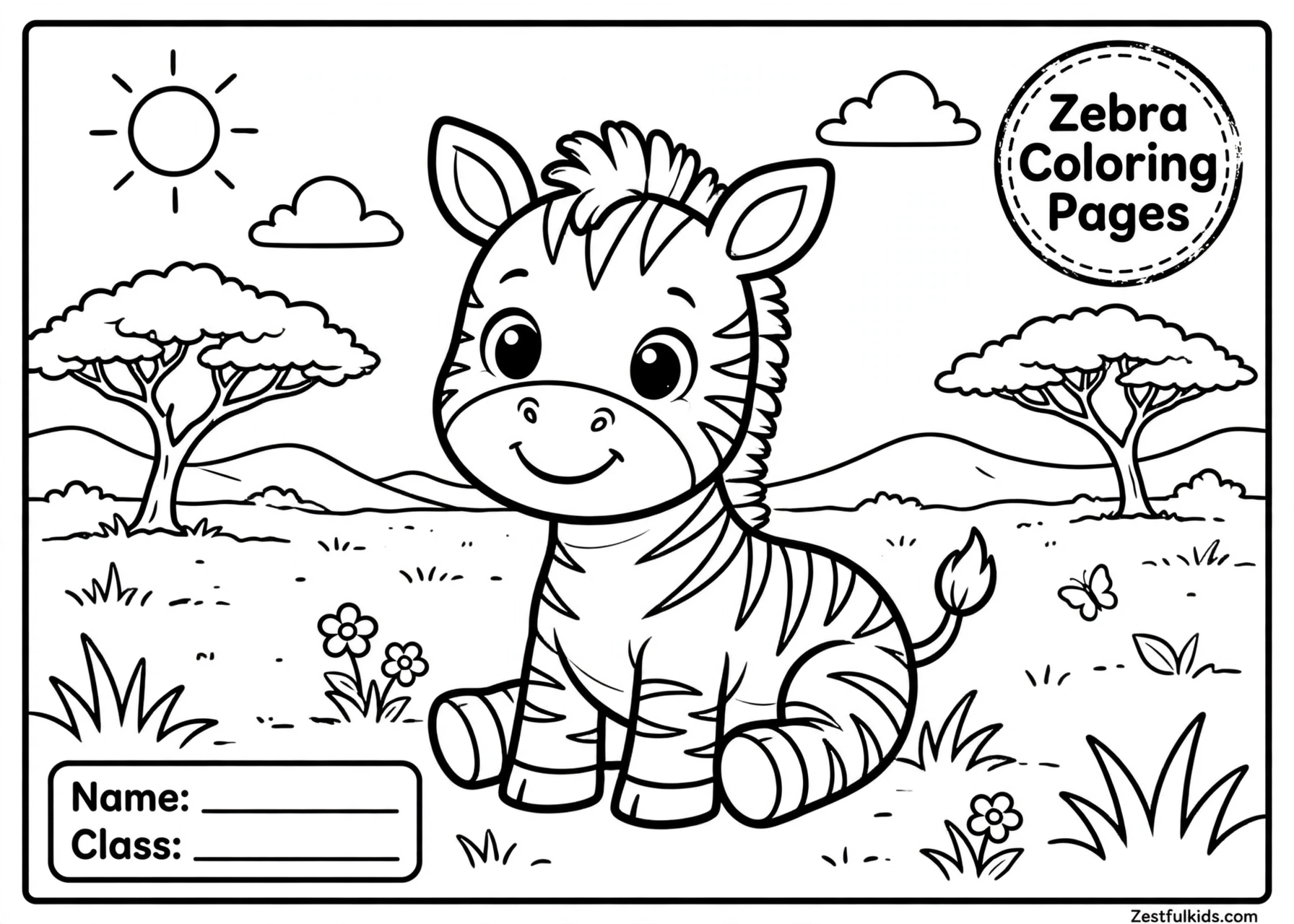
Meet the Zebra Through Fun Coloring Activities
Zebras are wild animals that belong to the horse family and are commonly found in the grasslands and savannas of Africa. Their most recognizable feature is their unique stripe patterns, which make every zebra look slightly different. Through Zebra Coloring Pages, children can discover what makes these animals special while practicing their coloring skills. Parents can also explain interesting facts about zebras, such as how they live in groups called herds and use their strong legs to run away from danger.
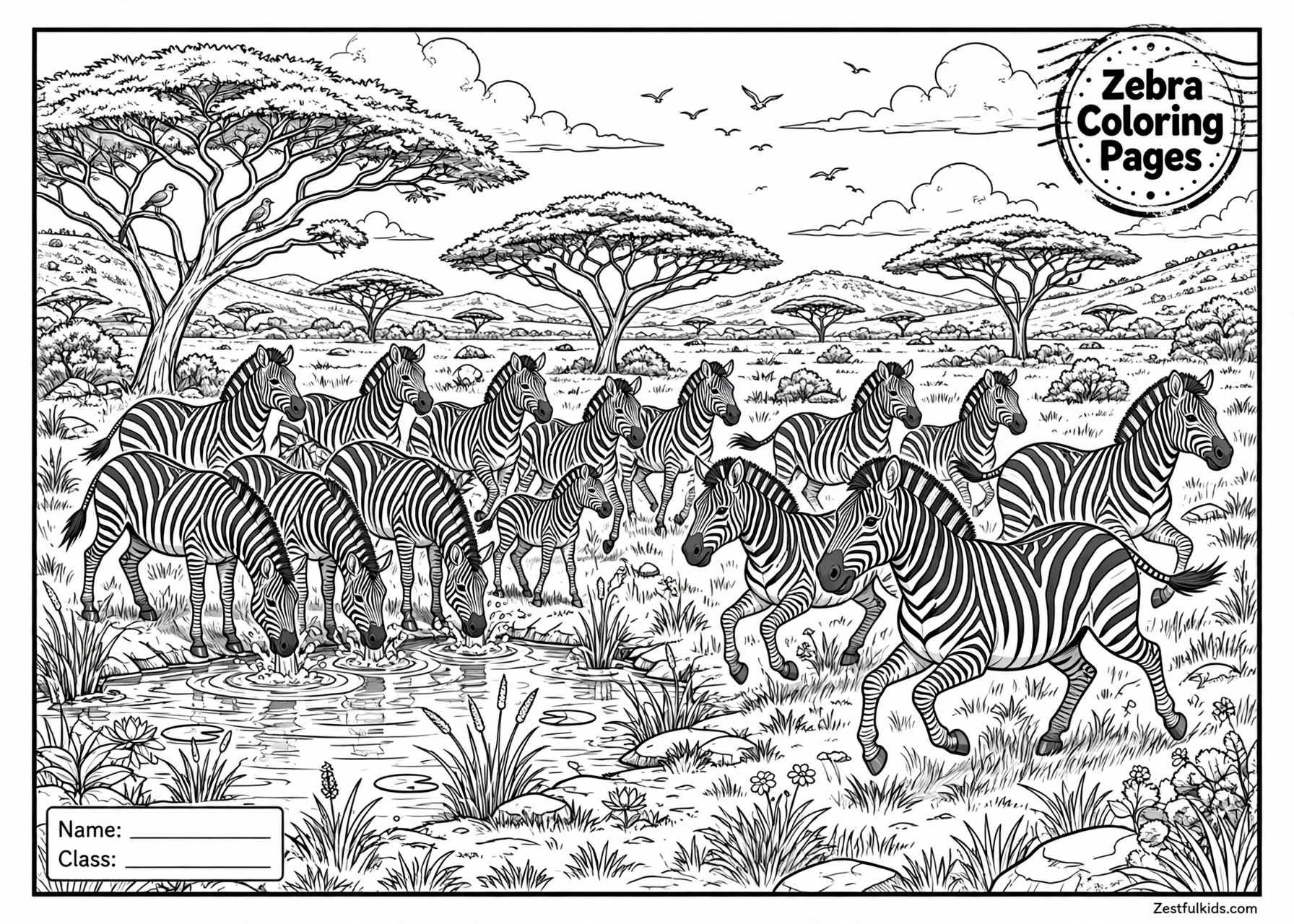
A zebra coloring sheet can feature a single zebra standing on the grass, a mother zebra walking with her baby, or a group of zebras drinking water near a river. Each illustration provides a different opportunity for children to explore shapes, patterns, and natural environments. Younger children may enjoy simple pictures with large spaces to color, while older kids can try more detailed drawings with trees, flowers, and other wildlife. These different designs make zebra coloring activities suitable for a wide range of ages and artistic abilities.
Why Children Will Love Zebra Coloring Pages
Coloring is more than just filling empty spaces with crayons or colored pencils. It allows children to make their own decisions, experiment with different shades, and express their personalities through art. Although zebras are famous for their black-and-white coats, children can use their imagination to create colorful fantasy zebras with blue, purple, pink, or rainbow stripes. This playful approach encourages creativity and helps children understand that art does not always have to follow realistic rules.
Parents can make the activity even more enjoyable by asking children to describe their pictures as they color. For example, they might ask where the zebra is going, what it likes to eat, or which animals might live nearby. These simple questions can encourage children to practice storytelling, build vocabulary, and communicate their ideas. If a child chooses unexpected colors for an animal or its surroundings, parents can use the opportunity to celebrate that creative choice rather than focusing only on accuracy.
For more ideas about encouraging artistic freedom, parents can explore Your Child Colored the Ocean Red? That’s Not a Mistake. This article offers a helpful perspective on how children can express themselves through color without always needing to follow the real-world appearance of objects. The same idea works beautifully with zebra coloring activities, where children can experiment with unusual patterns and imaginative color combinations. Giving children the freedom to create their own designs can make every coloring session more meaningful and enjoyable.
Explore Different Zebra Coloring Sheet Designs
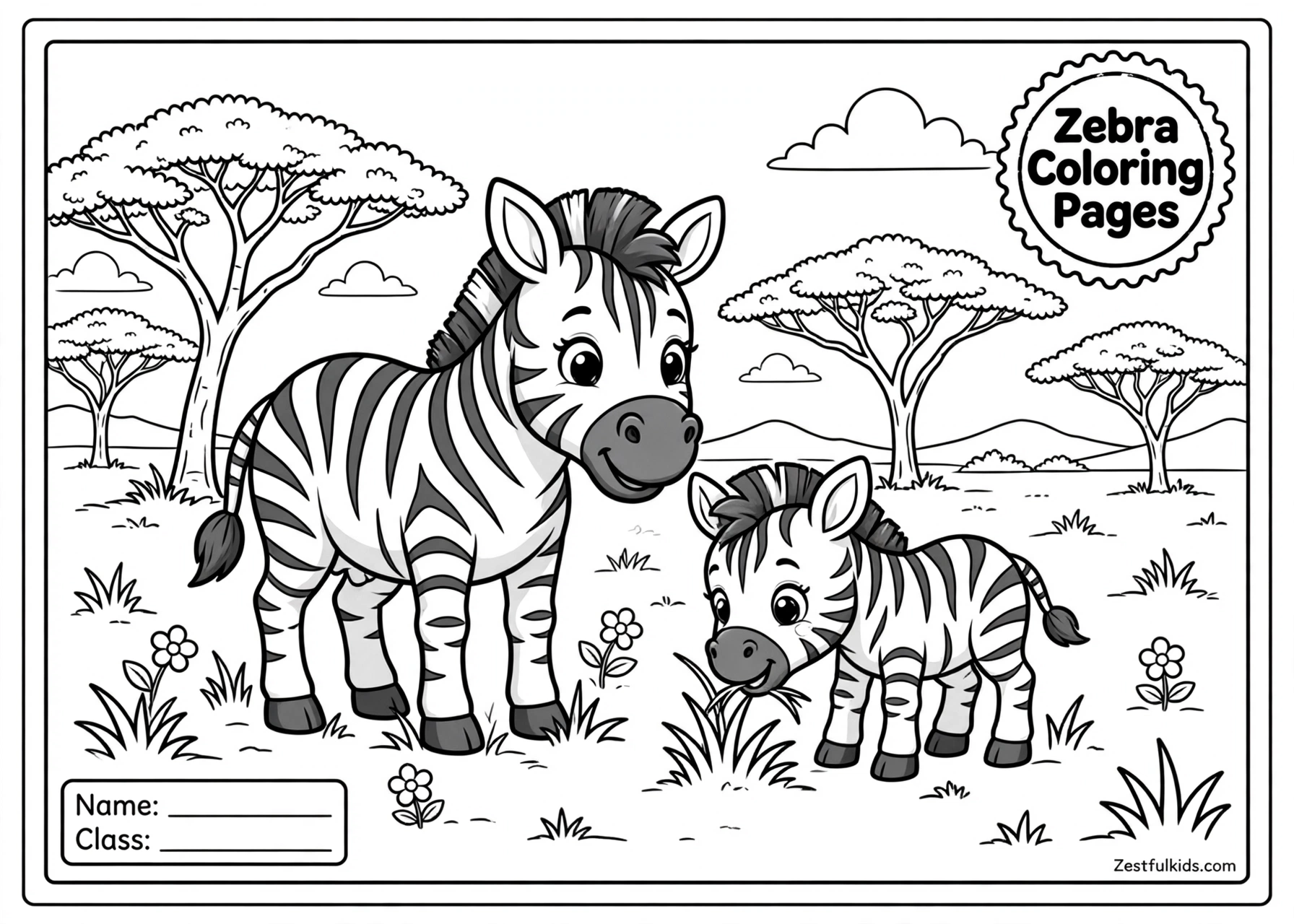
There are many ways to make Zebra Coloring Pages interesting for children with different interests. A simple zebra portrait is a great choice for beginners because it features clear outlines and easy-to-color spaces. Children who enjoy nature may prefer a zebra standing beneath a tree or walking across a wide grassland. For those who love animal families, a picture of a baby zebra staying close to its mother can provide a sweet and engaging coloring experience.
More detailed illustrations can introduce additional elements, such as birds flying overhead, butterflies near wildflowers, or distant mountains on the horizon. These backgrounds allow children to practice coloring several different objects while learning how animals interact with their surroundings. They can use green for the grass, blue for the sky, and brown for tree trunks while keeping the zebra’s familiar stripes in black and white. Alternatively, they can turn the entire scene into a colorful fantasy landscape filled with bright flowers and unusual shades.
Children who enjoy discovering different animals can also try other themed coloring activities. For a seasonal option, the Christmas Penguin Family Coloring Page offers a delightful opportunity to color penguins in a festive setting. Switching between wildlife illustrations and holiday-themed pictures helps keep creative activities fresh and exciting. It also gives children more opportunities to practice their skills with different animal shapes, backgrounds, and decorative details.
Learning About Zebra Stripes While Coloring
One of the most exciting parts of coloring a zebra is exploring its distinctive stripes. These patterns cover much of the animal’s body and extend across its head, neck, and legs. Children can carefully follow the black outlines and fill the stripes with dark colors, improving their hand control and attention to detail. They can also compare different zebra illustrations to notice how stripe patterns and body shapes may vary.
Parents and teachers can turn this activity into a simple learning game by inviting children to count the stripes on a picture or identify repeating patterns. Younger children can practice recognizing black and white, while older children can create their own stripe sequences using different colors. These small challenges introduce early mathematical concepts, including counting, comparison, and pattern recognition. Combining art with simple educational activities can help children learn naturally while keeping the experience enjoyable.
Zebras also provide an opportunity to introduce basic wildlife conservation topics. Children can learn that zebras are wild animals that need suitable habitats, access to food and water, and protection from threats in nature. Adults can explain these ideas in simple language and encourage children to appreciate animals without disturbing them in the wild. A coloring page may seem like a small activity, but it can become the starting point for meaningful conversations about the natural world.
Make Every Zebra Coloring Session More Creative
To get started, prepare crayons, colored pencils, washable markers, or any other coloring materials suitable for your child. Print a favorite Zebra Coloring Pages design and place it on a flat surface with enough room for comfortable drawing. Encourage children to take their time, color inside the outlines if they wish, and add extra details such as grass, clouds, flowers, or a bright sun. There is no need to rush, because the main goal is to enjoy the process and explore new ideas.
You can also turn coloring time into a shared family activity. Parents and children can choose different zebra pictures, compare their finished artwork, and talk about the details they included in each scene. One child might create a realistic zebra in an African grassland, while another imagines a magical zebra with colorful stripes and sparkling stars. Sharing these creations helps children feel proud of their work and learn to appreciate different artistic styles.
For a fun challenge, invite children to design a brand-new zebra character and give it a name, personality, and imaginary home. They might draw a playful zebra that loves running through flower fields or a sleepy baby zebra resting beneath a tree. Older children can add speech bubbles or write a few sentences about their character to combine coloring with early writing practice. With so many possibilities, Zebra Coloring Pages can become an enjoyable activity that inspires creativity, curiosity, and a lasting appreciation for animals.

