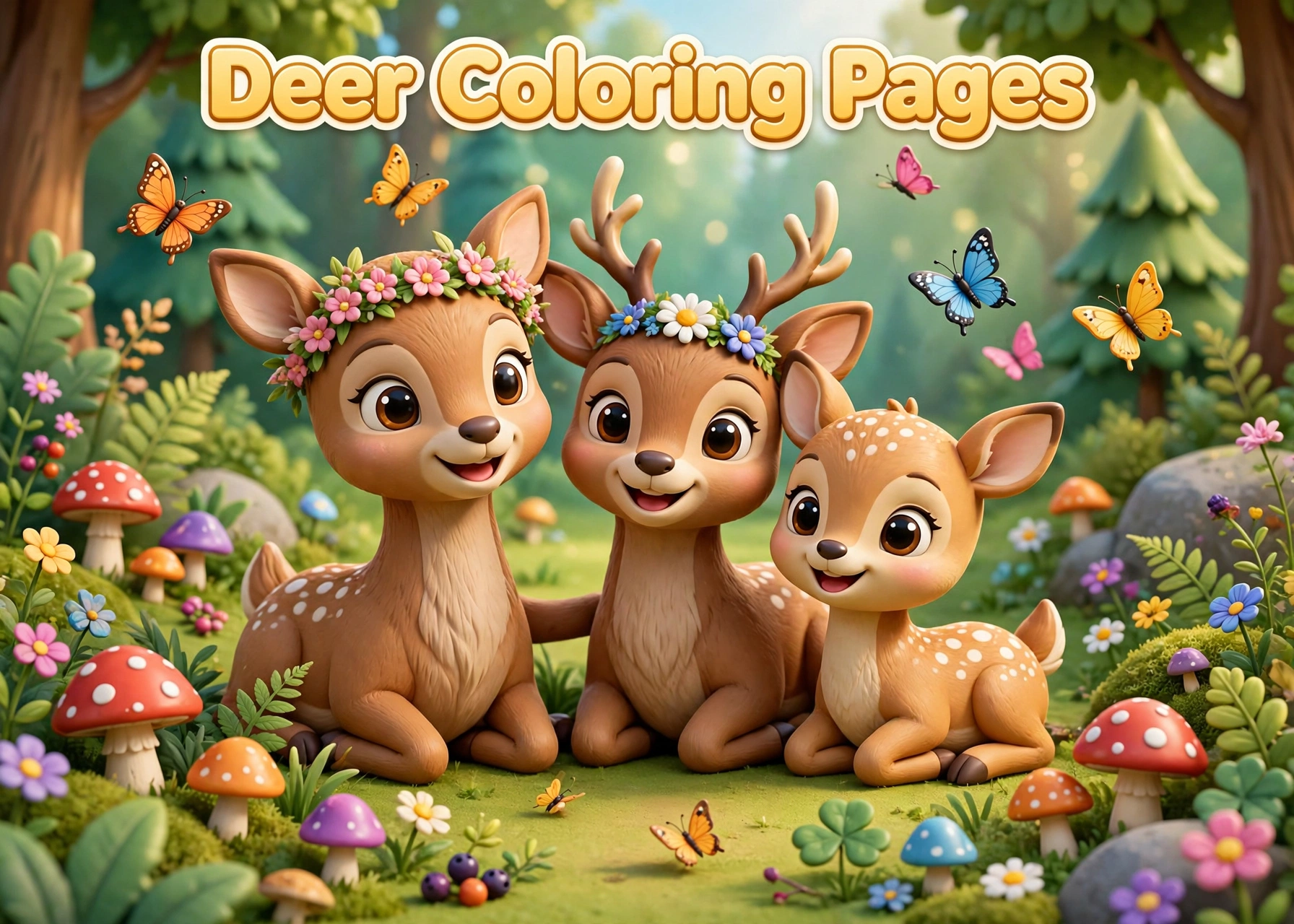
Deer Coloring Pages offer children a creative way to explore the graceful appearance of deer while enjoying a relaxing coloring activity. These printable designs can introduce young artists to woodland animals, nature, and imaginative outdoor scenes through simple artistic exploration.
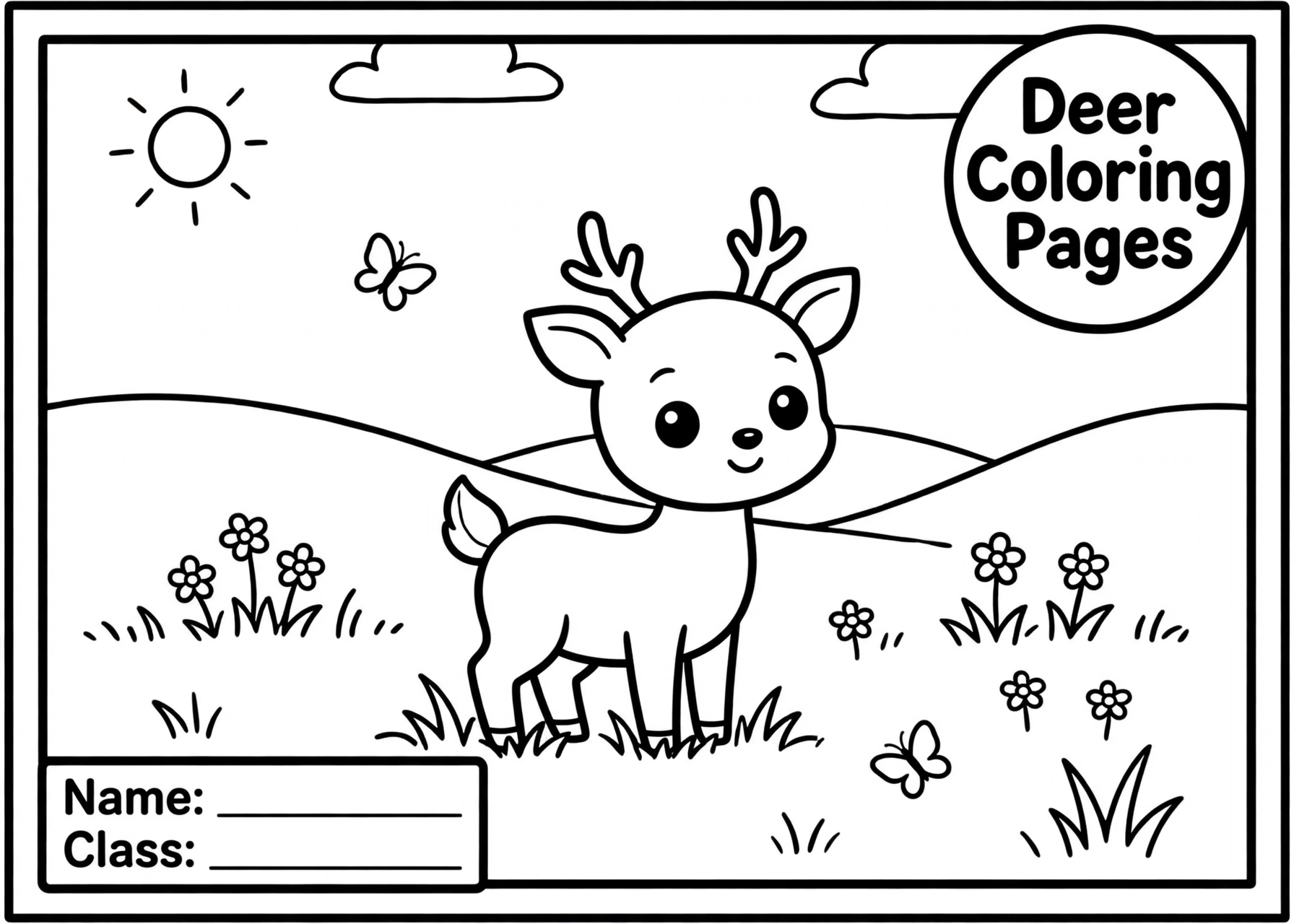
Discover the Natural Beauty of Deer
Deer are fascinating animals known for their slender legs, gentle appearance, and remarkable ability to move through forests and grasslands. Their bodies are often covered with brown, reddish-brown, or grayish fur, while some species have distinctive white markings. These natural features make deer an interesting subject for children who enjoy observing animals and bringing illustrations to life with different colors.
One recognizable feature of many deer species is their antlers. Male deer in several species grow antlers that develop and change over time, although not every deer has them. Reindeer are a notable exception because females can also grow antlers. Introducing these differences during a coloring activity gives parents and teachers an opportunity to share simple facts about wildlife without interrupting the fun.
Deer also live in different environments around the world. Some inhabit dense forests, others prefer open meadows, and certain species can be found in mountainous regions. Thinking about these habitats can inspire children to imagine where their illustrated deer might live and what kind of scenery would surround it.
What Makes Deer Coloring Pages Interesting for Children?
The appeal of deer illustrations comes from their distinctive shapes and natural characteristics. Their long ears, small noses, expressive eyes, and graceful bodies provide several details for children to explore while coloring. Depending on the illustration, young artists may also encounter antlers, spots, or other recognizable features.
Different deer species offer plenty of opportunities for creative interpretation. A white-tailed deer, for example, can inspire children to use warm brown shades and a lighter underside. A spotted fawn can be decorated with soft brown colors and small white patches, creating a familiar woodland appearance. Children can also experiment with imaginative colors if they prefer a more playful artistic result.
Another enjoyable aspect is the opportunity to create an environment around the animal. A deer might be imagined standing beneath tall trees, walking across a grassy meadow, or resting near a quiet forest clearing. These ideas can turn an ordinary coloring session into a small creative storytelling activity.
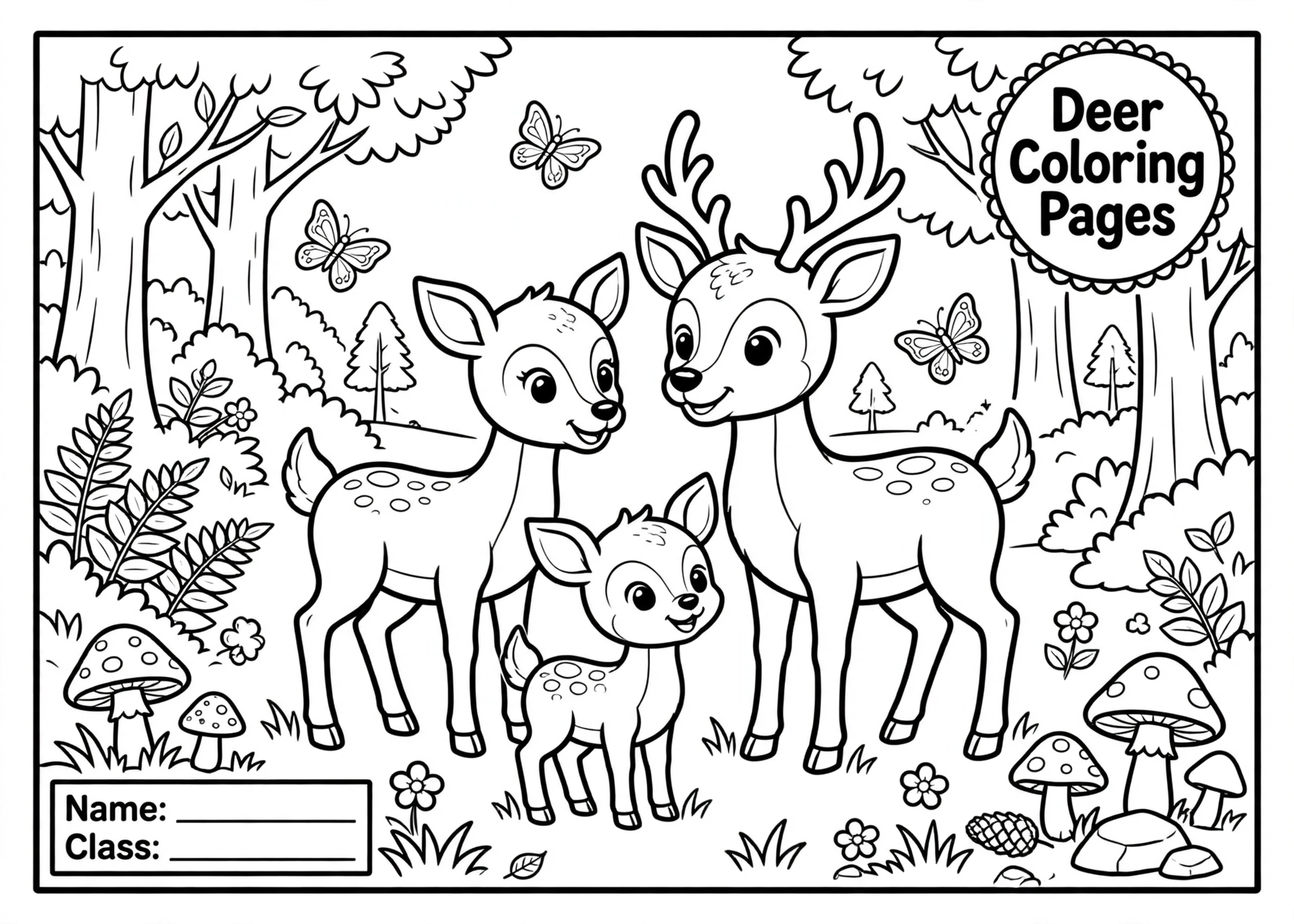
Choosing Colors for a Realistic Deer Illustration
Natural colors are a useful starting point for children who want their artwork to resemble real wildlife. However, there is no need to follow nature perfectly. The coloring process should leave room for personal choices and artistic experimentation.
Here are several color combinations that can help children get started:
- Warm brown: A suitable choice for the body of many deer species, particularly those commonly associated with woodland environments.
- Light beige: Useful for the belly, chest, and lighter areas of the fur.
- Dark brown: Can add contrast to the hooves, nose, and selected details.
- White: Works well for the underside of the tail, facial markings, or the spots on a young fawn.
- Gray: A good alternative for illustrating deer with cooler-colored coats.
- Green: Can be used for grass, leaves, bushes, and other natural surroundings.
- Blue: Adds a peaceful appearance to the sky or a distant landscape.
Children who enjoy more colorful artwork can also try orange, yellow, purple, or other imaginative shades. A deer with unusual colors can become a completely original creation.
For a more natural-looking result, encourage children to begin with lighter colors and gradually add darker shades to selected areas. This simple approach can help keep the different parts of the illustration visually distinct.
Creative Ways to Make a Deer Coloring Activity More Enjoyable
Coloring does not have to stop when the main illustration is finished. Parents and caregivers can introduce small activities that encourage children to explore the subject further.
One idea is to create a woodland setting around the deer. Children can add trees, flowers, mushrooms, rocks, or patches of grass if the illustration has enough open space. These extra details help transform the picture into a personalized nature scene.
Another activity is to imagine a short story about the animal. A child might decide that the deer is searching for fresh leaves, walking through a forest, or spending time with its family. After finishing the coloring page, children can describe what is happening in their picture or give the deer a name.
For children who enjoy different animal themes, combining several illustrations can create an interesting collection. A dinosaur-themed activity, such as these funny dinosaur illustrations, offers a contrasting subject with prehistoric creatures and imaginative designs. This gives young artists an opportunity to explore animals from very different environments.
Learning About Deer and Their Habitats
A deer coloring activity can also introduce simple conversations about the natural world. Parents and teachers can explain that deer are herbivores, meaning their diets consist mainly of plant material. Depending on the species and habitat, they may eat grass, leaves, shoots, fruits, and other vegetation.
Their habitats are equally interesting. Forests provide shelter and food, while open areas allow some deer to find vegetation and move around. Seasonal changes can also influence their surroundings. In some regions, forests become covered with snow during winter, while other habitats remain green throughout the year.
Children can connect these ideas with their artwork by choosing different background details. A summer forest might include green leaves, colorful flowers, and bright sunshine. A winter scene could feature bare branches, snow-covered ground, and a pale blue sky.
It is also a good opportunity to discuss respect for wildlife. Deer are wild animals, so observing them from a safe distance is important. Children can learn that protecting forests and natural habitats helps wildlife find the food and shelter they need.
Selecting Coloring Tools for Different Artistic Styles
The choice of coloring materials can influence the final appearance of a deer illustration. Crayons are a practical option for younger children because they are comfortable to hold and allow broad areas to be filled with color. Colored pencils are useful when children want to add smaller details, such as fur markings, facial features, or individual leaves.
Washable markers can create bright, even colors and are suitable for illustrations with clearly separated sections. If children want to experiment with blending, colored pencils can be layered gently to create transitions between light and dark brown shades.
Parents and teachers can prepare the coloring materials before starting. Keeping a few natural shades together makes it easier for children to select suitable colors, while including additional bright colors gives them freedom to experiment.
When printing a downloadable design, check the print preview to make sure the illustration fits comfortably on the selected paper. Standard printer settings are usually a practical starting point, but the final layout depends on the available file and printer. A suitable sheet of paper and a flat coloring surface can make the activity more comfortable.
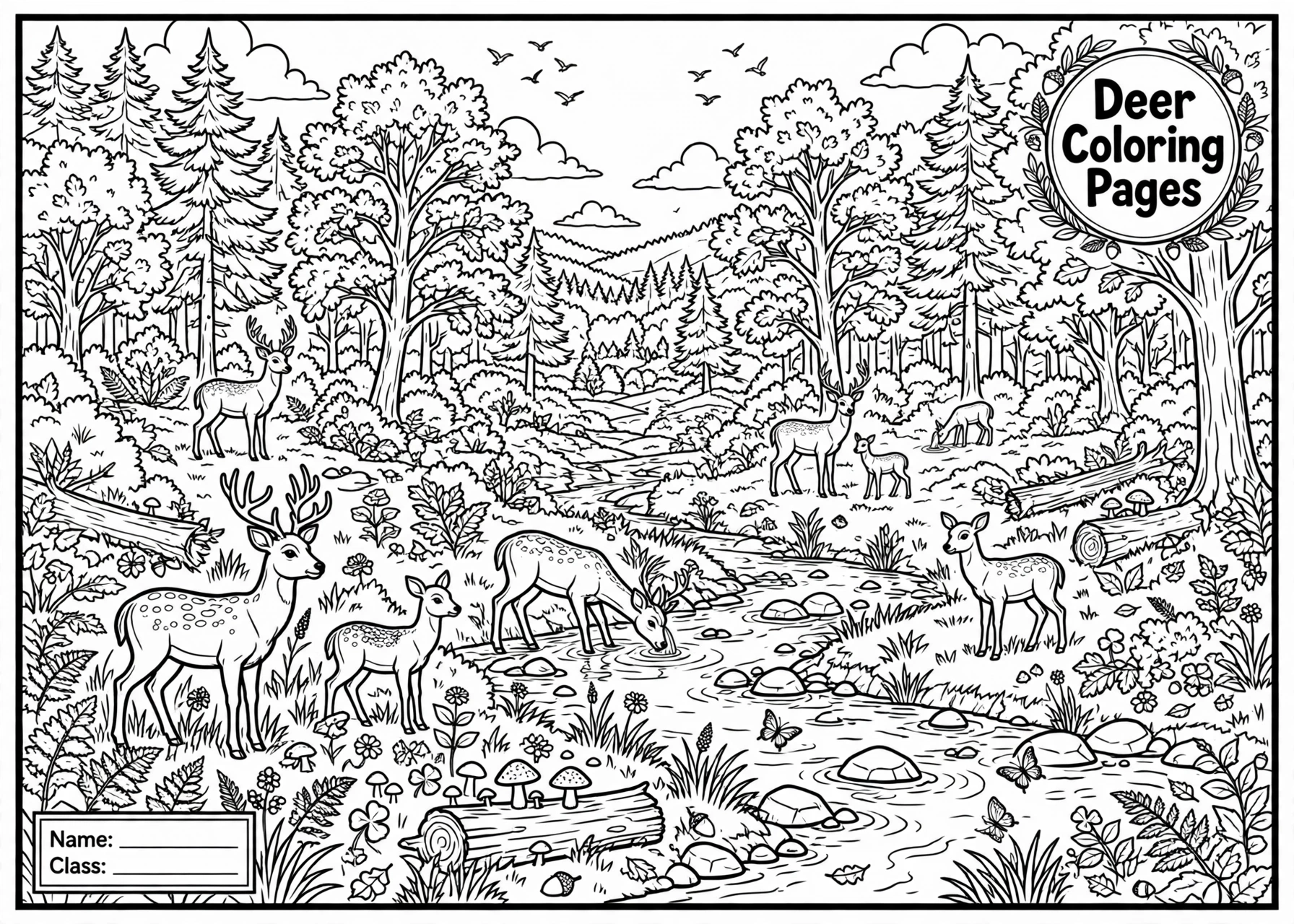
Explore More Animal-Themed Coloring Activities
Children who enjoy deer illustrations may also appreciate discovering other gentle and familiar animals. Baby rabbits, for example, have different visual characteristics that make them an appealing subject for another creative session. Their long ears, rounded bodies, and fluffy appearance offer plenty of opportunities to experiment with soft colors.
Families can explore these baby bunny illustrations when looking for another animal-themed activity. Moving between different subjects allows children to discover new shapes, patterns, and coloring possibilities without making every session feel the same.
Deer Coloring Pages provide a wonderful starting point for exploring woodland wildlife through art. Whether children prefer natural brown tones, colorful forest backgrounds, or imaginative designs, each finished picture can reflect their individual ideas. With a few coloring tools and some creative inspiration, a simple deer illustration can become an enjoyable part of a child’s collection of artistic activities.
